

Ultra-Processed Foods: What They Do to Your Gut and Brain

Verified By
KIMS-SUNSHINE
Specialist,
25 November, 2025
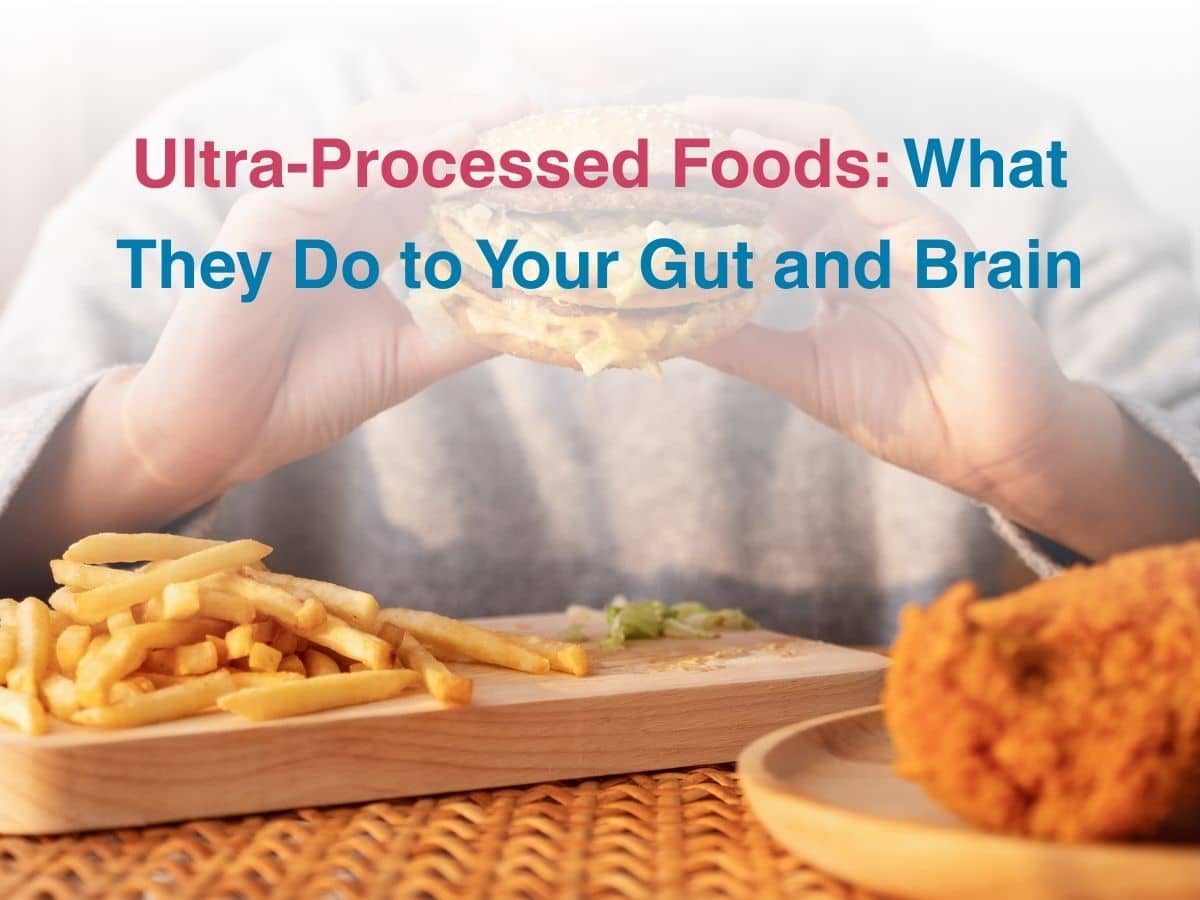
Food is the basic source of energy for our system. Our body functioning depends upon the type of food consumed and how it is processed. Healthy foods always yield positive results to our body by enhancing its functional abilities, while processed and ultra processed foods are more disadvantageous than usual. Ultra processed foods are a group of easily available fast foods that are completely synthesized from organic compounds, keeping a minimal amount of natural ingredients. They are easily available and quick to cook, hence convenient when you are pressed for time. National estimates show that 28.6% of the population is obese and 1 in 10 has diabetes mellitus etc. Even the percentage of child obesity has increased from 2.1% to 3.4% because of excessive consumption of ultra processed foods.
What Are Ultra Processed Foods And Their Effects?
UPF’s are a group of foods that are characterised by the extent and purpose of processing present in them. These foods contain sensory refiners that enhance texture, flavour and appearance. This dietary pattern is replete with harmful additives and uses cheaper alternatives to cut costs and maximise profits.
Gut Microbiome and UPF
UPF reduces microbial diversity in the gut by impacting digestion. These foods increase certain microbial populations which are not beneficial for us, while also increasing intestinal permeability. As UPF’s lack fibre, beneficial bacteria starve and begin to die. This disturbance in the gut microbiome can impact metabolism and mental health.
Mood, Brain Health and UPFs
The gut-brain axis is a direct neural pathway that processes and controls brain activity and vice versa. It is controlled by the vagus nerve, neuro-transmitters and hormones and by the components released by the gut bacteria. Frequent consumption of UPFs can alter the biology of these microbes, resulting in a negative impact on the brain and mood. It causes inflammation and oxidative stress that contributes to a higher risk of suffering from depression and other mood disorders. The high amount of refined carbs and sugars in UPFs can cause energy fluctuations and interfere with brain signals for satiety and reward mechanisms that give birth to cravings and distractibility. UPFs can distort the amygdala-hippocampal complex, disturb neurotransmitters like dopamine and serotonin mechanisms and can trigger addiction-like responses causing compulsive consumption.
Effects Of Sugar And Artificial Additives On The Brain
In a general context, sugar can cause chronic inflammation and insulin resistance, while artificial sweeteners can impair cognition like memory and word recall, causing cognitive decline. Long term consumption of sugary and UPFs can lead to poor memory, performance and increase the risk of dementia. High sugar and high glycaemic foods can have an adverse impact on the brain- especially with respect to areas that are connected to memory, learning and decision making. Artificial additives increase oxidative stress, inflammation and blood flow changes in the brain that lead to neurodegenerative diseases. Some additives interfere with behavioural patterns in children, making them hyperactive and irritable. Additives trick the brain into expecting calories that no longer deliver nutrition, leading to cravings.
Healthy Alternatives To Try
Calming a craving is difficult but with some naturally available whole foods like fresh fruits, vegetables, unsalted nuts, seeds, yogurt, roasted chickpeas are rich in proteins, which have high satiety value. Homemade dips like hummus provide flavour. Whole grain crackers , air popped popcorn, dark chocolate, homemade snack bites like mix oats, baked kale chips etc, mean that you can snack guilt free.
Conclusion
Mental health and diet are linked through the gut-brain axis. So, a diet rich in whole foods, vitamins, minerals and healthy fats supports mood and cognitive function. Healthy foods can diversify the gut microbiome that helps in releasing necessary enzymes and hormones to maintain balance and improve mood and brain functions. Ultra processed foods lack in most nutrients and are high in glycaemic index, leading to obesity, hormonal imbalances etc. Deficiency of B vitamins, vitamin D, omega-3 fatty acids and minerals like iron and zinc lead to mental health issues like depression. Preparing homemade meals with whole ingredients, replacing sugary drinks for water, planning meals in advance and reading food labels can help in controlling the consumption of ultra processed foods. Changes should be made in a gradual fashion, by replacing processed foods with whole natural foods. These changes in the lifestyle can lower the risk of chronic diseases in the long term.
Frequently Asked Questions
What qualifies as an ultra-processed food?
Are ultra-processed foods linked to depression or anxiety?
How do these foods cause inflammation in the body?
How much processed food is safe to eat?
Can the gut micro biome recover after cutting processed foods?