


Plant-Based Proteins for Diabetics: Best Choices for Blood Sugar Control and Heart Health

Verified By
KIMS-SUNSHINE
Specialist,
29 November, 2025
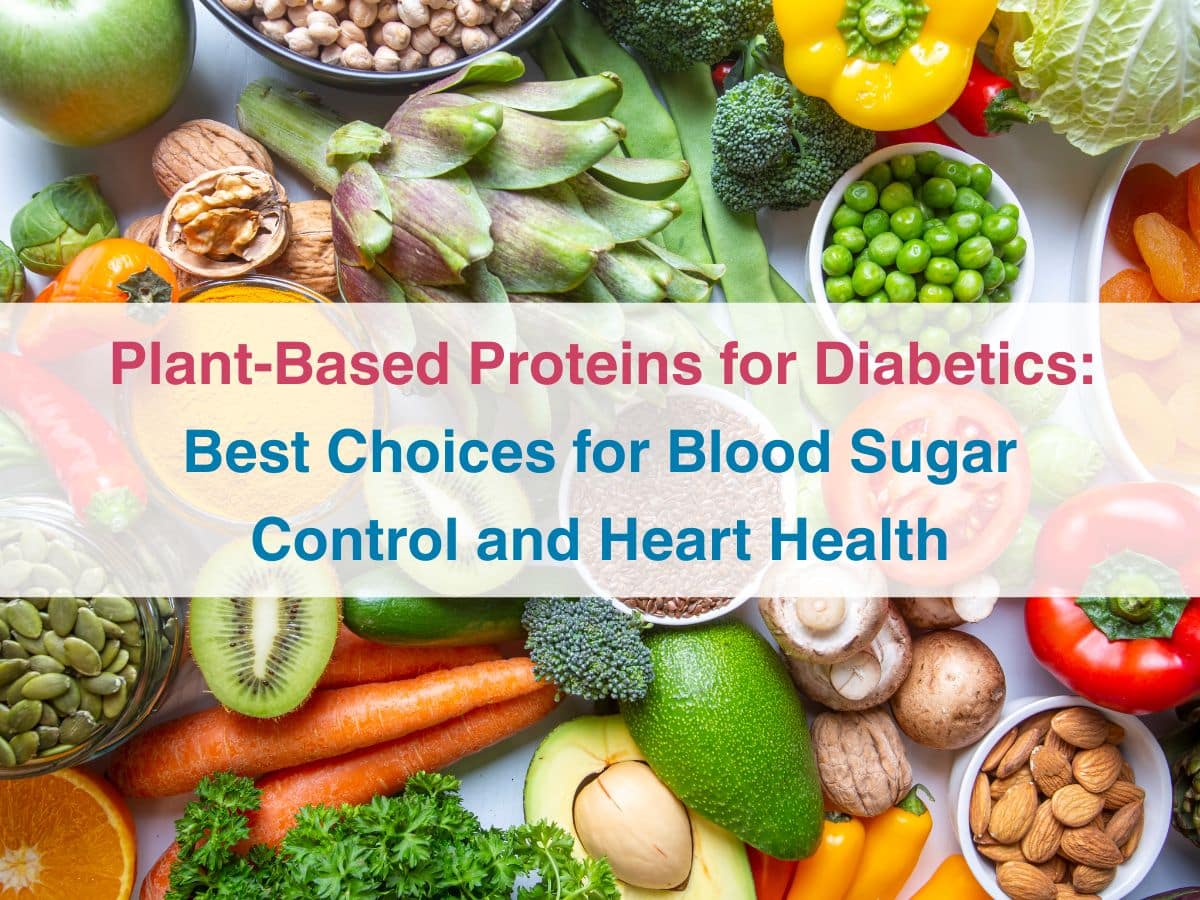
Plant proteins are the source of proteins that are derived from plants such as legumes, nuts, seeds, whole grains and vegetables. Plant proteins are basically rich in fibre, vitamins and minerals. A diet that is rich in plant based proteins is also associated with heart health benefits as they are low in saturated fat. Plant proteins are more sustainable and there are multiple options. Some plant proteins like quinoa or soy are considered complete while others require you to mix choices like legumes and whole grains, so that you get all the essential amino acids. Studies have shown that individuals consuming plant proteins are at a much lower risk of suffering from heart disease than individuals consuming animal protein. Animal meat mostly contains a lot of processing and saturated fat that is not present in plants and this absence becomes a boon to the health of the heart. Plant proteins are often heart friendly and rich in fibre, vitamins and antioxidants.
How Plant Protein Affects Blood Sugar
Plant protein can slow digestion and promote satiety that helps prevent unwanted sugar spikes. Plant based proteins are rich in fibres and low in saturated fats that help to control sugar levels, body weight and other cardio metabolic risks. India has a high number of individuals who are prediabetic or diabetic and plant based diets, that we are all mostly familiar with need to be emphasised here. Plant proteins in your diet can be beneficial due to their role in blood sugar management, insulin sensitivity and satiety. India has various plant based protein sources like lentils, chickpeas and millets that can be integrated into the diet, along with placing a focus on exercise and adequate portion control, to achieve sustainable results.
Protein And Insulin Response
Protein triggers insulin responses through a hormonal reaction to raise blood amino acid levels after a meal that in turn helps in lowering blood sugar levels. But, this response is protein specific. A short term high protein diet leads to reduced insulin resistance in overweight individuals and does not spike blood sugar, but a long term high protein diet can increase insulin resistance in healthy individuals. Short term consumption of a high protein diet is suggestive to everyone as it promotes insulin release, enhances glucose clearance and can increase insulin response subsequently. Long term consumption of protein is a better alternative for obese patients rather than healthy individuals and is very helpful for diabetic individuals only. Protein and insulin response is complex and dependent on an individual’s overall insulin sensitivity, as higher the sensitivity, greater is the decline of plasma glucose.
Heart Health And Plant-Based Nutrition
A plant based diet benefits the heart by lowering cholesterol, clearing the arteries, reducing blood pressure and improving blood vessel function. Such diets reduce inflammation due to the presence of antioxidants and promote healthy weight gain with fewer calories which is important for weight management.
High-Protein Vegetarian Meal Ideas
Protein is an essential nutrient that can help an individual feel full and energized. Some high protein common vegetarian meals include stuffed zucchini, lentil meatballs, mung bean soup, kale quinoa salad, lentil patties, tofu soup, spinach stew etc. Some Indian meal ideas like moong dal chillas, paneer bhurji, sprouted moong dal salad, besan chilla, soya chunks curry, rajma masala, chickpea curry etc. are other ideas that you should consider.
Conclusion
Plant proteins are a strong ally that can help individuals in this journey to battle diabetes; these nutrient-rich options are beneficial for overall health and play a pivotal role in stabilising blood sugar levels. Low glycaemic plant proteins like legumes which include beans, lentils and chickpeas and soy products like tofu, tempeh and edamame are some rich protein sources to be considered in diabetic cases. Choosing plant protein compared to animal protein does have certain benefits for heart health and diabetic health as it has beneficial fibre and antioxidants that help in reducing blood sugar and inflammation. Its lower saturated fat and cholesterol levels also directly support and promote heart health. Even though plant protein lacks all 9 essential amino acids that are in animal protein, by adding a variety of plant based protein sources, one can have a fulfilling and nutritively complete meal.
Frequently Asked Questions
How much protein do diabetics need daily?
Does switching to plant protein affect muscle mass?
Can a fully plant-based diet meet protein needs?
Which plant proteins have a low glycaemic index?
Can plant-based diets prevent type 2 diabetes?