


Timing Your Meals: How Intermittent Fasting Affects Blood Sugar and Insulin Resistance

Verified By
KIMS-SUNSHINE
Specialist,
30 November, 2025
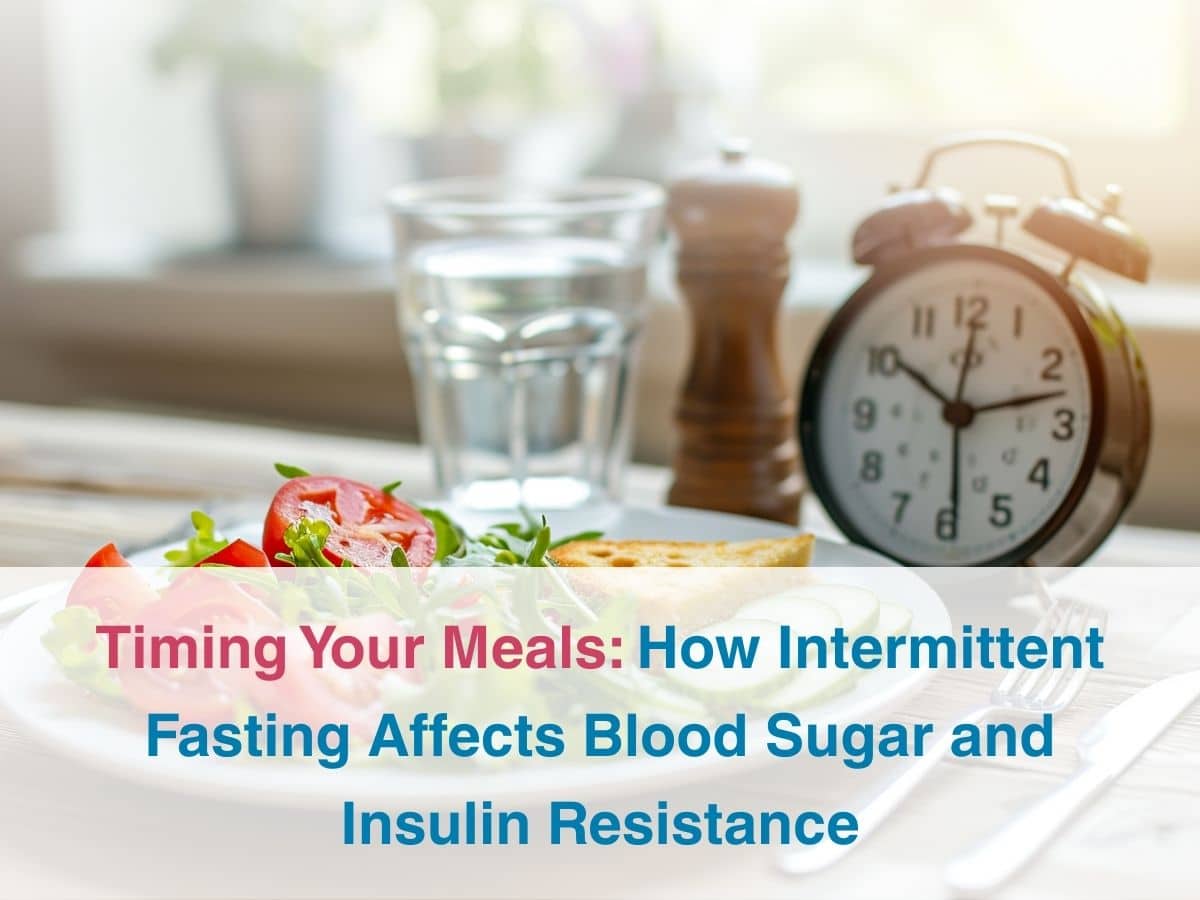
Lowering blood sugar levels through diet regulation is an excellent way to control insulin resistance and diabetes. Intermittent fasting is one such method that can help a diabetic individual lower their blood sugar levels by improving insulin sensitivity and promoting weight loss. The longer than usual fasting period allows the body to recover from a continuous increase in glucose levels and can help reduce the chances of glucose spikes from occurring. This control can also gradually help the individual reduce their need for medication. Intermittent fasting is a type of eating pattern where there are cycles of eating and voluntary fasting with intervals and is mostly focused on when you eat. Timing is very crucial for diabetic individuals, as affected individuals shouldn’t only concentrate on what they eat but should also consider “when to eat?” and plan their meals accordingly. Eating too little or beyond their normal limits can cause complications like sudden sugar drops or spikes.
Meal Timing For Diabetics
Scheduling your body to regulate its internal clock is very essential and training it to achieve this should be the goal for diabetics. Generally, food is converted into energy after consumption and used by the cells to perform specialised functions that can be of many different types. Consuming food at a regular time can help the body to remove dead cells and replace them with healthy ones. Irregular food habits can disturb this circadian rhythm and may lead to over exertion of weak cells or dying cells that can be harmful to the body and its functionality overall.
Regular meal consumption can decide the fate of our cell turnovers. Hormonal function, digestion, metabolism and other physiological activities are dependent on the health of our cells and their innate functionality. Stabilizing blood sugar levels for diabetics is important, hence eating at intervals of 4-5 hours, with the inclusion of well planned snacks during the day needs to be a key consideration. Eating a light dinner at least 3 hours before bedtime can help diabetic individuals improve their glucose metabolism and insulin sensitivity.
Time-Restricted Eating And Glucose Levels
Time restricted eating is a type of intermittent fasting that includes a restricted eating window for a specific time in a day, which means a person is allowed to eat only within a specific time window that aligns with their circadian rhythm. This type of eating helps in improving glucose levels, reduces fasting glucose, lowers HbA1C and also enhances insulin sensitivity. Fasting at certain intervals with proper precautionary measures can help a diabetic individual reverse insulin resistance by improving insulin sensitivity. It also has an effect on managing body weight and lowering blood glucose levels. Considering intermittent fasting methods like the 16:8 method combined with a low carbohydrate diet can balance glucose spikes in diabetic individuals and also help reduce the probability of developing diabetes, if someone is prediabetic.
The best advisable intermittent fasting schedule for diabetics is advised only after careful consideration of the individuals’ health. The two best known fasting methods like 16:8 (involves an 8-hour eating window and a 16-hour fast) or 5:2 (involves eating normally for five days and restricting calories on the other two) are suggested.
Benefits Of Fasting For Metabolism
Fasting has shown improved results in diabetic individuals by enhancing insulin sensitivity. It helps kickstart a process called fat adaptation, where fat is broken down and is used as energy. It also increases metabolic flexibility and adaptability – to switch between the use of glucose and fatty energy resources, can reduce inflammation and helps to increase human growth hormone, that breaks down fat, promotes weight loss, lowers blood glucose and LDL cholesterol levels and enhances cellular healing and recycling mechanisms respectively.
Conclusion
Type 2 diabetes is not a permanent or lifelong disease, but a chronic lifestyle disorder. A proper correction of lifestyle and dietary habits can help reverse this condition and can help affected individuals live a normal healthy life. Intermittent fasting has been popular in recent years for its effectiveness in weight loss. Researchers have claimed that individuals following the intermittent fasts have a lower risk of developing diabetes and heart disease. Late night eating has adverse effects on the body and insulin metabolism, as it can reduce insulin sensitivity and impair glucose metabolism due to a disturbed circadian rhythm. Irregular sleep schedules and meals can increase melatonin levels, lowering insulin levels, leading to sugar spikes. Fasting is beneficial for everyone, but diabetic individuals should consider a physicians’ opinion before starting a diet plan, monitor blood sugar levels regularly, stay hydrated and consider nutrient rich diets, if they want to live long, relatively healthy lives.
Frequently Asked Questions
Can fasting improve insulin sensitivity?
What’s the best fasting window for diabetics?
Is intermittent fasting safe for people on insulin or medication?
Does meal timing matter more than calorie count?
What should you eat when breaking a fast?