

Polycystic Kidney Disease (PKD): Early Signs and Genetic Links

Verified By
KIMS-SUNSHINE
Specialist,
04 December, 2025
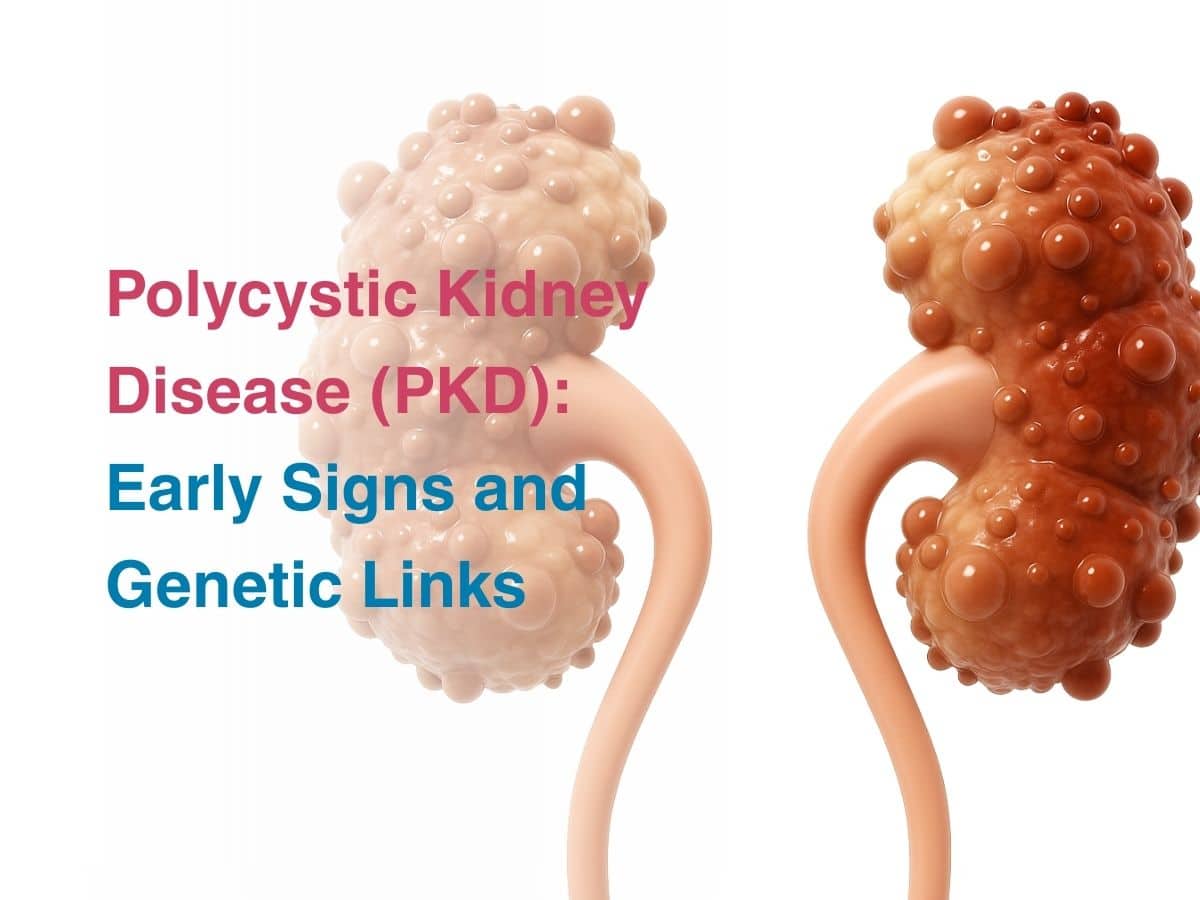
Polycystic Kidney Disease, shortened to PKD is a genetic condition that tends to affect about one person in every 1000 individuals in the Indian subcontinent and studies have shown that incidence mirrors that of global trends. The kidneys are highly essential organs that help keep us alive- as they work tirelessly to filter wastes and other toxic substances from blood. Each kidney has about a million of these filtration units called the glomeruli, which make up the nephrons. In PKD, fluid filled cysts form in the kidneys, which can cause them to enlarge in size and decrease in functional efficacy. This means affected kidneys don’t filter blood as well as before.
PKD Genetic Causes
Polycystic kidney disease is genetic in nature and can be of 2 types- autosomal dominant where a child inherits the mutate gene from one of their parents, who has the dominant, mutated gene. Autosomal recessive PKD is when both parents have to pass on the recessive or inactive genes to the child. When both copies of the gene are mutated, the child has PKD, and this is why recessive PKD is much rare than dominant PKD, as both parents need to be carriers or have the genes in the first place.
Babies born with recessive PKD begin to show symptoms almost immediately, while dominant PKD may or may not be diagnosed soon. It may eventually become symptomatic and may be diagnosed many years later.
Kidney Cysts Symptoms
The problem with most kidney related disorders is the fact that symptoms are subtle and easy to miss in the initial stages. Prominent symptoms are noticed only when damage has already occurred over a long time. Some symptoms that you should know of include
- High blood pressure and suffering from crippling headaches often.
- You may observe blood in urine
- Kidney stones
- Flank pain is present and prominent- this is when the back and sides of your body ache.
- Fluid retention
The symptoms may present differently, depending on how old an individual is. So, new borns with recessive PKD may be born with lower birth weight, have high BP at birth or have a swollen abdomen due to fluid retention or even breathing problems.
If PKD is diagnosed in children, then symptoms like UTIs, abdominal or low back pain and high BP are commonly observed.
PKD may be diagnosed in-utero too- and in such cases, doctors may notice larger kidney size or low amniotic fluid levels in the womb, while scanning.
Diagnosing PKD (Ultrasound, CT)
Diagnosing PKD can involve physical exams and various diagnostic tests and scans that are used- like a kidney ultrasound, a prenatal ultrasound to check the foetus for any kidney related issues, an MRI or a CT scan of the abdomen along with genetic testing, if PKD is suspected, respectively. Undiagnosed PKD can lead to kidney failure, which can mean more aggressive forms of therapy or treatment will be necessary to help you stay alive.
Treatment Options For PKD Patients
It is important to remember that PKD is a chronic condition that has no permanent cure. This means effective long term management becomes absolutely necessary. Treating underlying causes like high BP becomes vital, so as to protect the heart and the kidneys themselves. Kids and young babies may need ventilator support as they may not be able to breathe normally due to fluid retention in the lungs. Dialysis is a common method used to filter wastes from blood and there are 2 types- peritoneal and haemodialysis. Which one you choose depends on your needs and goals. Underweight infants will need supplementation with human growth hormone to get better.
If a person stops responding to dialysis, then getting a kidney transplant is the last resort. While looking for a donor, you may be able to take certain medications that can reduce pain and discomfort.
Conclusion
Untreated PKD can cause complications like heart and kidney failure, cysts in other organs in the abdomen like the liver and pancreas and preeclampsia if someone is pregnant, which is extremely dangerous for both the mother and her foetus. Stroke or brain aneurysms may also form and cause issues. If you have been diagnosed with PKD, eating a kidney friendly diet becomes paramount. This means you will need to regulate fluid intake, watch protein and sodium levels and eat whole foods more often.
Frequently Asked Questions
What is polycystic kidney disease (PKD)?
What are the early symptoms of PKD?
How does PKD affect kidney function?
Is there a cure for polycystic kidney disease?
How can diet and lifestyle help manage PKD?