
Chronic Venous Thromboembolism (VTE): Long-Term Risks After Blood Clots

Verified By
KIMS-SUNSHINE
Specialist,
19 December, 2025
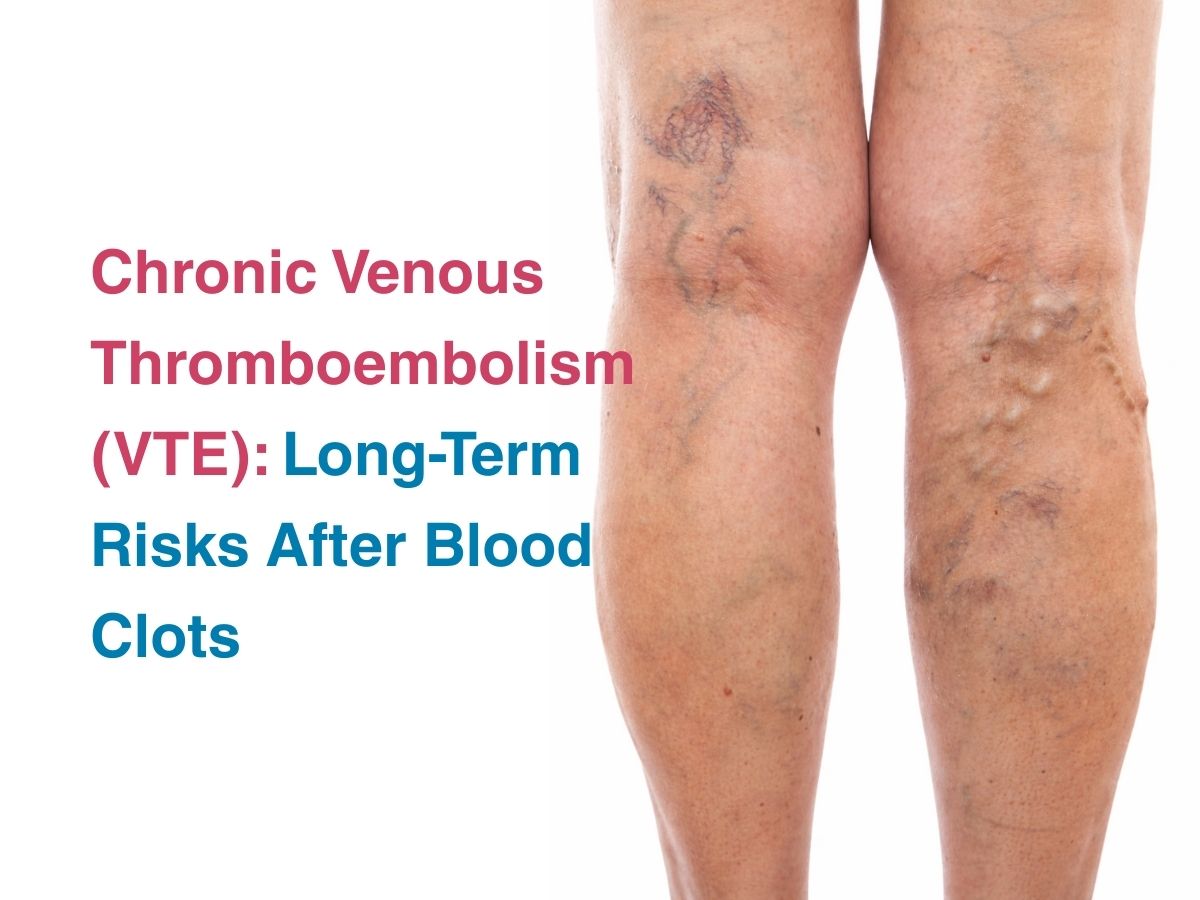
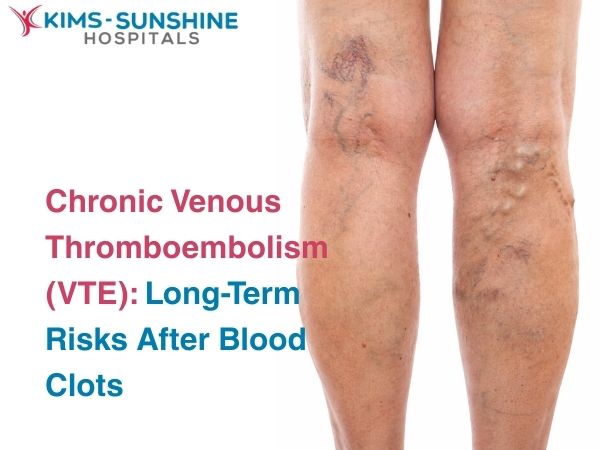
A venous thromboembolism literally means that you have a blood clot that is blocking blood flow in some of the largest or deepest veins in the body. The legs, or arms get commonly affected when such clots form while at times, pieces of the clot can break off and travel to the lungs and cause an embolism which can block blood flow and be fatal if not treated immediately. Untreated blood clots can cause post-thrombotic syndrome, which can be harder to deal with. In India, the incidence of chronic VTE cases is rising with every passing year, with some studies showing a prevalence of 17-22 cases in every 10,000 hospital admissions.
Deep Vein Thrombosis Complications
A VTE mainly occurs when a clot is formed to ensure there is no significant blood loss due to internal injury. The clot normally dissolves after its purpose has been served but when it does not, it can break off and block blood flow to other parts of the body. When the clot cuts off venous blood supply, it can affect the veins and cause blood to pool in the extremities of the body and not get sent back to the heart in an orderly fashion. A VTE is very dangerous when the clot travels towards the lungs- it can block blood flow there and increase blood pressure significantly. This can lead to pulmonary hypertension, heart failure and sudden death in extreme cases.
Normally, blood clots that occur more near the surface veins don’t cause issues in the majority of cases and most VTEs are caused by a DVT- a clot located in the deeper veins of the body. The main cause for such clots to form is when you have some kind of clotting disorder. Others include infections, the use of oestrogen for birth control, chronic conditions like heart disease or IBD and even advancing age, respectively.
Chronic Blood Clot Management
Effective management of this condition involves timely diagnosis and subsequent treatment. Most of the time, anticoagulants work wonders and can dissolve clots. They can be taken orally, The anticoagulation therapy duration depends on how large the clot is and if it can be a danger to you in the near future. Anticoagulants work by preventing blood from clotting or from previously existing clots getting any bigger.
Blood Clot Prevention Strategies
Blood clots normally form when someone is sedentary for long periods of time or if they travel long distances by flight very often. You should keep moving every hour or so to prevent blood from pooling. You may not be able to be as active if you have had surgery, so see how you can incorporate mild exercising into your daily routine to prevent formation of clots.
Conclusion
You can continue to take blood thinners for as long as your doctor says it is necessary and in many cases, it may be life long too. It is dangerous to stop taking medications, nor is too much good for you, as you may notice uncontrollable bleeding as a side effect. Keep checking your legs for any swelling or tenderness- as that can indicate a clot has formed recently. You should also not smoke, stay active, eat a heart healthy diet and drink plenty of water in the long term to manage this condition and prevent any unwanted complications from arising.
Frequently Asked Questions
What is chronic venous thromboembolism (VTE)?
Can VTE recur after treatment?
How long do blood clot symptoms last?
Do patients need long-term blood thinners?
What lifestyle changes prevent new clots?