
Joint Preservation Techniques in Young Patients to Delay Replacement Surgery

Verified By
KIMS-SUNSHINE
Specialist,
10 November, 2025
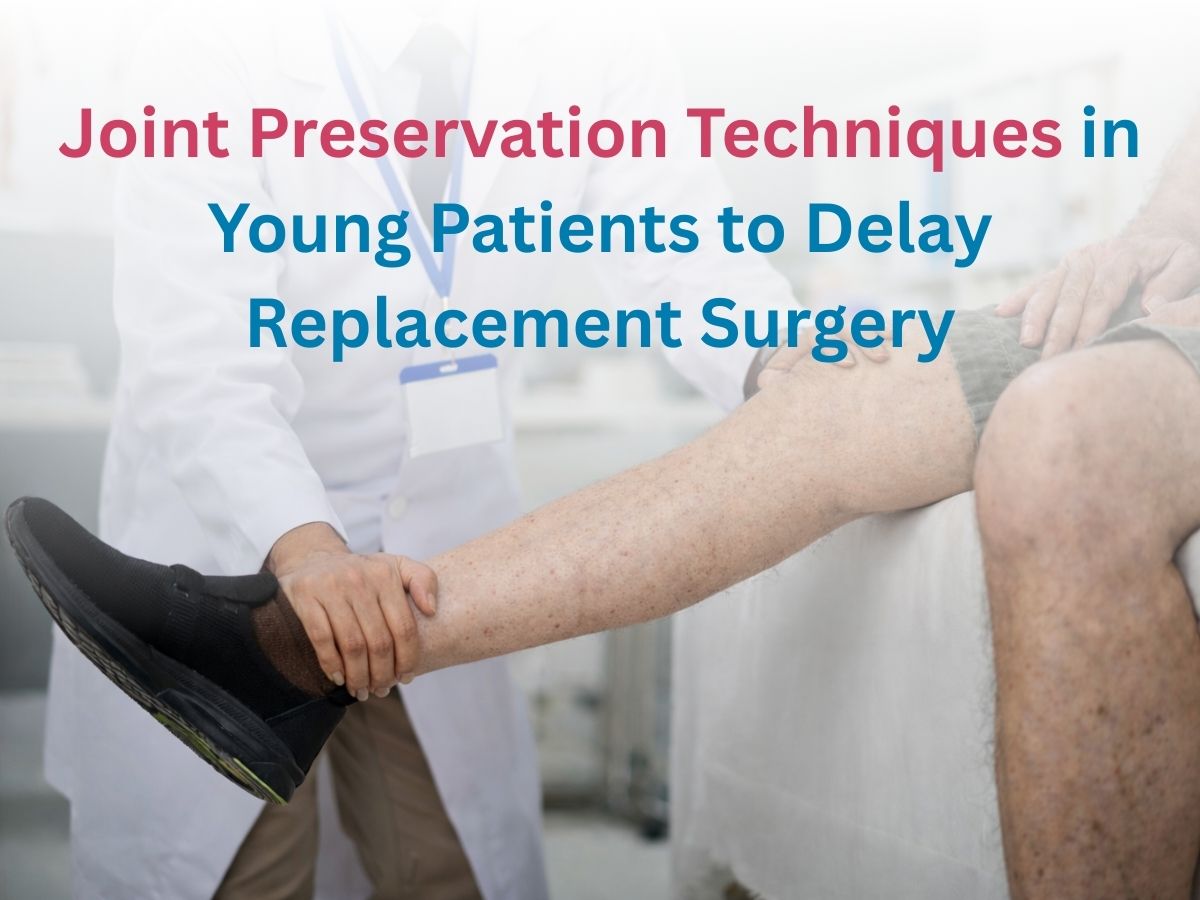
Joint preservation techniques are one of the most functional and practical procedures that can be used to protect damaged cartilage of the joints and to help affected individuals stay active for as long as possible. Young patients tend to heal better and faster and hence- taking care of their joints on a daily basis, instead of opting for more drastic measures like joint replacement can help in the long run. This correction procedure is widely available across the country as it is minimally invasive and increasingly important, as it tends to protect the native joint from undergoing complete replacement. In countries like India, these preservation techniques combine both non surgical and surgical approaches, which means treatments can be tailored to meet individual preferences.
What Is Joint Preservation And Why Is It Good For Young Patients?
Joint preservation techniques are strategic methods used to manage joint damage through various therapies, lifestyle adjustments, medications and minimally invasive techniques. These procedures aim to restore pain free functioning of the joint and to preserve its natural structure, as much as possible for young patients. It allows them to continue having an active lifestyle without damaging the joint and prevents unnecessary joint replacements that have limitations with post surgical complications. These procedures are super helpful if damage to a joint is rather minimal and can help the patient to bounce back in no time.
The Most Effective Joint Preservation Techniques Available Today:
Joint preservation techniques involve both non surgical and surgical approaches. These techniques can be intra-disciplinary or multidisciplinary in approach. Non surgical joint prevention techniques include weight management, physical therapies, exercises and activity modifications. If the complaints accompany unbearable pain, it’s followed with administration of medications like pain killers, cortisone and hyaluronic acid injections respectively. Ortho-biological techniques like platelet rich plasma (PRP) and bone marrow aspirate concentrate injections promote fast healing and better joint outcomes in the long term.
Osteotomy: A Help To Delay Knee Or Hip Replacement In Young Patients
Joint replacement surgeries, however flawless, can be limiting for a while, for young patients, who are active for the most part. Major weight bearing complex joints like hip and knees should be carefully assessed, before considering replacement. Techniques like osteotomy can help delay these major joint replacements. The affected bones are surgically cut and realigned to shift the weight from a damaged area to a healthy one. This procedure eases pain and preserves the natural joint for a longer time and is advantageous to young patients with early stage osteoarthritis or joint deformities like knock knees and bow legs.
PRP Or Stem Cells For Damaged Cartilage And Joint Preservation:
Damaged cartilage cannot be completely healed, but it can be managed with non surgical procedures to reduce pain and strain – like physical therapy, anti inflammatory medications, steroidal injections etc. New regenerative emerging techniques like PRP and stem cell therapies help young patients with joint damage to heal faster and reduce pain; Major damage of cartilages can commonly be corrected through surgical procedures.
Platelet rich plasma (PRP) techniques focus on injecting the patient’s own concentrated platelets that are collected from their own blood. This high concentration of platelets reduces inflammation, promotes healing and is very beneficial to young patients. Since the cells are from the affected person themselves, there is no need to worry about an immune reaction. The platelets themselves can better modulate immune response in the affected joint.
Stem cell therapies on the other hand, depend on the usage of mesenchymal stem cells which are injected into the patient. These cells transform into chondrocytes or cartilage cells helping in regeneration of damaged tissues. It has scope in helping patients with bone degenerative conditions, promising a better lifestyle.
Conclusion
With great advancements in science and research in the field of orthopaedic medicine, joint preservation techniques have helped prevent many individuals from undergoing unnecessary joint replacement surgeries. Many people believe that a chronically painful or damaged joint always ends up requiring replacement surgery, consequently fearing and avoiding orthopaedic visits which further complicates their complaints. Many individuals can expect to recover fully through non surgical joint preservation techniques, especially young adults whose body has a tendency to recover at a faster rate. Other biological and non-invasive surgical techniques help these affected young adults to hope for a better life ahead.
Frequently Asked Questions
How to prevent early joint replacements?
How meniscus repair and regeneration works through joint preservation techniques?
What are a few cartilage repair techniques?
How to delay arthritis progression in young patients?
What are some minimally invasive orthopaedic procedures?