

Idiopathic Intracranial Hypertension (IIH): Raised Brain Pressure Without a Tumour

Verified By
KIMS-SUNSHINE
Specialist,
20 January, 2026
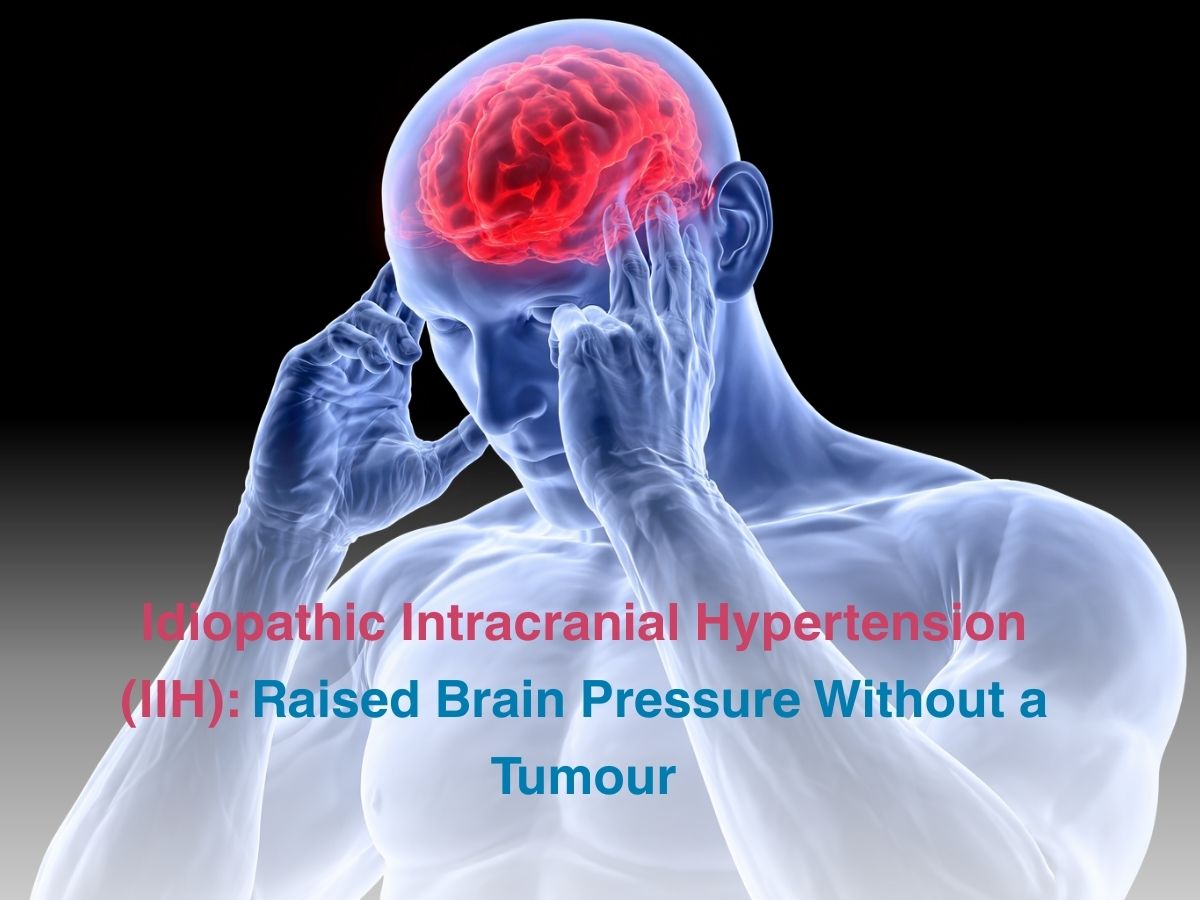
Most medical conditions have a reason for affecting an individual- it may be due to exposure to a particular chemical or pollutant, it may be due to mutated genes or may also be due to an underlying cause or it may be all three things at once. But, millions of cases every year don’t really have a concrete reason and that is when doctors label them as being idiopathic in nature. With this in mind, it is easier to understand what idiopathic intracranial hypertension is- it is a condition where there is too much pressure building up in the skull due to an unknown cause. Researchers have observed that people who are overweight or obese are more at risk of suffering from this condition and prevalence rates come up to around 1.6 per 100000 cases in the Indian subcontinent. Also, curiously, there is greater prevalence of IIH in young women aged between 20 and 45 years of age in India and it has not been attributed to a particular reason yet.
Increased Brain Pressure Symptoms
The brain is protected by the bony skull or cranium and bobs around in CSF- the cerebrospinal fluid. This clear fluid circulates in the skull and helps bring nutrients into and helps remove wastes from the brain. The spinal cord is also bathed in CSF and when this CSF is not able to circulate normally – it ends up building pressure in the skull. This affects the optic nerve the most and that is why there is a high chance of vision loss in these cases. Since most of these symptoms mimic those of a brain tumour, this condition was formerly known as pseudomotor cerebri (false brain tumour).
Other symptoms include- changes in vision – like double vision, peripheral vision is almost absent and there are prominent blind spots too, with bouts of temporary blindness in some instances, which resolve in some time, unless long term care and medication is used to manage it. Papilledema eye swelling is when there is visible swelling in the eyeball due to increased intracranial pressure due to CSF buildup. The ear also gets affected – persistent tinnitus is observed. Some people may also complain of headaches of varying intensity.
Diagnosis of IIH
Diagnosis of this condition uses imaging and certain tests, along with a detailed physical exam and medical history that is normally taken at admission. Some of these tests include
- A brain MRI or CT scan – to check for any structural irregularities.
- You will be asked to do an eye exam – and a visual field test to detect blindspots and if there is any change in how the optic nerve is working.
- A lumbar puncture is done – where CSF is removed with a sharp needle from the spine, under anaesthesia, to check for high CSF pressure. Removal of excess fluid can also help alleviate symptoms temporarily. But, this is only done when a CT/MRI has shown no tumours or issues in the brain and spinal cord.
Treatment and Management of IIH
Medications are used to help reduce pressure on the optic nerve and prevent blindness. So, you may be given a diuretic pill which can reduce pressure and fluid retention and relieve symptoms. Specific drugs like topiramate or acetazolamide can reduce CSF production itself. Pain killers can be used to deal with severe headaches. But, if your symptoms don’t improve with medication and weight loss measures, you may need surgery.
You may either get a shunt, stent or optic nerve sheath fenestration respectively
- A shunt is just a long thin tube that is placed, to divert CSF away from the brain.
- If drainage of CSF is hampered due to the venous sinuses getting smaller, a stent or net like sheath is placed, to ensure that the sinus or passage stays wide open for better drainage of CSF.
- You may get small incisions done along the optic nerve, so that CSF can drain better and there is less risk of damage to your vision.
Conclusion
Treatment of IIH needs to be done quickly, to help prevent blindness. Though doctors don’t know why this condition occurs, there are ways to manage its symptoms effectively- either with medications or surgery. If you notice any headaches or vision changes, please visit the best spine specialist in Hyderabad, only at KIMS Sunshine Hospital. So, call us today for a consultation!
Frequently Asked Questions
What is idiopathic intracranial hypertension?
What are the warning symptoms of IIH?
Can IIH cause permanent vision loss?
What role does lumbar puncture play?
Can weight loss improve IIH?