


Cauda Equina Syndrome: A Spine Emergency That Requires Immediate Surgery

Verified By
KIMS-SUNSHINE
Specialist,
18 January, 2026
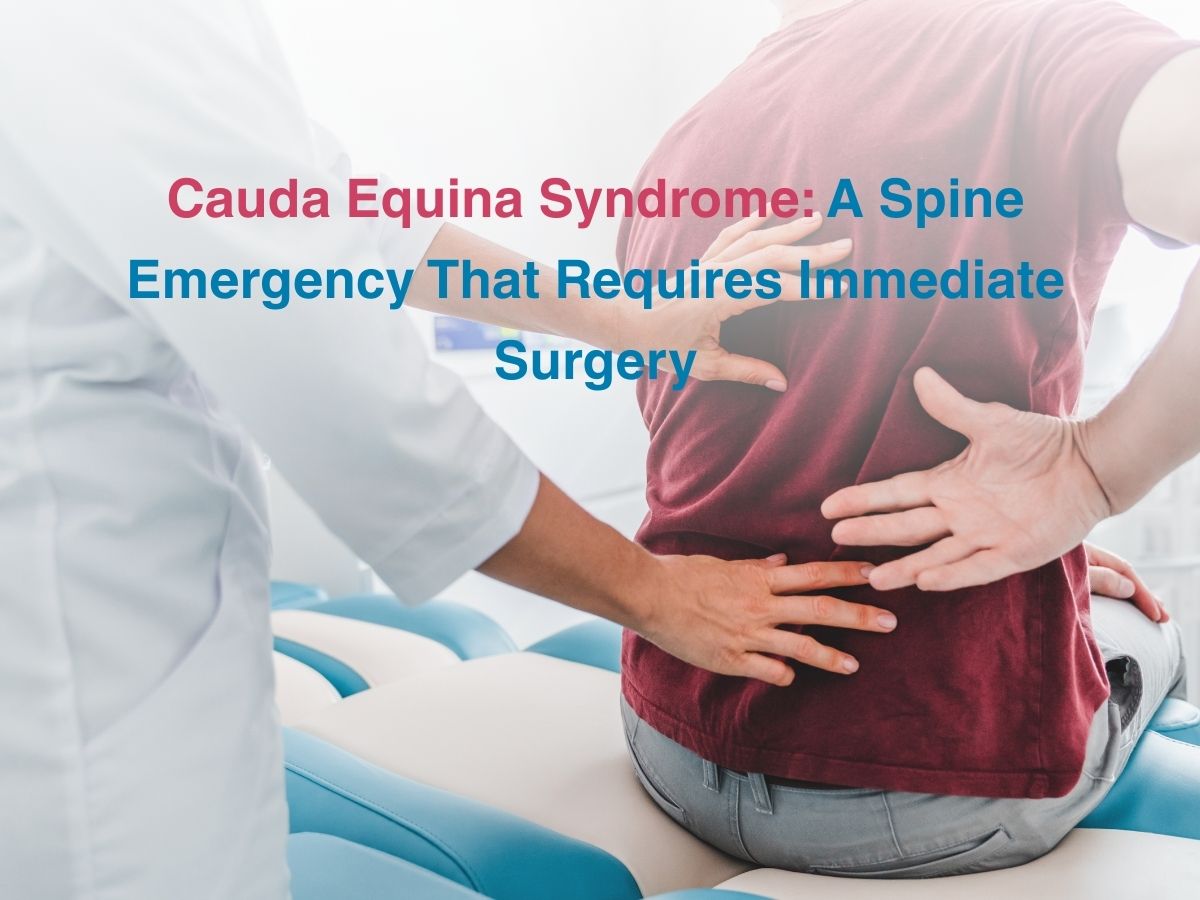
There are millions of nerves in the body that actively work to ensure that all parts of your body remain innervated and specific parts move as and when required, based on the commands sent by the brain. The cauda equina is a region at the bottom of the spine – where several nerve roots end and the structure is shaped like a horse’s tail. The main function of this nerve centre is to ensure you can move your legs freely and that the bladder and bowel continue to function normally. When the cauda equina nerves get compressed due to a some injury or specific cause, it can cause a variety of symptoms- most of which are painful and unpleasant to deal with. Cauda equina syndrome is a rare condition necessitating immediate emergency care to ensure that nerve function can be preserved as much as possible.
Causes and Symptoms of Cauda Equina Syndrome
The most common cause for cauda equina syndrome is nerve compression- and this can happen due to spinal stenosis or narrowing of spinal canal, a herniated disc which causes a severe nerve compression or if there is an infection or tumour affecting the spinal cord. Some other causes include
- Traumatic injury to the lower back
- Haemorrhage in the spine
- Nerves can get affected as a complication of getting spine surgery.
- If there is any kind of spinal epidural hematoma present.
The key to ensure that further nerve function is not lost is to ensure that you get emergency care right away. If there is a delay in receiving care, then it can cause bowel or bladder incontinence (where you won’t be able control your urge to pee or poop) or retention (where you cannot pee or poop as signals are not being sent to the brain). Some people also complain of loss of sexual function and paralysis in the legs, apart from bowel and bladder issues. Few individuals may lose all nerve function or retain some sensation, but their quality of life suffers, either way.
Spine emergency symptoms associated with cauda equina syndrome relate to severe lower back pain, urinary and bowel retention, incontinence, urinary retention and numbness or tingling sensations in the legs, hips or buttocks respectively. Most individuals manage to move or walk about, but that may also get affected.
Diagnosis of Cauda Equina Syndrome
A detailed physical exam and a neurological evaluation is done by an experienced spine specialist at KIMS Sunshine Hospital. You will be asked to walk, stand, sit, walk on the heels, toes, lift your legs, bend in different ways- to let the doctor know more about your strength, reflexes, coordination, balance, alignment and the ability to feel different sensations, along with range of motion of the various joints involved. Detailed imaging is done- like a CT scan, or an MRI Spine emergency scan or even a myelogram. Cauda equina syndrome may have a sudden onset and be acute and progress in a day or two, or it may be a chronic condition that develops over years and will continue to affect you for life. Chronic cases occur mainly due to the individual not seeking medical care quickly or the nerve damage may have already occurred, before treatment was given.
Treatment of Cauda Equina Syndrome
Emergency spinal surgery is recommended as prolonged nerve compression can be fatal too. In such cases, the emergency surgeon will try to relieve compression by removing or moving whatever is causing it. It is called a lumbar laminectomy in medical terms. Once the procedure is done, you will be asked to take certain medications which can help in improving bowel and bladder control and reduce incontinence and retention related issues. You will wear a catheter to empty your bladder and you will also be asked to go in for rehabilitation- with a focus on physical therapy first- so you begin to heal and feel properly.
Conclusion
Recovery after cauda equina surgery is gradual and will take time. It is also crucial to remember that everyone heals at their own time and there is no use trying to force the process to go quicker. For many individuals, it can take months or even years to walk or even go through their normal routine and even longer for bowel and bladder control to get reestablished. You will need to stay in touch with an experienced therapist, neurologist, neurosurgeon throughout and if you have been looking for the best spine surgeon in Hyderabad, look no further than KIMS Sunshine Hospital. It is important to take care of your mental health too, at this pressing time.
Frequently Asked Questions
What is cauda equina syndrome?
What causes cauda equina syndrome?
Why is emergency surgery required?
What is recovery like after surgery?
Can nerve damage be permanent if delayed?