

Hypothyroidism: Early Signs and Long-Term Health Impact

Verified By
KIMS-SUNSHINE
Specialist,
02 February, 2026
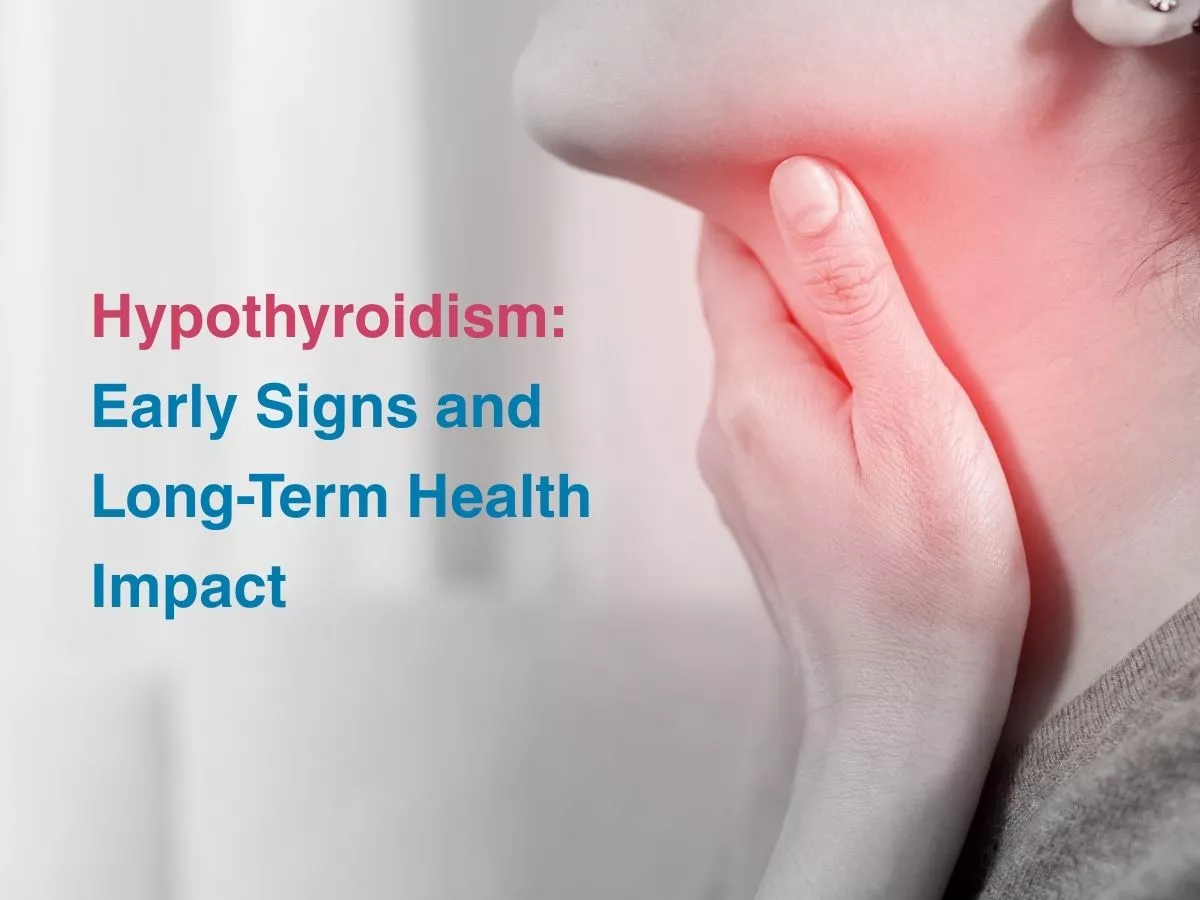
The thyroid is a butterfly shaped gland situated near the front of the neck and is responsible for producing multiple hormones and proteins that help regulate body temperature, metabolism and other important functions. When the thyroid gland is not as responsive and makes less hormones than usual, hypothyroidism occurs- which can cause a variety of symptoms. Hypothyroidism as a condition is highly prevalent in the Indian subcontinent- and it affects all age groups- children and adults- including pregnant women. There are 4 different types of hypothyroidism- primary, secondary, tertiary and subclinical hypothyroidism respectively.
Underactive Thyroid Signs
Let us look at the subtle signs and symptoms that show up if you have hypothyroidism, in greater detail-
- Weight gain is observed- as metabolism slows down due to hypothyroidism.
- People have changes in their mood. They may feel more depressed or anxious than before.
- Skin and hair texture is different- it is drier and there is more hair loss than before.
- Feeling very tired all day.
- Women and hypothyroidism- the menstrual cycle gets affected and periods can either come early or you may bleed very heavily.
- You may feel cold all the time.
- Neuropathy- tingling or numbness is observed in the extremities.
- Muscle weakness is pronounced.
- Constipation is common.
- Slow heart rate is observed.
- Some people report changes to their voice- they sound more hoarse than before.
- In pregnant women, it can affect pregnancy and cause miscarriages or birth defects.
Diagnosis of Hypothyroidism
The diagnosis of hypothyroidism involves a physical examination of the neck, simple blood tests and checking for hormone levels or imaging. Imaging is done using ultrasound or CT scans. A thyroid uptake scan may be recommended in rare cases. A TSH test diagnosis is definitive- as low blood levels indicate that enough TSH or T4 are not being made. This may be due to autoimmune disease, radiation therapy because of cancer or congenital defects. Iodine deficiency is also a well known cause. The thyroid gland can get inflamed due to an infection that is not taken care of or after pregnancy.
Long-Term Thyroid Complications
If hypothyroidism is not diagnosed and treated in a timely fashion, it can lead to complications like goiter, affect the heart, cause infertility and peripheral neuropathy, respectively. In pregnant women, miscarriages or birth defects are commonly observed, if treatment is not provided immediately. In very severe cases, multi-organ failure has also been reported.
Conclusion
Hypothyroidism is very treatable with levothyroxine- which needs to be taken for the rest of an individual’s life, if hypothyroidism is diagnosed in adulthood. Diagnosis is also pretty straight forward- as a thyroid function test can help you check T3, T4 and TSH amounts in blood. Taking a synthetic hormone replacement pill is easy and convenient for most people and can help them manage their symptoms effectively. Hypothyroidism is a chronic condition- which means you will need to continue to take medications for life. You should pay special attention if you are pregnant- as you may have to deal with pregnancy complications like gestational hypertension or postpartum haemorrhaging. Talking to an experienced endocrinologist or best gynaecologist in Hyderabad at KIMS Sunshine Hospital and opting for a full body check up can help you keep track of your overall health. So, start taking better care of yourself, today!
Frequently Asked Questions
What are the early signs of an underactive thyroid?
How is hypothyroidism diagnosed?
Is hypothyroidism a lifelong condition?
Can hypothyroidism affect pregnancy?
How often should thyroid levels be monitored?