
Varicose Veins: Why They Occur and When Treatment Is Needed

Verified By
KIMS-SUNSHINE
Specialist,
05 February, 2026
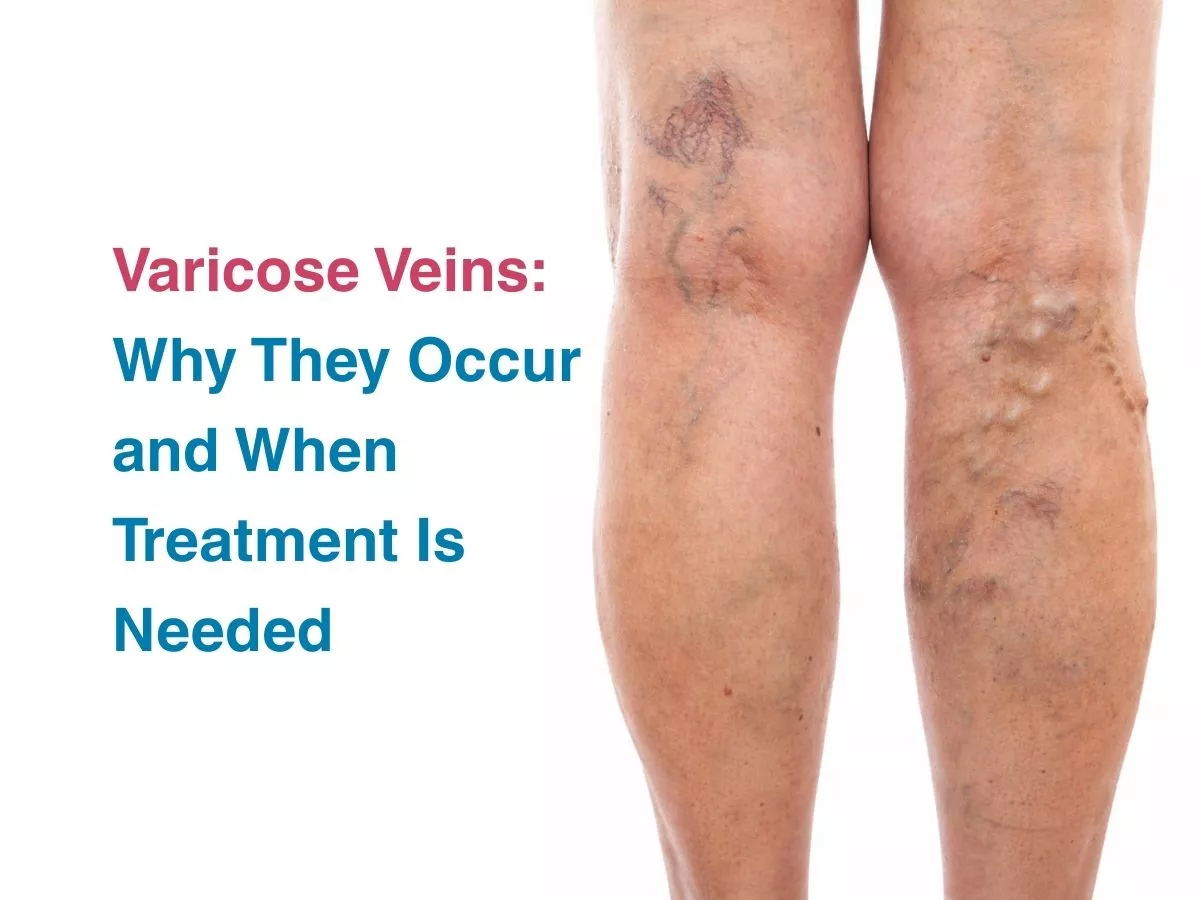
The human body has different types of blood vessels- arteries which carry oxygenated blood away from the heart, bluish or purplish coloured veins which carry deoxygenated blood back to the lungs and heart and capillaries. The veins have valves in them- designed to ensure that blood keeps flowing only in one direction and does not flow backwards. When you have varicose veins, these valves malfunction, leading to venous insufficiency. Varicose veins don’t really bother most individuals, but if you are worried about bulging bluish or purplish veins especially in your legs or elsewhere in the body, you should consult experienced vascular surgeons at the best hospital in Hyderabad.
Varicose Veins Causes
Varicose veins are normally caused when the walls of the veins don’t function as well- this means with pressure changes, blood flow becomes sluggish. Valves also don’t work normally, allowing backflow of blood. Some well known causes of varicose veins include-
- If you stand for long hours at work or at home.
- Hormonal flux – also why more menopausal women suffer from this condition, when compared to men in the same age group.
- If you are overweight
- If you have a medical history- as in someone in your family suffers from this condition.
- If you have a sedentary lifestyle and if you smoke or consume tobacco in different forms.
Venous Insufficiency Symptoms
Now, let us look at the symptoms of varicose veins as a chronic condition
- Your veins look bulged or rope like and they may be purplish or bluish in colour. Spider veins which are very thin red or blue lines may appear in their vicinity.
- You may notice intense itching around the area that has such veins.
- You may have painful, sore feeling legs.
- Your legs may feel really heavy or hard to move in, after a bout of exercise or any intense physical activity.
- Your skin may look discoloured and the leg in general feels swollen too.
Spider Veins vs. Varicose Veins
Spider veins are much smaller red, blue or purple coloured blood vessels which form spider web like patterns, which is why they are named like that. Though they are caused by the same factors as varicose veins, they are much more benign and don’t really affect anyone- unless you care about how they look, in which case you can seek treatment.
Diagnosis of Varicose Veins
A physical examination is more than sufficient, to diagnose this condition. If detailed imaging is needed, then an ultrasound is performed – to show how the valves in the veins are working and to check for the presence of blood clots nearby.
Treatment for Varicose Veins
Treatments are mostly simple and can be done at home- the best way is to find ways to reduce pressure on the legs- so keep them raised and use compression stockings to improve blood flow.
Other minimally invasive vein treatment options include-
- Sclerotherapy – where a solution is injected into the affected veins. The veins then begin to die and fade away after turning into scar tissue.
- Laser therapy- A catheter is inserted into the affected vein and then laser pulses are used to close it up.
- Ambulatory phlebectomy and vein stripping are two other options. Here, they tie the affected vein off and then may remove the vein or strip it, so that varicose veins cannot appear again in the future.
Conclusion
These treatments are easy and highly accessible but they may lead to side effects like numbness, pain or scarring among others. Surgery always includes a risk of infection, so please be very careful during recovery. It is important to remember that making changes to your daily routine can help prevent the formation of new varicose veins after getting treatment. So, eat nutritious food, exercise regularly and ensure not to stand for too long in one spot in the long term. If you would like to talk to a specialist, call us for a consultation at KIMS Sunshine Hospital today!
Frequently Asked Questions
Why do varicose veins develop?
Who is at higher risk of varicose veins?
What are the treatment options for varicose veins?
Do compression stockings really help?
Are laser treatments effective for varicose veins?