


Pleurisy: When Inflammation of the Lung Lining Causes Sharp Chest Pain

Verified By
KIMS-SUNSHINE
Specialist,
24 February, 2026
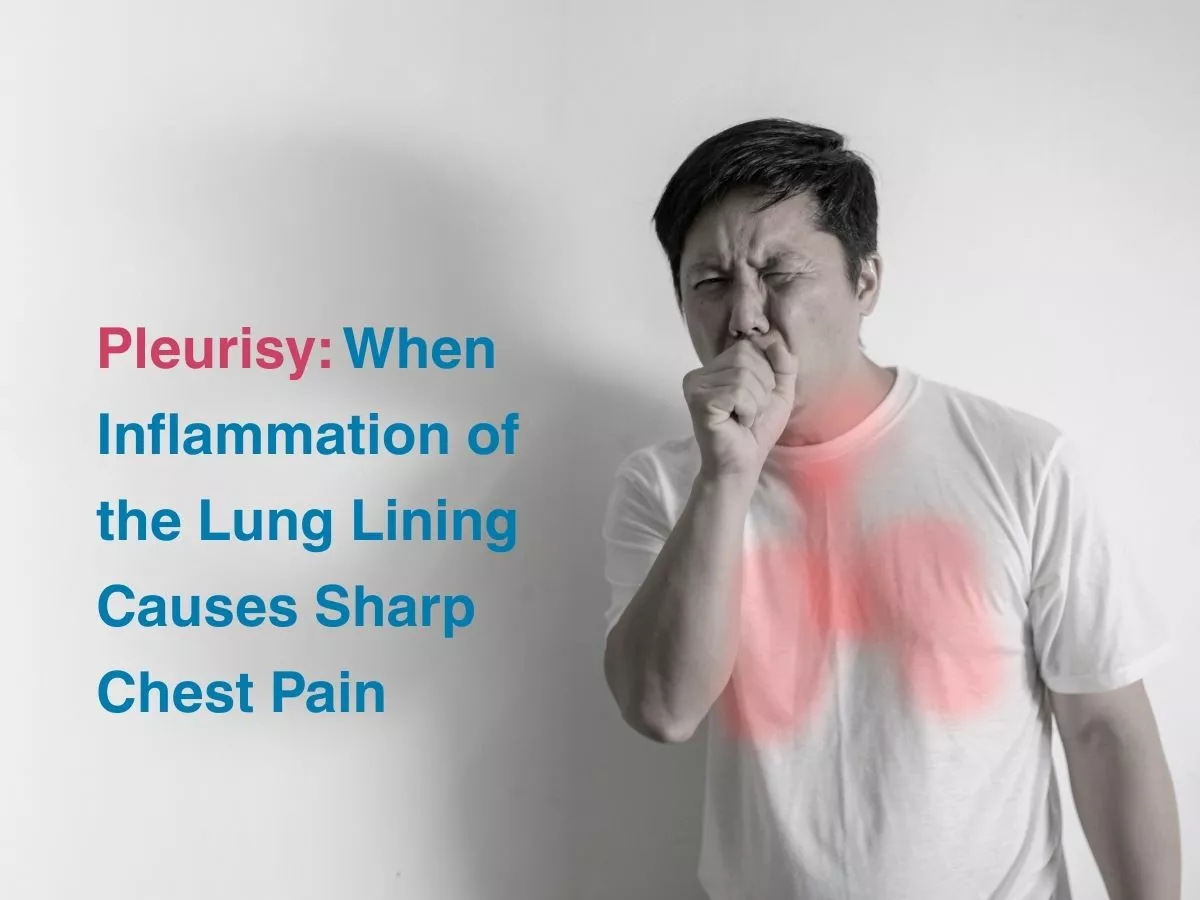
The pleura are cells which line the lungs, in the form of a membrane. When this pleural membrane gets inflamed, it can cause a variety of symptoms, as it rubs against the chest membranes around it. This is called pleuritis or pleurisy. The outer lung pleura and the inner chest pleural membranes are separated by a small space, which has fluid circulating within, to allow easy contraction and expansion of the lungs while breathing. If you face chest pain on deep breathing, or other related symptoms, come to KIMS Sunshine – the best hospital for lungs treatment in Hyderabad.
Inflamed Pleura Causes
The most common cause is a viral infection. But, other causes include autoimmune disorders, chest surgery, trauma to the chest, a pulmonary embolism, sickle cell disease, IBD etc. You can also suffer from pleurisy if you take certain medications like isoniazid, procainamide or hydralazine, as they can cause autoimmune – disorder like reactions.
Pleurisy Symptoms
Some of the most common symptoms include
- Sharp chest pain while breathing- which has a stabbing sensation. Pain is worse if you cough, take deep breaths or sneeze.
- You may cough if you are not able to breathe normally.
- You may feel really tired.
- You may feel short of breath often due to pleural effusion, where fluid accumulates around the lungs.
- You could have a fever, if there is an infection or something similar.
Diagnosis Of Pleurisy
Diagnostic tests include the use of imaging, blood tests and doing a fluid biopsy.
- Blood tests can help identify infections, as white blood cell numbers may be high.
- An ECG or EKG may be done to make sure that the heart is not causing chest pain, but it is the lungs instead.
- X-rays, CT scans or ultrasound scans can help doctors image the pleural membranes better.
- The fluid around the lungs can be taken out with a needle and checked by a pathologist, by a process called thoracocentesis.
- A thoracoscopy is where a tube with a camera is inserted into the chest cavity, after a small incision is made, to image for pleural effusions, tumours etc. The person is made to lie on their side, anesthesia is given and then the incision is made on the side of the chest, for the scope to enter.
Treatment For Pleuritic Pain
These are some treatment options used-
- If an infection is causing your symptoms, then antibiotics or antifungal medications are prescribed.
- If you have severe pain, NSAIDs or other painkillers may be recommended.
- Draining the fluid around your lungs can help you breathe easier and relieve pressure.
No medication is offered when it is a viral infection causing pleuritis, as it will resolve on its own in a few days time. Complications of not treating pleurisy include pus formation or fluid accumulation around the lungs and your lungs may collapse partially, in some cases.
Conclusion
If you have severe chest pain when taking a deep breath or don’t know why your chest is paining in the first place, you should talk to a specialist immediately at the nearest hospital. Pleurisy is caused when the pleural membranes around the lungs get inflamed. Your symptoms will get better if you get treated soon. So, call us at KIMS Sunshine Hospital, if you have been searching for the best ‘pulmonology hospital near me’ online.
Frequently Asked Questions
What is pleurisy?
What are the common causes of pleurisy?
What symptoms require urgent evaluation?
Can pleurisy lead to pleural effusion?
How long does pleurisy take to heal?