

Dilated Cardiomyopathy: Why the Heart Becomes Enlarged and Weak

Verified By
KIMS-SUNSHINE
Specialist,
02 March, 2026
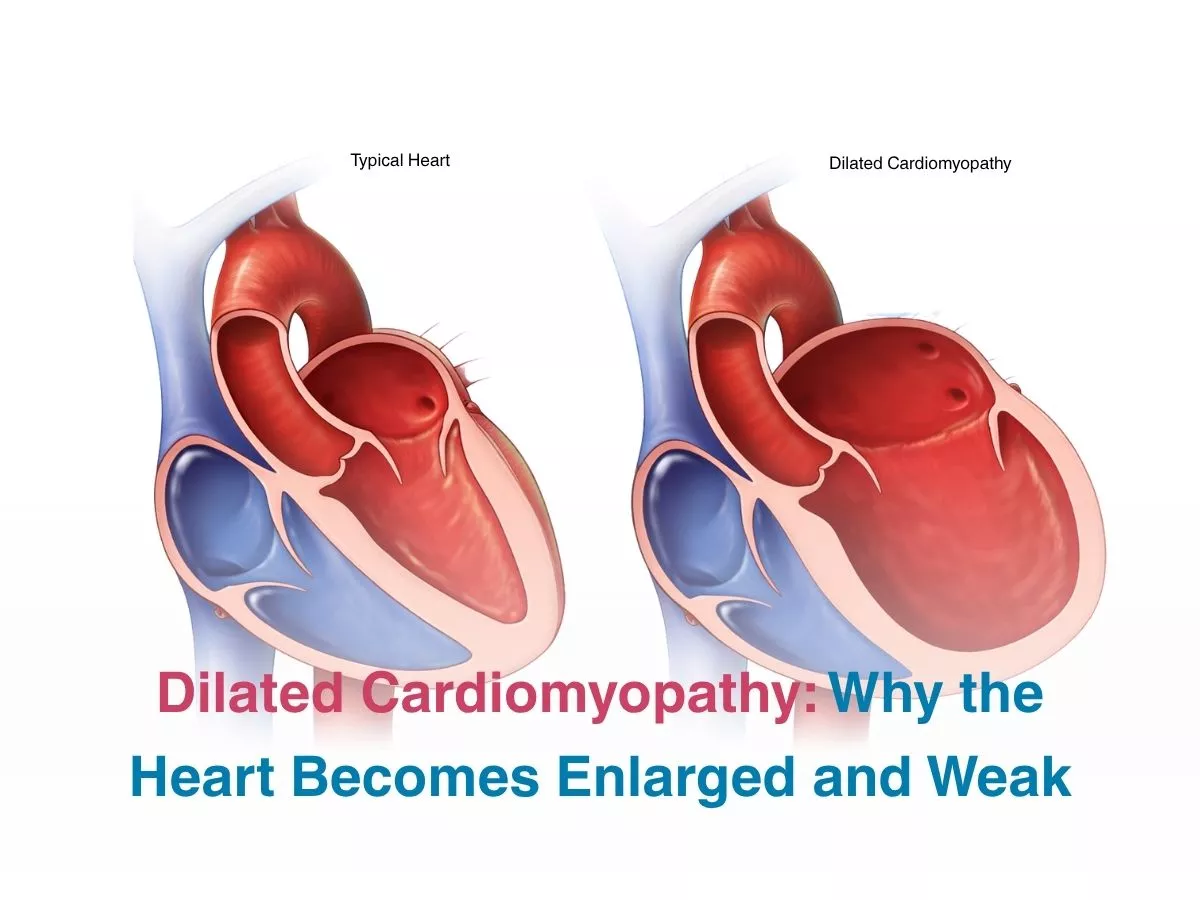
The heart has cardiac muscles which keep pumping blood to all parts of the body, for life. When there is some issue with how the heart works, the muscles may begin to overcompensate- they grow bigger in size, leading to dilated cardiomyopathy. Different chambers of the heart can get affected and it is one of the primary reasons for heart failure in young adults. You will require specialised treatment for this condition, so walk into KIMS Sunshine Hospital today- as we are the best cardiology hospital in Hyderabad.
Dilated Cardiomyopathy Causes
The exact reason for why dilated cardiomyopathy affects only some individuals is not known. But, research has shown that having some conditions like the following can place you at a higher risk of developing dilated cardiomyopathy
- If you drink alcohol often
- If you have heart arrhythmias
- If you have used cardiotoxic chemotherapeutic drugs before for cancer.
- If you have any congenital heart condition
- If you have conditions that affect the heart valves, high blood pressure
- If you have genes for developing familial cardiomyopathy- like TTN, LMNA, MYH7 or TNNT2, among others.
- If you have thyroid issues.
- If you have infections like myocarditis
- If you have had viral infections like hepatitis before.
Enlarged Heart Symptoms
Common symptoms include
- Chest pain
- Heart murmur
- Feeling congested and coughing often to clear the lungs
- Feeling lightheaded or faint
- You may feel unusually tired all the time.
- Palpitations are common.
- Shortness of breath is a classic symptom.
- You may notice oedema- as fluid builds up in the extremities, leading to weight gain.
Diagnosis of Dilated Cardiomyopathy
A detailed medical history is taken, followed by specialised diagnostic tests- like blood tests, imaging etc.
Some tests include
- ECG– Echocardiography for checking how the heart is pumping or working in general and to check for heart muscle weakness.
- Angiogram– This can help doctors understand how blood is flowing in vessels from and to the heart. It can hence check for any narrowing or blocks in arteries.
- Blood tests can check for specific proteins which indicate heart damage- troponin.
- EKG or electrocardiogram is done to check for abnormal heart rhythms.
- Exercise stress test – Done to check how your heart works when it is under any stress- like when you cycle, walk or run on a stationary bike or a treadmill for example.
- Cardiac MRI – may be done to check for the size of ventricles and function of chambers. Reduced ejection fraction or amount of blood being pumped out of the left ventricle is a classic indicator of cardiomyopathy.
Treatment For Dilated Cardiomyopathy
Medications are first used to help you cope with symptoms. Some drugs include-
- ACE inhibitors
- Aldosterone antagonists
- Anti-arrhythmics to help treat arrhythmia
- Blood thinners help with better blood flow and reduce the risk of clot formation in people with atrial fibrillation.
- Using diuretics to help with fluid retention.
- Beta-blockers and angiotensin receptor/neprilysin inhibitors.
Making lifestyle changes is necessary, so that you can protect yourself from unnecessary stress. This means you should eat heart healthy foods, get enough exercise and focus on aerobics or gentle exercises.
A rehabilitation program is an absolute necessity after heart surgery. Some surgical procedures which may be used include-
- Biventricular pacemaker to help the heart beat more regularly.
- An ICD or implantable cardiac defibrillator sends a shock to the heart whenever it is not beating in rhythm. It can be thought of as a sentinel that prevents major complications.
- Heart valve surgery to improve valve function and prevent backflow of blood.
- Left ventricular assist device (LVAD) to help heart muscles beat better.
- A heart transplant is the last resort for when no treatments work at all.
Conclusion
Living with dilated cardiomyopathy can be daunting, but with the right routine and proper medical advice, you can live for long. Since there is no cure for the symptoms, you will need to learn to manage them effectively in the long term. There is always a danger of you developing kidney failure or other systemic issues as the correct working of the heart is crucial for all bodily functions to occur in an orderly fashion. So, if you have symptoms which are getting hard to manage, talk to a specialist at KIMS Sunshine Hospital, as we have the best cardiologists in the city. Call us today!
Frequently Asked Questions
What is dilated cardiomyopathy?
What are the symptoms of DCM?
Is dilated cardiomyopathy genetic?
When is an ICD or pacemaker needed?
Can lifestyle changes improve outcomes?