
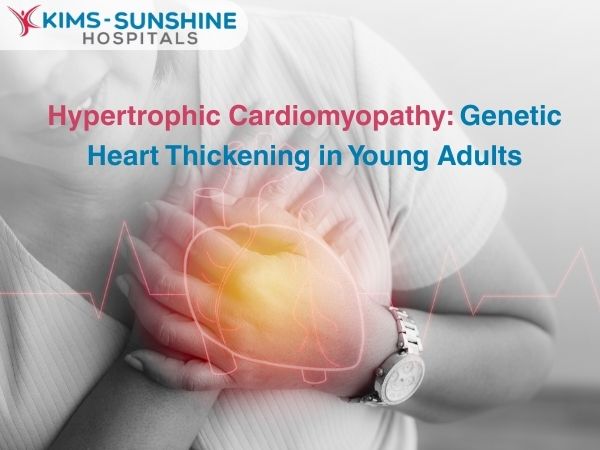
Hypertrophic Cardiomyopathy: Genetic Heart Thickening in Young Adults

Verified By
KIMS-SUNSHINE
Specialist,
17 January, 2026
The heart as we all know has four different chambers which have specialised cardiac muscles in them that are used to pump blood systematically all over the body. If a person has heart disease, then there is a greater probability of suffering from issues that affect the valves, chambers of the heart, the electrical centre or the muscles themselves. When these cardiac muscles get strained and begin to work too much due to some underlying medical condition, it can lead to hypertrophy- a phenomenon where the muscle cells in the heart get enlarged- in turn making the whole band of muscles thicker than usual. This can interfere with the normal functioning of the heart in the long term and cause complications if not addressed in some cases. But, such hypertrophy is benign in the majority of individuals, so regular monitoring should help ascertain the necessity for targeted treatment.
Hypertrophic Cardiomyopathy
Hypertrophic Cardiomyopathy, shortened to HCM is a genetic condition where the muscular walls of the heart get enlarged- which means there is less space for blood to move freely and get pumped from one chamber to the next. It is a chronic condition that in most cases does not cause overt symptoms, but in recent years has become the cause for sudden cardiac death in young adults all over the world. The hypertrophy of the muscles alone is no too problematic, but other issues that crop up together may precipitate heart disease. There are 2 main types of HCM- obstructive and non-obstructive HCM respectively.
Obstructive HCM is caused when the wall dividing the heart into the chambers- the septum gets thickened and reduces the free passage of blood from the left ventricle to the aorta. The volume of blood pumped is hence lower than normal.
Non-obstructive HCM is when the septum remains unaffected, but the other parts of the heart get hypertrophied. In such cases, blood flow is normal but the heart is still straining to work like before.
Symptoms of HCM
Some of the most well known symptoms associated with this condition include-
- Shortness of breath on exertion
- Chest pain
- Feeling faint or dizzy
- Having palpitations (when your heart is beating too fast) i.e. you have abnormal heart rhythm symptoms.
- You may notice fluid accumulation or edema in your extremities.
Diagnosis of HCM
Detailed imaging techniques like ECG, EKG, blood tests and catheterisation are done to check cardiac health. A Holter monitor may be used for round the clock monitoring in special cases. A stress test may also be done to diagnose the condition. Since this is a genetic condition, genetic testing for specific genes may be recommended. These tests are done after a detailed physical exam and medical history are taken. The good news is most people remain asymptomatic for life, but if you notice any symptoms and you know for a fact that people in your family have this condition, it is better to go in for a check up.
HCM Treatment Options
This condition is mostly treated by taking a 3 pronged approach- making changes to your lifestyle, taking specific medications and getting surgery done if medications alone don’t provide relief from symptoms. Lifestyle changes include eating healthy, getting enough exercise on a regular basis, not drinking or smoking and cutting down on sodium. Medications like beta-blockers, diuretics and calcium channel blockers are used to help reduce edema and assist the heart in functioning better.
Surgical procedures like septal ablation using alcohol, implantation of an ICD or a septal myectomy are recommended to help blood flow better and to prevent sudden cardiac death.
Conclusion
The cardiac muscles work continuously at a particular rate to ensure that enough oxygen rich blood is available to all tissues in the body. There are some complications you should know of, which can occur if this condition is not duly diagnosed and properly treated. These include an increased risk of suffering from stroke, heart failure, infective endocarditis, arrhythmias or even sudden cardiac death in extreme cases with quick onset of symptoms. To ensure that you live well, take your medications on time and consult an experienced cardiologist if you notice any symptoms or are having difficulties with going about your daily routine.
Frequently Asked Questions
What is hypertrophic cardiomyopathy (HCM)?
What symptoms occur in young adults with HCM?
How is hypertrophic cardiomyopathy diagnosed?
What treatments are available for HCM?
Can HCM worsen with age?