
Silent Ischaemia: When the Heart Suffers Without Warning Pain

Verified By
KIMS-SUNSHINE
Specialist,
28 December, 2025
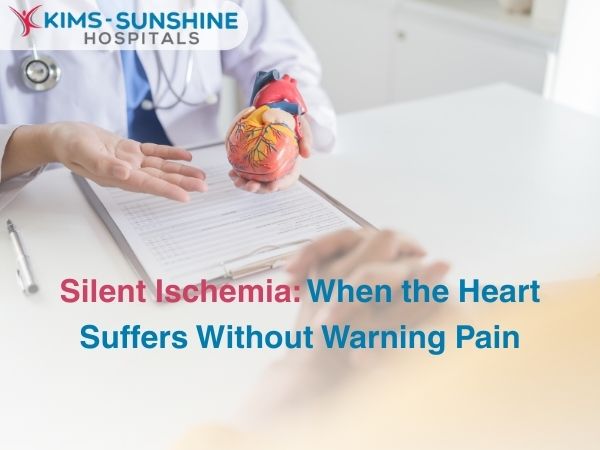
Ischaemia is a well known condition that is associated with loss of blood flow to a particular part of the body. Silent ischaemia is a condition where a person’s heart is not getting enough oxygen rich blood. This can severely impede the way the heart works and lead to a heart attack, if not diagnosed and treated in time. In silent ischaemia, all clinical findings point to a cardiac event, but the person has no overt symptoms like chest -pain, breathlessness or related signs. When blood flow is interrupted for a few minutes or longer and is not restored quickly, heart muscle can get damaged. Silent ischaemia is very common in the Indian subcontinent and is mostly observed in Type 2 diabetes mellitus patients, when compared to non diabetic populations. This condition affects individuals who have high BMI, hyperlipidemia, are diabetic or have a family history of cardiovascular disease respectively.
Silent Ischaemia Symptoms
Most affected individuals don’t have symptoms like chest pain, breathing issues or do not feel faint. So, timely detection of such an ischemic episode may not always be possible. The only way to know that something of the sort has occurred is to check for specific proteins, cholesterol or enzymes which may be present at elevated levels in the blood. Other tests that are commonly used to diagnose this condition include
- ECG- ECG detection of silent ischaemia is done to check for the heart’s electrical activity – with respect to rhythm, while an echocardiogram uses ultrasound waves to image the heart and how it is beating.
- A stress test for heart disease involves performing tests to understand how your heart is performing, when compared to someone else in the same age group. You will be asked to exercise on a bike or treadmill (which stresses our heart out and causes changes in rate and rhythm). If you experience painful symptoms, then you may have some valve related issue or the electrical centre of the heart may not be functioning well.
- A chest x-ray is useful too.
- A cardiac MRI may be recommended in some cases, though it is rare.
Asymptomatic heart ischaemia is treated with medications like beta-blockers or calcium channel blockers. These help in preventing heart failure. Nitroglycerin is prescribed if someone has angina or chest pain. Clot busters or thrombolytics are given if blood clots are the cause for ischaemia. Surgery is recommended in some cases- where valve failure is present. Angioplasty and stent placement are done if you have cholesterol plaques.
Conclusion
Untreated silent ischaemia can lead to a host of complications like bleeding, infection, stroke, kidney failure, heart attack etc. Most people do well with medications alone, but if someone requires surgery, then it will take longer to treat. After a coronary artery bypass graft procedure for example, you can take about 3-4 months to get better and recover fully. Long term changes to your daily routine is necessary- eating heart friendly meals, exercising regularly and not smoking, while continuing to take medications is important to prevent the occurrence of any serious events like a heart attack for example.
Frequently Asked Questions
What is silent ischaemia?
Who is at risk for silent ischaemia?
What lifestyle factors increase risk?
How is silent ischaemia treated?
What warning signs should never be ignored?