
Tachycardia: Understanding Fast Heartbeats and When to Seek Help

Verified By
KIMS-SUNSHINE
Specialist,
02 December, 2025
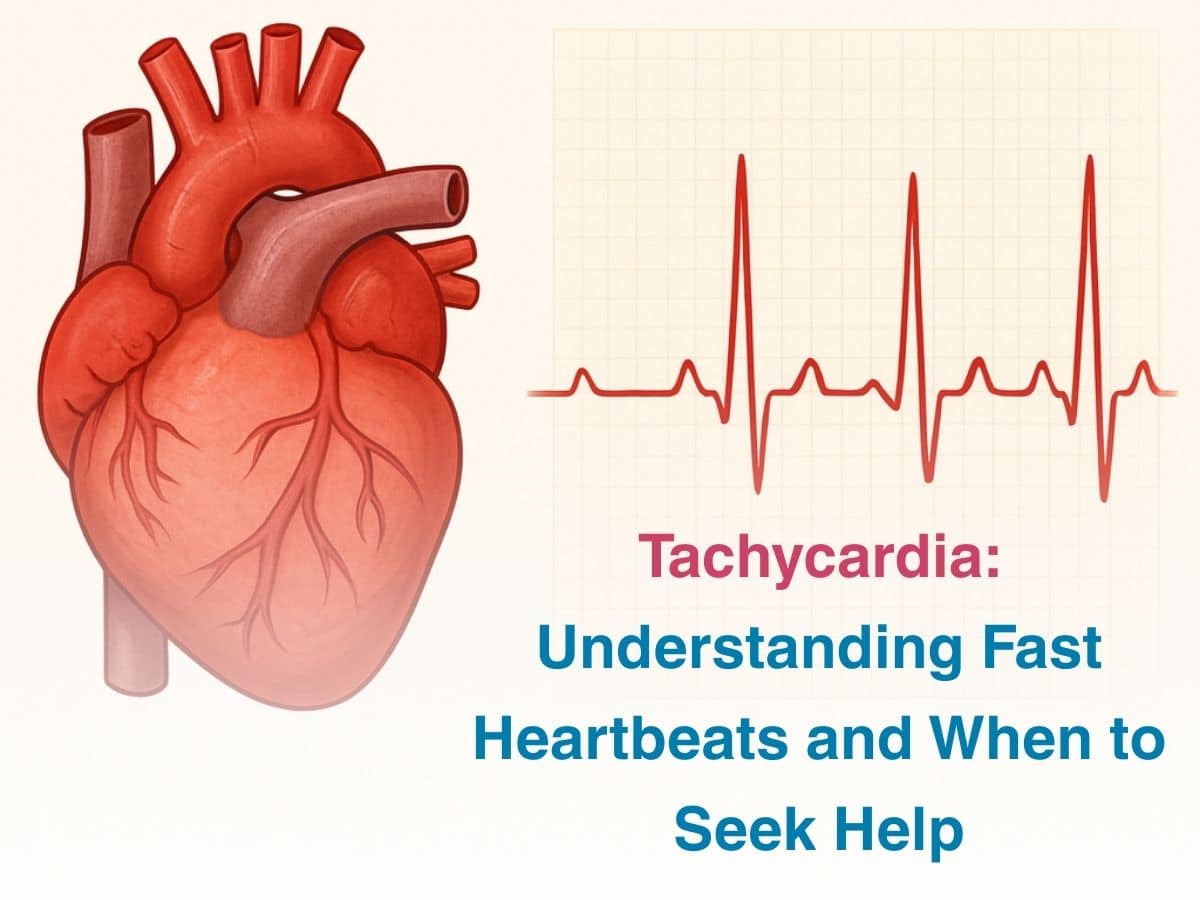
Heart disease has become a common fixture in the Indian subcontinent, as we have stopped paying attention to what we eat and how often we move in a day. When these decisions stack up on each other, it is easy to understand why Asian populations tend to get heart related diseases at least a decade earlier than their Western counterparts. In fact, recent studies have shown that South Indians are more vulnerable to developing heart disease, as we have specific genes which impact those pathways. Though Tachycardia can be caused by other factors too, it is worth noting that taking good care of your heart is a great way to keep it healthy overall. Tachycardia is a condition that messes with the electrical signals that influence heart rate on a daily, minute to minute basis- this can cause your heart rate to pick up and stay above a 100 beats per minute for most of the day.
Causes Of Fast Heart Rate
As mentioned above, heart disease is a prominent cause for tachycardia. The other well known causes include
- Factors that stress the body out- like dehydration, low blood sugar levels, blood pressure fluctuations.
- Heart disease- like coronary heart disease, which may be an underlying cause.
- People who are anaemic
- When your thyroid gland is not working properly.
- If you have other chronic conditions like diabetes or are obese.
- If you are on medications like antidepressants or antiarrhythmics.
- If there is some issue with kidney function
Symptoms Of Tachycardia
Since it is a form of arrhythmia, heart rate is way above the normal range of 60-90 beats per minute. Normally, such people complain of more than 100 beats per minute heart rate and this can last for a few seconds at a time or for a few hours. Very high heart rate means the heart is beating too fast for enough blood to fill in and get oxygenated. This means cells don’t get enough of oxygen or nutrients and this can cause other cascading effects over time. Some symptoms you need to be aware of include
- High heart rate- which is a hallmark symptom
- Not being able to breathe normally
- Palpitations and chest pain
- Feeling light headed or dizzy often
- You may faint too
- You may complain of nausea and extreme fatigue
Diagnosing Tachycardia (ECG, Holter Monitoring)
There are many tests that can be used to accurately diagnose this condition. Some of them involve checking how the heart functions in normal vs. stress scenarios – like a stress test, a tilt table test. Checking the electrophysiological state of the heart is done with an ECG, EKG, which measures heart rate at a particular point in time. Wearable Holter monitors allow your caretaker to monitor heart rate through the day, so it is convenient and easier to understand when and how heart rate increases. A physical exam is also done, before getting any of these diagnostic tests done.
Treatment For Rapid Heart Rate
Treatment involves the use of certain medications like calcium, potassium, sodium channel blockers, antiarrhythmics and anticoagulants which help blood flow better. Vagal maneuvres are preferred, as a first line of treatment. If they don’t work, then surgical procedures include ablation- wounding the part of the heart that is causing the electrical signals to get messed up. The scar tissue formed over the ablated area then stops the condition. Other approaches include implanting a pacemaker or an ICD (implantable cardiac defibrillator), which can shock the heart back to rhythm.
Conclusion
Tachycardia can be dangerous if it is not diagnosed and treated soon. Along with a heightened risk of cardiac damage, there is also the problem of developing a stroke, the heart muscles not working properly, blood clots forming or even having a heart attack, which is a real medical emergency that needs immediate help. You will need to make sustainable lifestyle related changes like eating a heart healthy diet, getting regular exercise, limit alcohol, caffeine, nicotine and other stimulants or depressants. If you feel faint or have radiating chest pain that begins on your left side of the chest, it is time to go to a hospital.
Frequently Asked Questions
What is tachycardia?
What symptoms indicate tachycardia?
How is tachycardia diagnosed?
Can anxiety cause a rapid heart rate?
What lifestyle changes help prevent tachycardia episodes?