

Celiac Disease: How Gluten Triggers an Autoimmune Response

Verified By
KIMS-SUNSHINE
Specialist,
05 December, 2025
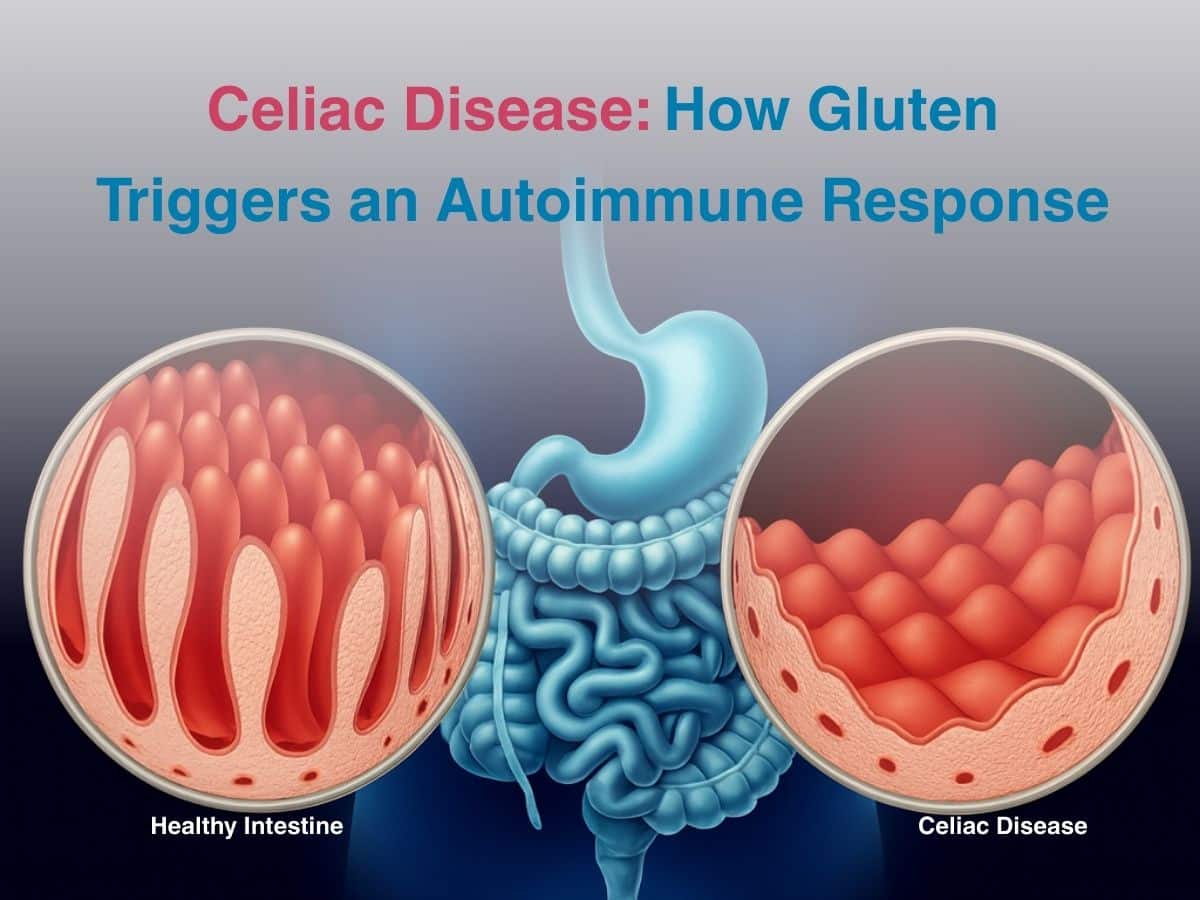
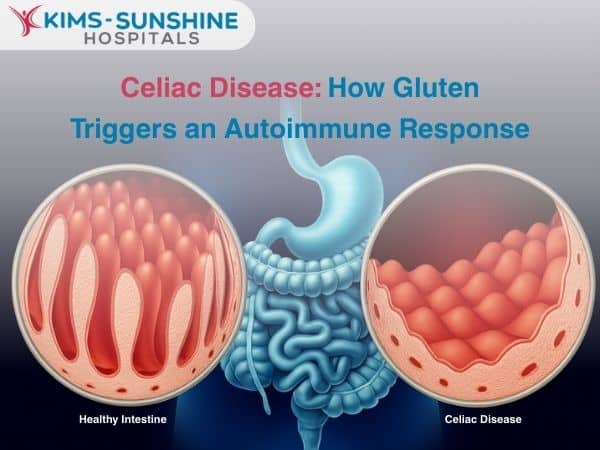
Celiac disease is often mistaken for a gluten intolerance, though both are different conditions. Celiac disease is a condition where the small intestine gets attacked by the immune cells in your body, when you consume any food that contains gluten protein. This inflammatory cycle keeps progressing, until gluten is completely removed eventually, and then symptoms tend to get better. When the gut gets inflamed so often, the cells begin to act in strange ways and can no longer absorb other nutrients effectively too. Undiagnosed and untreated celiac disease can cause long term malnutrition and absorptive deficiency disorders. Studies have shown that more individuals in the Northern parts of India get affected by this condition, when compared to South Indians. This may be due to the fact that we don’t rely as much on wheat based products and prefer rice or related items. The other factor is pure underdiagnosis due to low awareness.
Symptoms Of Celiac Disease
Symptoms of this condition are normally not that easily observed as most individuals don’t have any, at least in the initial years. Doctors mostly tend to diagnose children or individuals who are between the ages of 40 and 60, in the majority of cases. Some signs that you may observe come much later, when there is severe deficiency- like iron related issues of anaemia, cold hands, looking very pale and feeling very tired all the time. Children don’t grow as expected, dental enamel defects are seen, or irregular periods may be present in young girls or older women. People may not be able to get pregnant or may feel depressed too, because of nutritional deficiencies.
GI related symptoms include- severe bloating, diarrhoea, gas formation and stomach pain. Some other individuals may also develop dermatological issues, though this is rare. Celiac disease genes are normally inherited and it is hence mostly genetic. But, a lot of cases also begin seemingly randomly- due to a trigger like a major illness or surgery. You are also at greater risk if you suffer from some other autoimmune condition, as celiac disease by itself is related to a hyperactive immune system.
Celiac in Children Vs Adults
Children may not grow or develop in the same way as their peers and may suffer from low body weight, diarrhoea etc. Adults normally present with issues like fatigue, bone pain, anaemia, headaches or depression, because nutritional deficiency has already crossed a threshold. Infertility is also a major side effect of CD. Symptoms are usually easier to observe in kids than in adults, as severity is also greater when younger.
Gluten-Free Diet Benefits
Going gluten free is the only way to help relieve the symptoms and constant inflammation. This has to be for life, as reintroducing gluten can again cause flare ups. Since nutritional deficiencies may become a way of life with limited food options, supplements are a good option to try, though you should talk to your doctor about which ones to take. Corticosteroids can be given to deal with errant and persistent inflammation while proper follow up on a continuous basis is essential.
Long-Term Complications Of Celiac Disease
Since nutritional deficiency can occur due to small intestine inflammation, conditions like anaemia, osteoporosis, metabolic disease, cancers or neuropathies are more common in the long run. Even if very minute amounts of gluten are ingested, it can cause inflammation and be problematic. Infertility is also a major side effect for people trying to conceive.
Conclusion
The good news is if you go gluten free, your gut begins to heal and your symptoms begin to go away, leading to a better prognosis later on. You should be strict about your diet- so look for gluten free options when it comes to snacks, cook wholesome meals at home and if you do have to go out, eat at a restaurant that is reliably gluten free and where all ingredients are listed out properly. Indian cuisine has plenty of gluten free options to choose from, so check appropriate recipes out and get adventurous in the kitchen!
Frequently Asked Questions
How does gluten trigger an autoimmune reaction?
What foods should be avoided in celiac disease?
Can people with celiac disease eat oats?
What complications occur if celiac disease is untreated?
Can children outgrow celiac disease?