
Hepatic Encephalopathy: How Liver Dysfunction Affects the Brain

Verified By
KIMS-SUNSHINE
Specialist,
13 February, 2026
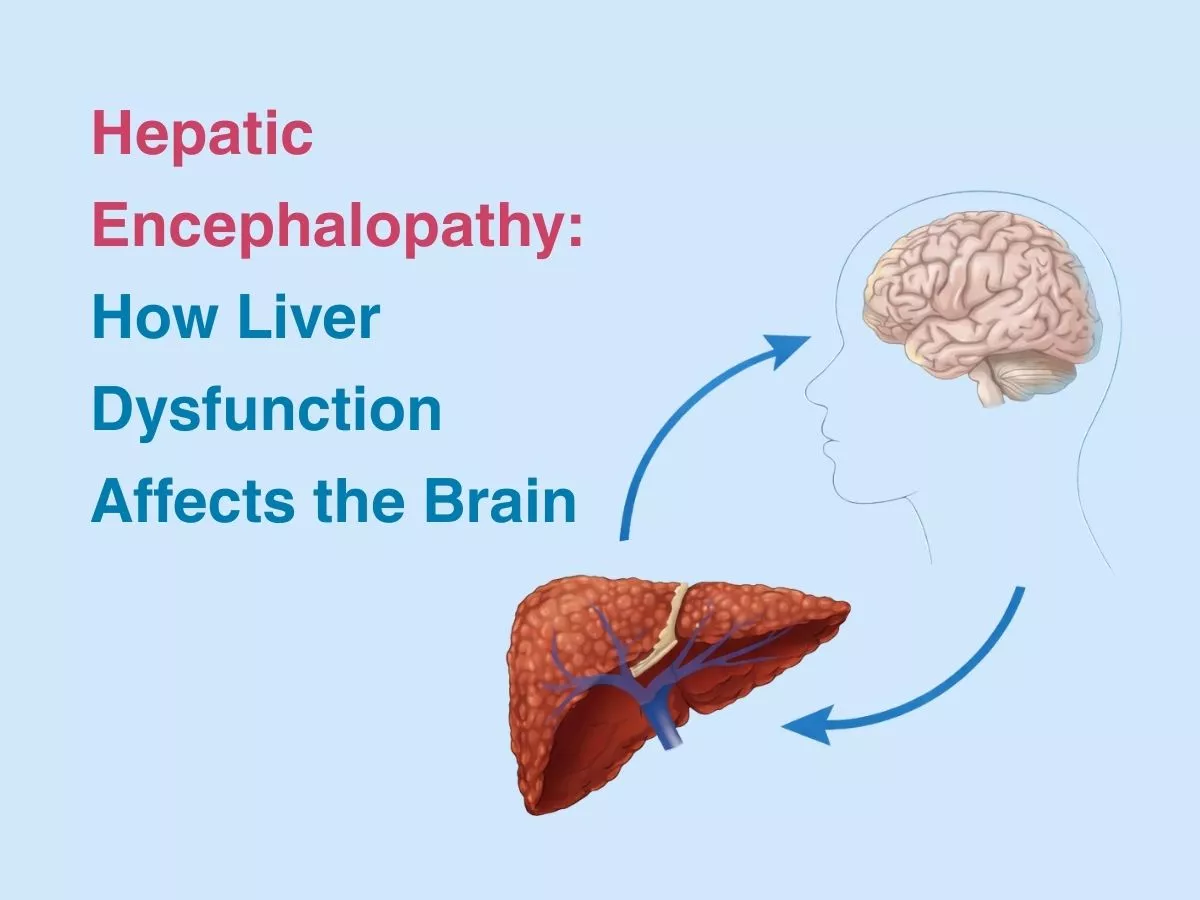
The liver is the largest organ in the body, responsible for a variety of functions- foremost being filtering toxins from blood and producing bile for digestion of fats, among others. When the functioning of the liver is compromised due to a chronic condition or infection, the filtering capacity gets reduced- which can lead to high levels of toxic substances building up in the blood. This can even alter brain function. If you notice symptoms which may point towards liver damage and altered mental state, do not hesitate to reach out to a liver specialist at the best hospital in Hyderabad, today!
Causes for Hepatic Encephalopathy
The term ‘encephalopathy’ is used when the brain is not functioning normally and when this happens due to liver damage or failure, it is termed hepatic encephalopathy or portosystemic encephalopathy. Some of the most common causes for this condition to occur include
- Acute liver failure
- Portosystemic shunt- where blood flows in a new route, and not via the portal vein after digestion has occurred.
- If you have chronic liver failure due to cirrhosis caused by some other issue.
- If you take too much of a particular medication or consume too much alcohol
- If you have a severe infection that can cause your body to get very stressed out. Viral infections can be serious if not treated in time.
- If there is severe electrolyte imbalance or dehydration.
Liver Disease Brain Symptoms
Symptoms begin when the liver is not filtering toxins that remain after digestion- like ammonia, phenols, neurotransmitter-like molecules etc.This blood comes via the portal vein into the liver, is filtered and then sent out to systemic circulation, toxin free. When this process doesn’t work like usual, neurotoxins build up in the blood and affect brain function in different stages
- Grade 0- when you have subtle memory issues or changes in reaction times.
- Grade 1- Mild confusion due to liver failure, forgetfulness, mood swings, fine motor skills don’t work as well and not being able to sleep normally.
- Grade 2- Personality changes are more pronounced, disorientation is present and slurred speech is also observed.
- Grade 3- Altered mental status, drowsiness, delirium, tremors, amnesia, poor general awareness
- Grade 4- The person goes into a hepatic coma.
If you notice grade 2 or 3 like symptoms, you should rush to a hospital for emergency treatment.
Diagnosis of Hepatic Encephalopathy
A liver specialist or gastroenterologist can help diagnose this condition. Approaches used include-
- A physical exam where they check your vital signs
- They will check for liver disease and/or a portosystemic shunt.
For this, they will recommend
- Blood tests to check liver function and ammonia levels.
- Ultrasound to check blood flow to your liver.
- CT or MRI scans to check for inflammation or other structural abnormalities in the brain.
- An electroencephalogram (EEG) is done to check brain activity.
Treatment for Hepatic Encephalopathy
The main point to remember is the brain gets better once treatment begins. Treatment depends on what problem is causing the encephalopathy in the first place-
- If it is liver failure, then there is proper treatment that can cure this condition. Supportive care is given to prevent complications. If nothing works, then liver transplant is the only available option.
- If you have a portosystemic shunt, then interventional radiology may be used to help blood flow in a different path and ease symptoms.
- Reducing toxins involves the use of medications like antibiotics and laxatives like lactulose to help you excrete waste better and manage infections. Branched chain amino acids may be given to help clear ammonia via muscle tissue.
- Hemodialysis is done so that filters can be filtered out of blood, when there is acute liver failure.
Conclusion
Managing hepatic encephalopathy involves timely treatment, but if you have chronic liver failure, then it is a medical emergency. Long term management will involve getting someone to help you when your symptoms get worse, eating a liver friendly diet, getting enough exercise and looking for a living liver donor, if possible. If you have liver failure and want to better understand how to prevent encephalopathy from affecting you, get in touch with our specialist at KIMS Sunshine hospital- the best multispeciality hospital in Hyderabad.
Frequently Asked Questions
How does liver disease affect brain function?
Why does ammonia buildup cause confusion?
How is hepatic encephalopathy diagnosed?
Can hepatic encephalopathy be reversed?
When should a liver patient seek urgent medical care for confusion?