
The Importance of Early Medical Consultation Instead of Self-Medication

Verified By
KIMS-SUNSHINE
Specialist,
18 December, 2025
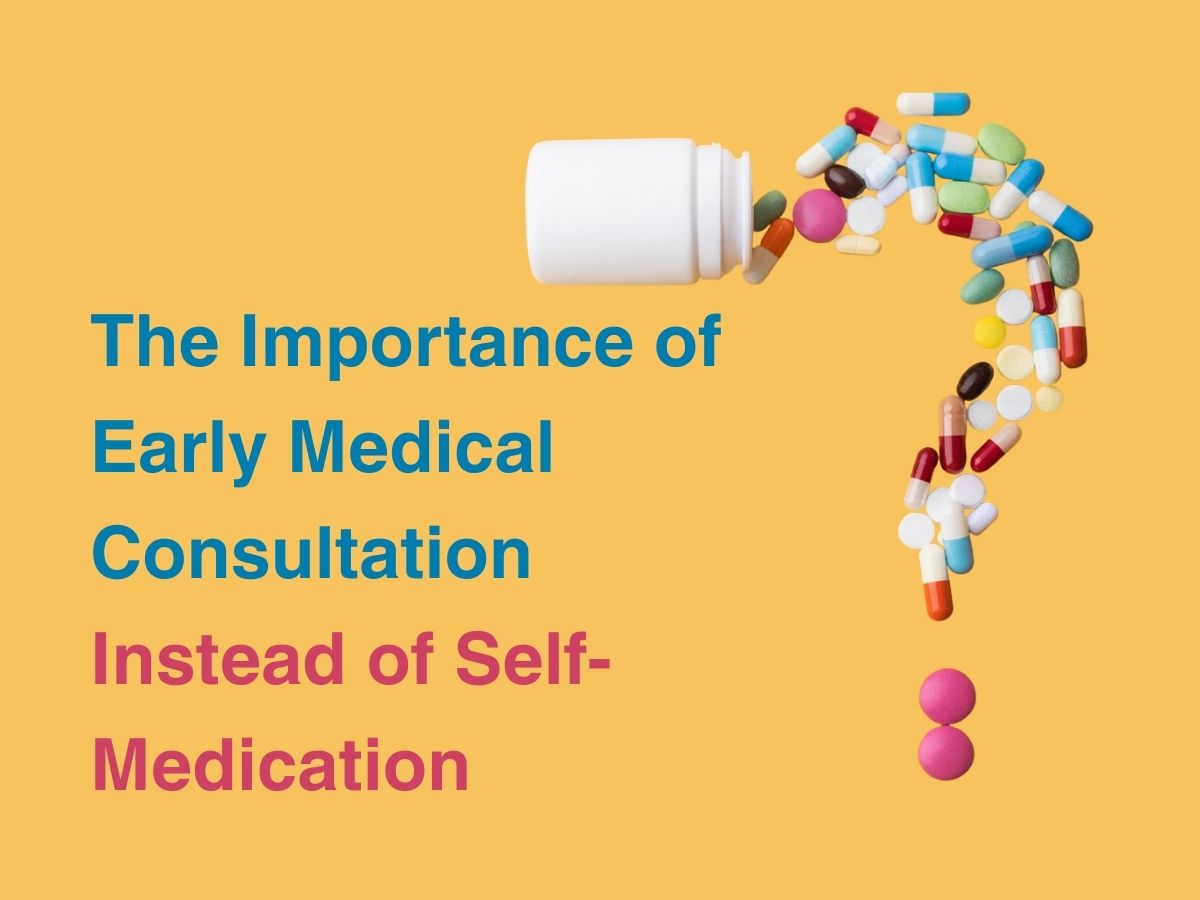
In India, we love self-medicating. It’s a bigger problem than any of us would like to admit. According to surveys, over half of us self-medicate and over 60% of Indians buy antibiotics without a prescription. It might seem harmless, but we don’t realise how much of a problem that is. Symptoms never tell the whole story. Treating ourselves with medication from the “last time” that we felt a certain way is a recipe for disaster. Doctors need to run a battery of tests to confirm diagnoses. How is it justified for us, with little to no medical experience, to pop pills like it’s just another day? Early medical consultation must be adapted as a routine practice by us Indians, for our own well-being.
What Is Self-Medication And Why Is It So Common?
Self-medication is basically us taking medications without professional medical advice. This includes over-the-counter drugs, leftover prescriptions, unnecessary antibiotics, or remedies suggested by friends, family, or the internet. It’s common in India because of how accessible and easy it is. Pharmacies are available everywhere, even online. Personal bonds with pharmacists leads to easy access to even schedule H drugs (drugs that can only be sold under prescription). We assume that if something works once, it’ll work over and over again. Cost and time concerns are two major reasons we tend to treat and medicate ourselves instead of visiting a doctor.
Risks
Incorrect diagnosis is a huge concern. Many conditions share symptoms but require different treatment approaches. Treating symptoms without understanding the underlying disease can delay proper care. Incorrect dosage, wrong medications, or prolonged use are also major concerns as all of these can lead to organ damage. Self-medicating with multiple drugs is even worse. Drug interaction is no joke and we don’t realise how risky it is as we don’t even know whether the drugs we take interact with each other. Combining medications without supervision can lead to dangerous or unwanted side-effects in the long run.
Antibiotic Resistance
Antibiotic misuse is one of the most serious consequences of self-medication. Common conditions affecting us, like the common cold, are caused by viruses, not bacteria. Antibiotics treat bacterial infections and NOT those that are viral in nature. Popping antibiotics unnecessarily contributes to a phenomenon called antibiotic resistance. Bacteria tend to build resistance to antibiotics over time, if used persistently. This leads to the need for stronger antibiotics, with the possibility that none may work in the future when you really need them to.
Side Effects Of Wrong Medications
Every medication carries potential side effects. Over-the-counter drugs aren’t harmless just because they’re so accessible. Excessive use can damage our organs significantly, alter blood chemistry, or interfere with other drugs and treatments. Some medications can worsen existing conditions. For example, certain painkillers can cause gastric issues, kidney disease or heart problems to flare up. Without proper medical guidance, these risks are usually easily dismissed or overlooked.
Why Early Consultation Matters
Doctors look at our complete medical history, weigh out the symptoms that affect us and find the right fit for what we have. Then, they prescribe medication based on pre-existing conditions, medication and treatment. All this is to make sure that no two drugs interact negatively and that no new drug affects a pre-existing condition negatively. Consulting a doctor early is the best for every person as this can prevent unnecessary progression, reduce complications and shorten recovery time.
What’s The Deal With Online Advice?
NO. That’s all. Do not take online advice for medication. Lifestyle adjustments? Exercise plans? Diet suggestions? All of these are things okay to read up about online, to lead a healthier life. But medication? Dosage? Just no. Online information can not replace years of medical training. It is always safer to consult a doctor. Self-diagnosing based on random advice on the internet is not safe. You can talk to your doctor over a video call when it’s not possible to visit them, but do not take advice from unverified sources.
Safe Medication Practices
Safe medication practices begin with proper diagnosis. Medications should only be taken if prescribed by a qualified person. Proper dosage and completion of courses are essential. It’s important for us to personally keep a record of all past medications to inform our doctors. Responsibility is the key to improving personal and public health.
Conclusion
Self-medication feels convenient and is easily accessible, but it holds significant risks that we just ignore. Incorrect diagnosis, delayed treatment, side effects and antibiotic resistance are real consequences of unguided self-medication. Early consultation keeps us safe. It improves our quality of life and keeps us safe over the long-term. Seeking medical advice from a qualified doctor is not an overreaction, it’s preventive care. Choosing to consult a doctor is nothing but a step towards a healthy future and it’s a choice all of us should make.
Frequently Asked Questions
Why is self-medication dangerous?
Can self-medication delay proper diagnosis?
Are antibiotics safe without medical advice?
What symptoms should never be ignored?
Is online medical advice reliable?