

Understanding Basic Health Vitals and Why Monitoring Them Saves Lives

Verified By
KIMS-SUNSHINE
Specialist,
24 December, 2025
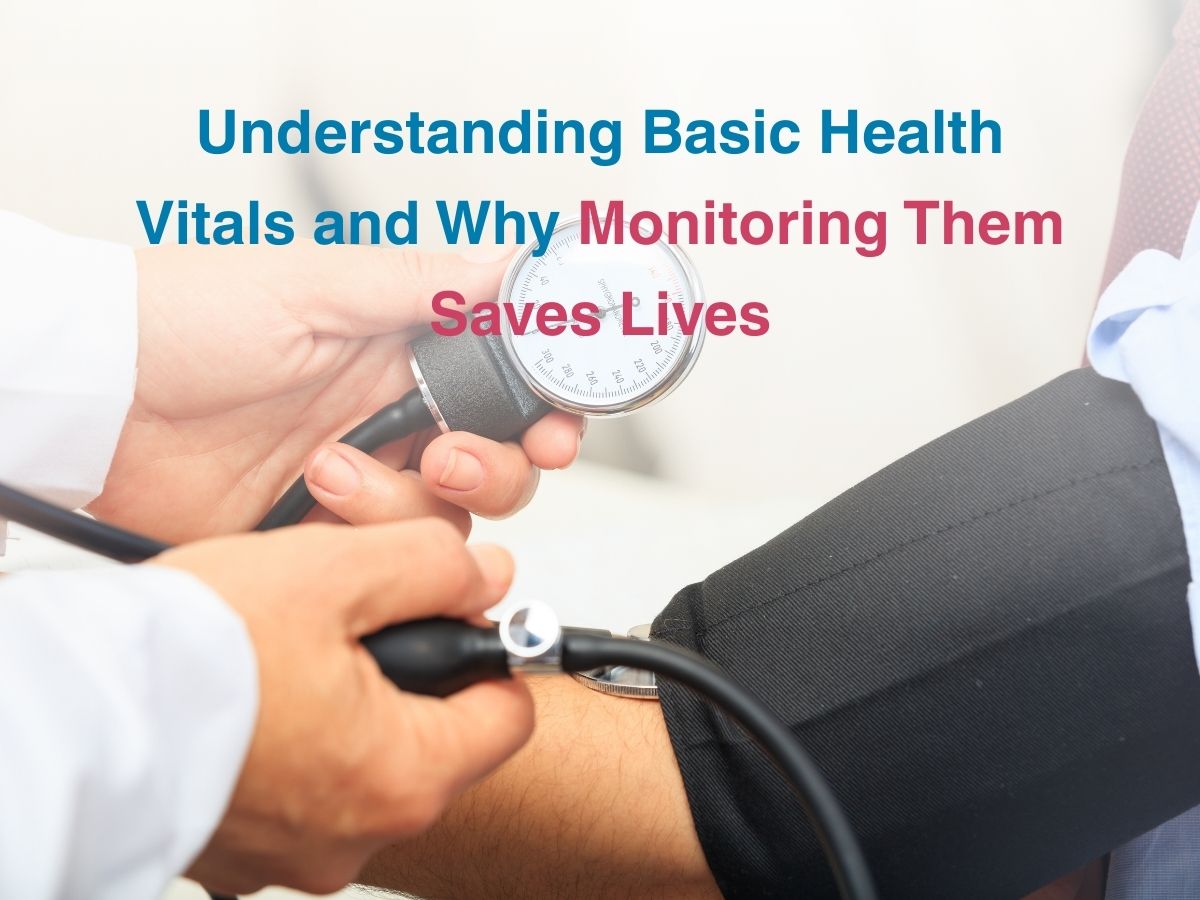
Most health conditions do not appear suddenly. They slowly develop within our bodies, sometimes over years and give off subtle warnings that we choose to ignore. Basic health vitals are a part of this early signalling system. Blood pressure, heart rate, oxygen saturation, temperature and respiratory rate are a few health vitals that can hold hidden information that’s easy to miss. If we maintain records of what we track, we’ll be able to notice certain patterns which could mean something. Then, we could consult a doctor and make sure everything’s alright. There could be a life-saving difference between early intervention and delayed diagnosis.
What Are Basic Health Vitals?
Health vitals are physiological measurements that let us know, in numbers, how well our body’s systems are working. They are used regularly in clinics and check-ups because even small changes or deviations can mean something serious may be happening. It could indicate stress, infection or even disease. Blood pressure shows how much work the heart is doing just to normally pump blood. Heart rate shows the balance between the cardiovascular and nervous systems. Oxygen saturation shows how well oxygen is being sent to cells. Temperature changes can signal infection or inflammation. Respiratory rate gives an insight into how well your lungs are working. Together, these vitals are very important and show us whether or not our body is healthy.
Normal Vital Signs
Vital signs exist within ranges that vary based on age groups, physical activity and can also vary from person to person. A single reading that’s off need not mean anything really, but if deviations are noticeable consistently, it could point to an undiagnosed underlying condition. For example, slightly higher blood pressure for months can point towards hypertension, even without other symptoms. If your resting heart rate steadily increases over time, this may point towards reducing cardiovascular fitness or chronic stress. Knowing what ranges are normal can help all of us recognize whether a change is worth our attention. It also means we can catch gradual changes early, instead of waiting for apparent symptoms.
Understanding Key Vitals And Their Indications
- Blood Pressure –Normal range: ~120/80 mmHg. BP is one of the most vital vitals. The risk of heart disease, stroke and kidney damage is common when BP is consistently high over a period of time. Hypertension is very dangerous because it usually has no obvious symptoms. So, we recommend regular monitoring to make sure you’re consistently within normal ranges. It also helps to vary your lifestyle, by making changes to aspects like diet, sleep, physical activity and stress.
- Heart Rate – Normal range: 60-100 beats per minute (Athletes may naturally fall slightly below this.) Heart rate is a measure of how your heart reacts to your body’s daily workload. It can be affected by fitness, sleep, hydration, stress and cardiovascular health. A lower resting heart rate is a good sign as it indicates better efficiency. Consistent high rates can signal towards chronic stress or illness. Sudden changes seemingly due to nothing can point to rhythm disturbance or an imbalance within the body. This is why monitoring trends is more important than making decisions based on one reading.
- Oxygen Saturation – Normal range: 95-100%. Oxygen saturation is a measure of how well oxygen is being delivered to your cells. Low levels can mean respiratory infections, lung disease or breathing disorders related to sleep. Gradual decline does not show up immediately as noticeable symptoms. Tracking oxygen saturation is especially important for people recovering from illness, during the illness, or for people with underlying respiratory conditions.
- Body Temperature – Normal range: 36.1℃ – 37.2℃. Body temperature is a very sensitive measure, as shown by the small range. It can indicate infection. Even small increases, but over a period of time can signal an underlying problem long before we notice symptoms. Not just high levels, but lower temperature also has meaning; it can mean metabolic or hormonal disturbance. Measuring temperature during illness helps us differentiate between minor unimportant conditions and those that require us to consult a doctor.
- Respiratory rate – Normal range: 12-20 breaths per minute. Respiratory rate measures how well our lungs are functioning. Changes in breathing patterns could point to infection, stress or cardiovascular strain.
Conclusion
Basic health vitals are easy to measure and help us understand our bodies and trends, to make sure we’re living a healthy life. Remember, all values we’ve given are general reference ranges. Regular deviations could be a cause for concern and you should definitely consult a doctor. Again, these ranges may be different for different people depending on age, fitness and underlying health conditions. Wanting to consult a doctor should hence be for safety reasons and it should not be mistaken for paranoia.
Frequently Asked Questions
What are basic health vitals?
What is a normal blood pressure reading?
Why is oxygen saturation important?
How often should vital signs be checked?
When should I seek medical help for abnormal vitals?