
Why a Multi Speciality Hospital in Hyderabad Offers Better Outcomes for Complex Conditions

Verified By
KIMS-SUNSHINE
Specialist,
07 January, 2026
Medical therapy today does not aim to deal with or cure only one symptom of a disease. Patients present with overlapping conditions including diabetes with heart conditions, kidney problems with hypertension, as well as neurological symptoms linked to infections or metabolic conditions. In such cases, delays in diagnosis, complexity of treatment and patient risk increase. A multi specialty hospital in Hyderabad is a facility that has several specialties under one roof and is capable of dealing with any condition of varying complexity, urgency and continuity. This is something which a single specialty centre or an independent clinic is not equipped to do. For certain patients with severe multi-system conditions, the care structure itself may be as vital as getting the right kind of treatment.
Integrated Care for Complex and High-Risk Conditions
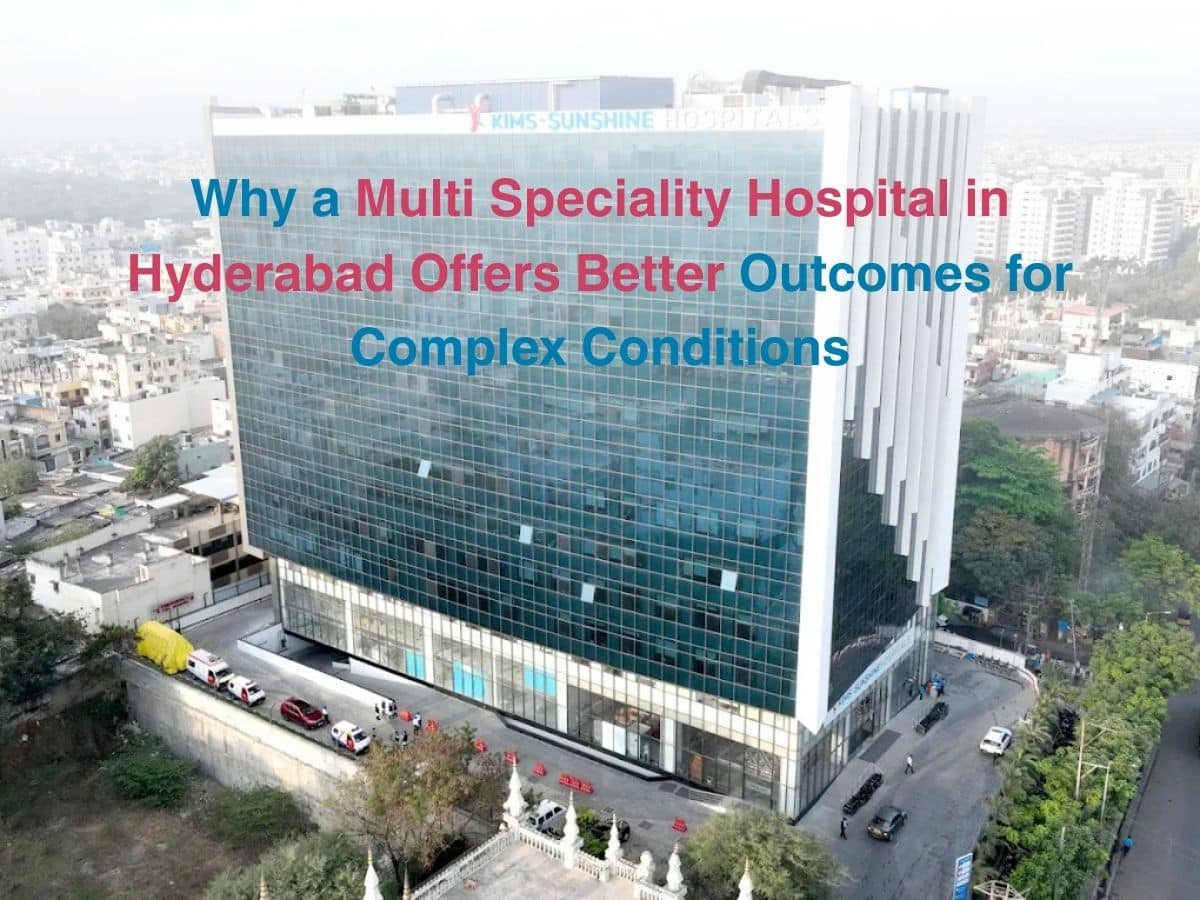
Complex medical problems hardly ever fall under one specialty. A heart disease patient can also have kidney, respiratory, or diabetes problems. Dealing with each issue separately means splintered decision-making which means repeat testing and increased delays in treatment. KIMS Sunshine hospital in Hyderabad provides coordinated care given by a multidisciplinary team. They work together from diagnosis till recovery.
Cardiologists, neurologists, pulmonologists, nephrologists and surgeons are all in sync and cognizant of the patient’s records and treatment. The delay between consultations must be less, faster clinical decisions must be made and treatment should not be delayed – that is what is the foundation of multidisciplinary medical care. Coordination can make a great difference for patients in challenging scenarios, particularly for ICU patients or patients needing advanced monitoring. An added benefit is receiving diagnostic services at the same location. You don’t need a referral for advanced imaging, lab tests, endoscopy tests, cardiac tests and neuro tests at many centres. The diagnostic integration supports early recognition of complications and accurately detailing the treatment plan, especially in an emergency or a rapidly evolving case.
Advanced Infrastructure, Emergency Readiness, and Continuity of Care
A patient’s outcome for a complicated condition is often determined by the infrastructure of care they have access to. Our hospital is characterized by operation theatres, emergency departments which are operating 24*7, industrial ICUs and much more advanced technology for medical and surgical purposes. These facilities are in action when a disaster needs to be prevented. Being well equipped for heart attack, stroke, trauma and serious infection is very useful. Due to the availability of on-site specialists and emergency trained professionals, you get round the clock treatment and diagnosis within a multi-specialty hospital. This cuts down response times and improves survival rate in emergencies. Continuity is another major strength in addition to acute care. Individuals with protracted or enduring ailments frequently need intricate treatment involving various specialists. A multi-speciality setup includes outpatient services, rehab, physiotherapy and long-term monitoring in one package. Such transitions from hospital to recovery care will be more seamless, and will lessen the likelihood of complications due to poor follow-up.
Patient-Centered Outcomes and Long-Term Benefits
An integrated healthcare approach lightens both physical and emotional load for patients. Having to go from clinic to clinic, managing a bunch of reports and offering up the same medical history over and over again is tiring, especially for seriously ill patients. Our multi speciality center provides centralized care, a single electronic health record and unified communication between departments, thereby simplifying the process for high risk patient management and effectively supports their caretakers too. This model helps develop more patient safety. When professionals work together it is less likely treatments will interact or diagnoses will be contradictory. With the coordinated oversight of elderly patients and multi-morbid patients, medical errors and over-treatment can be drastically reduced.
Integrated care can ultimately help manage disease, enhance quality of life and bring down health costs through a reduction of hospitalisation and complication rates. A multi-speciality hospital is the best bet for better patient outcomes for people with complex health issues. Furthermore, they make a good choice for overall wellness as well.
Conclusion
Greater than isolated high-level expertise, complex medical conditions require coordination, infrastructure, and continuity. Our hospital has a model of care designed to meet these needs. This technology has become a core focus for engineers. We enhance immediate health outcomes and future recovery by dealing with more than one health issue simultaneously and effectively. Patients with serious overlapping conditions can benefit from integrated care which can be life-saving.
Frequently Asked Questions
Why are complex conditions better treated at multispecialty hospitals?
Do multispecialty hospitals have better technology?
How do specialists coordinate treatment plans?
Are multispecialty hospitals cost-effective for long-term care?
What conditions require multispecialty care?