

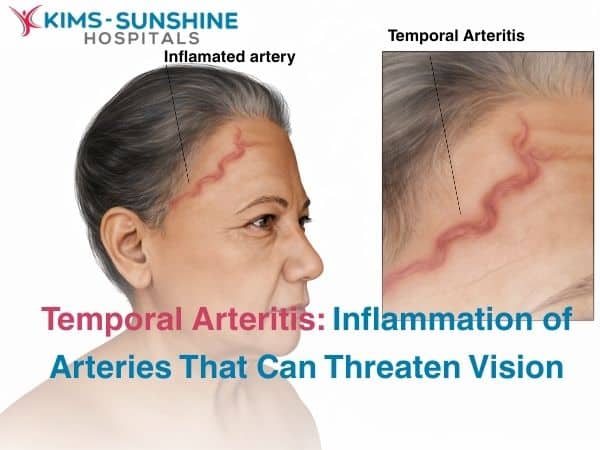
Temporal Arteritis: Inflammation of Arteries That Can Threaten Vision

Verified By
KIMS-SUNSHINE
Specialist,
09 December, 2025
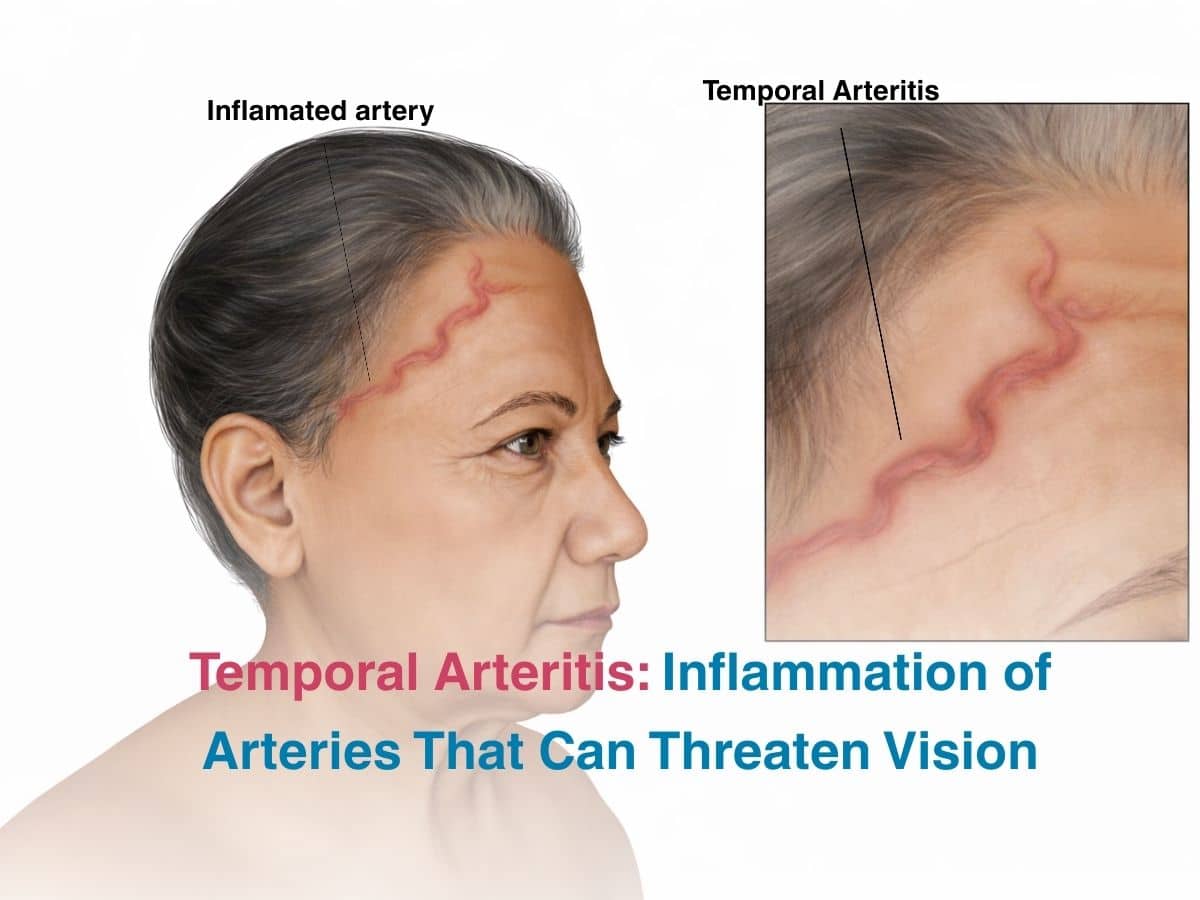
Temporal arteritis is a condition where the blood vessels in your temple and other parts of head, neck and arms get inflamed. It can hence be thought of as a specialised form of vasculitis. It affects more men in the Indian subcontinent than women, though this may be purely due to underdiagnosis and poor awareness of this condition. In the West however, more women have been diagnosed with this condition than men, so we don’t really understand the reason for this gender related switch here. The temporal artery is a main artery that supplies blood to the eyes, scalp and jaw. When temporal arteritis, also called giant cell arteritis (GCA) is present, it can lead to blindness as the optic nerve can get starved of energy and resources, due to poor blood flow. GCA can also affect the aorta, in which case there are more systemic issues in the body.
Causes Of Giant Cell Arteritis
The exact cause for this condition is not known but research has shown that there is an immune component – so if you have an autoimmune condition already, you are at greater risk of suffering from GCA. More men become blind due to temporal arteritis, when compared to women and more European individuals seem to get affected, when compared to other ethnicities, elsewhere.
Giant Cell Arteritis Symptoms
Some of the symptoms associated with this condition include-
- Raging headaches that can cause a lot of throbbing and which are continuous.
- Jaw pain when eating or chewing food.
- Feeling tired, having a fever
- Not having much of an appetite
- Tender feeling scalp or temples.
- Muscle aches in the body.
Diagnosing Temporal Arteritis
Diagnosing this condition can be tricky but there are a few tests which are useful. Blood tests are commonly recommended- specifically – ESR or erythrocyte sedimentation rate – where a test checks how long it takes for RBCs to sediment or settle at the bottom of a vial or tube. A quicker ESR value means you may have inflammation. Another test is to check for the amount of C-reactive protein ((CRP). Though both tests are general and just say there is inflammation, they cannot be used to confirm any condition on their own. Haemoglobin levels are also checked, to see if you have any kind of anaemia.
But, a temporal artery biopsy is considered a gold standard confirmatory test – where a microscopic piece of arterial tissue is taken out and then visualised by a pathologist. If there is presence of vasculitis or inflammation, then you have a definite diagnosis. Imaging may also be recommended- like a CT, MRI, ultrasound or PET scan respectively.
Steroid Treatment For Arteritis
Autoimmune conditions like giant cell arteritis benefit from steroidal treatment, as this can help modulate the immune response better. Glucocorticoids like prednisone are greatly preferred, as they help reduce the risk of developing vision related issues. But, glucocorticoids can cause a host of unwanted side effects if taken at high doses for a long time, which is why your doctor will start at a higher dose but then begin to taper it, till you can stop. Other biologic treatments are also being developed, as steroids are immunosuppressive and can leave you at a higher risk of contracting opportunistic infections.
Conclusion
GCA is said to be chronic and you may or may not have flare ups. Prompt treatment with steroids is necessary to prevent vision loss. But, even with steroid treatment, you will have to grapple with unwanted side effects like loss of bone density, insomnia, weight gain, high BP and blood sugar levels, even cataracts. This is why dosage is very crucial- since you need the drug but don’t want too many of the side effects. Regular blood tests and follow up can also let your doctor know when you may be at risk of having a flare up.
Frequently Asked Questions
What is temporal arteritis?
How is temporal arteritis diagnosed?/summary>
What tests confirm the condition?
How long do patients need steroid treatment?
What happens if temporal arteritis is untreated?