


Knee Pain While Walking or Climbing Stairs? When to See an Orthopaedic Specialist

Verified By
KIMS-SUNSHINE
Specialist,
28 April, 2026
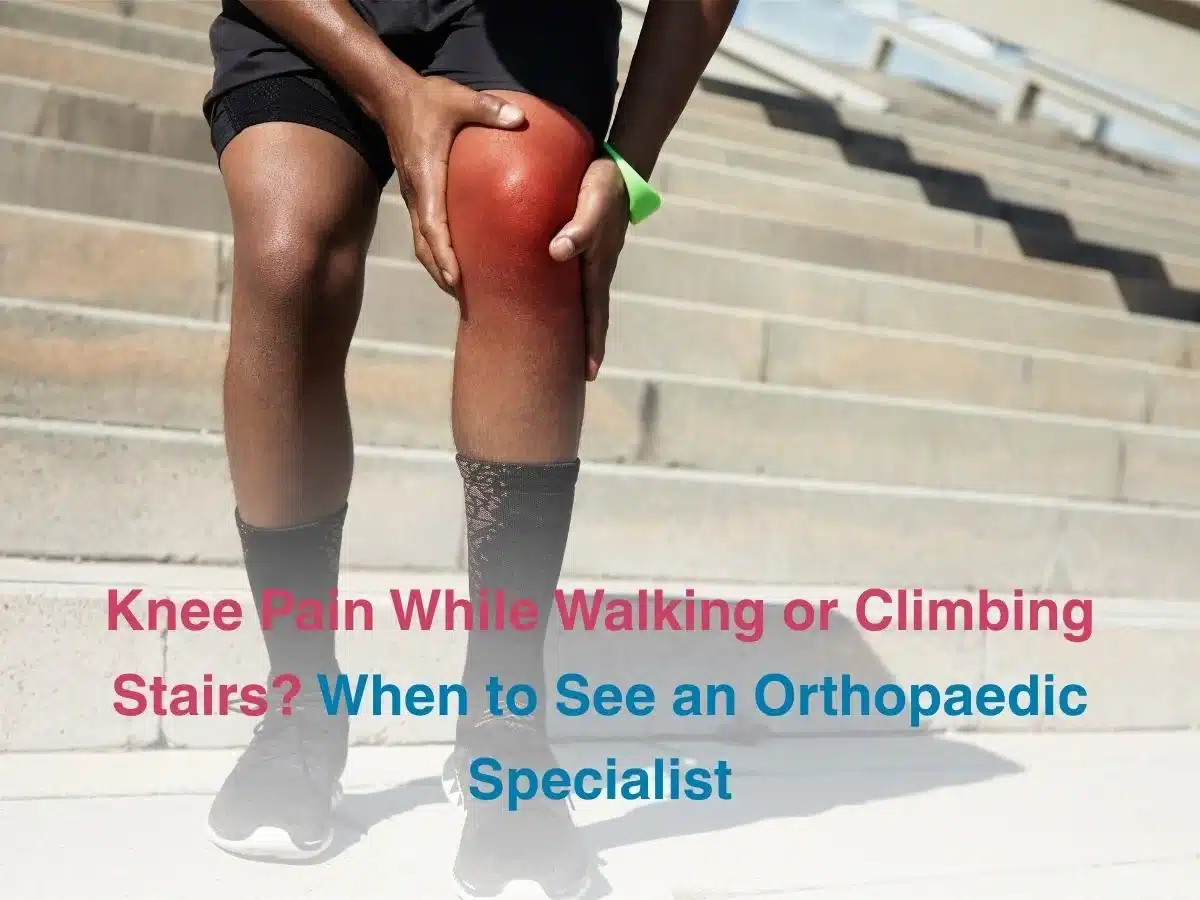
Joint pain is a very common orthopedic complaint- and weight bearing joints are most often the ones that get worn down with advancing age, like the hips, knees, ankles or feet. You may initially have mild pain, discomfort, slight swelling and may still be able to go about your routine without any issues. But, when the pain, swelling and stiffness become a chronic, every day feature, it can affect your quality of life. If you have knee pain while climbing stairs, walking, jogging or moving around and it does not get better even with rest, you should talk to an orthopaedic doctor for knee pain. So, call us at KIMS Sunshine Hospital without any delay!
Why Does My Knee Pain When I Walk or Climb Stairs?
Your knees may ache because of any of the following reasons-
- If you suffer from arthritis of some sort- This is a common ailment for older individuals- osteoarthritis is when the connective tissue or cartilage gets worn down and bones begin to rub together.This can make it hard for you to bend your knee, climb stairs or move around freely. You should look for arthritis knee treatment options now and not delay it.
- If you have a meniscus injury– A torn meniscus can be problematic- and can even lead to a knee dislocation, if not diagnosed and treated in time.
- Patellofemoral Pain or runner’s knee– This condition is commonly associated with runners or marathoners, but can actually affect anyone who has weak hip and thigh muscles, bad posture and other factors. The kneecap does not move properly above the knee joint and can lead to instability, causing grinding sounds and a lot of stiffness. It is a common overuse injury that can affect anyone. Women are at a higher risk of suffering from this condition, as their hips are wider.
- Ligament injury- Strained ligaments can cause severe knee pain and instability- and you will need specialized ligament injury knee treatment to get better.
- Muscle imbalance and weakness- If you have poorly developed or weak quadriceps, hamstrings, hip muscles, then your knee joint may ache a lot.
When Should I Consult an Orthopedic Specialist?
You may have the following symptoms-
- Pain and stiffness that gets worse but has been present for over 2 weeks or longer.
- If you notice instability of the knee or a locking sensation, making movement difficult.
- If the pain is so bad that you are not able to function normally.
If you notice any or most of these symptoms for over 2-3 weeks or a month, with symptoms worsening over time, you should consult a knee pain treatment specialist at KIMS Sunshine Hospital right away!
Diagnosis and Treatment of Knee Problems-
Diagnosis of orthopedic issues is done after taking a detailed medical history, asking about symptoms and getting imaging done. You may be asked to get a knee x-ray, knee MRI or related tests. Blood tests are also done, if an infection or autoimmune disorder is suspected.
Treatment involves the usage of painkillers, injections, physiotherapy – all conventional modes which are non-invasive. If none of these work and your symptoms get worse, then doctors may ask you to consider getting a knee replacement consultation done.
Conclusion
There are some ways you can reduce the severity of symptoms- like weight management, eating nutritious food, exercising regularly, using the right footwear and gear and ensuring that you do stretches, strengthening exercises and low impact activities only, in the long term. This will help reduce pain, stiffness and also help you retain the new prosthesis, if you chose to get surgery done.
Frequently Asked Questions
When should I consult an orthopaedic doctor for knee pain?
Can physiotherapy relieve knee pain without surgery?
What is the cost of knee pain treatment or surgery?
Can untreated knee pain lead to long-term joint damage?
Where can I find the best orthopaedic specialist for knee pain?