

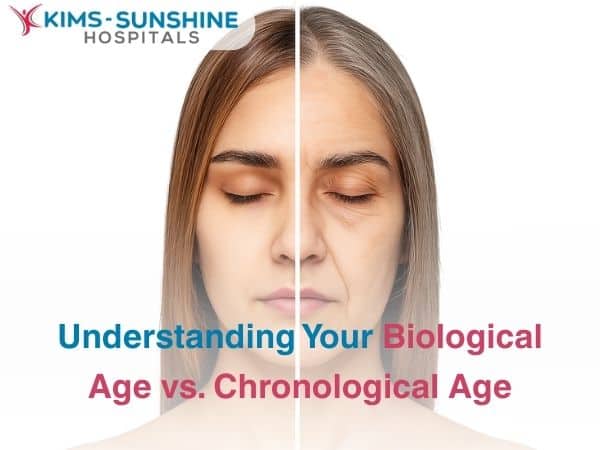
Understanding Your Biological Age vs. Chronological Age

Verified By
KIMS-SUNSHINE
Specialist,
26 November, 2025
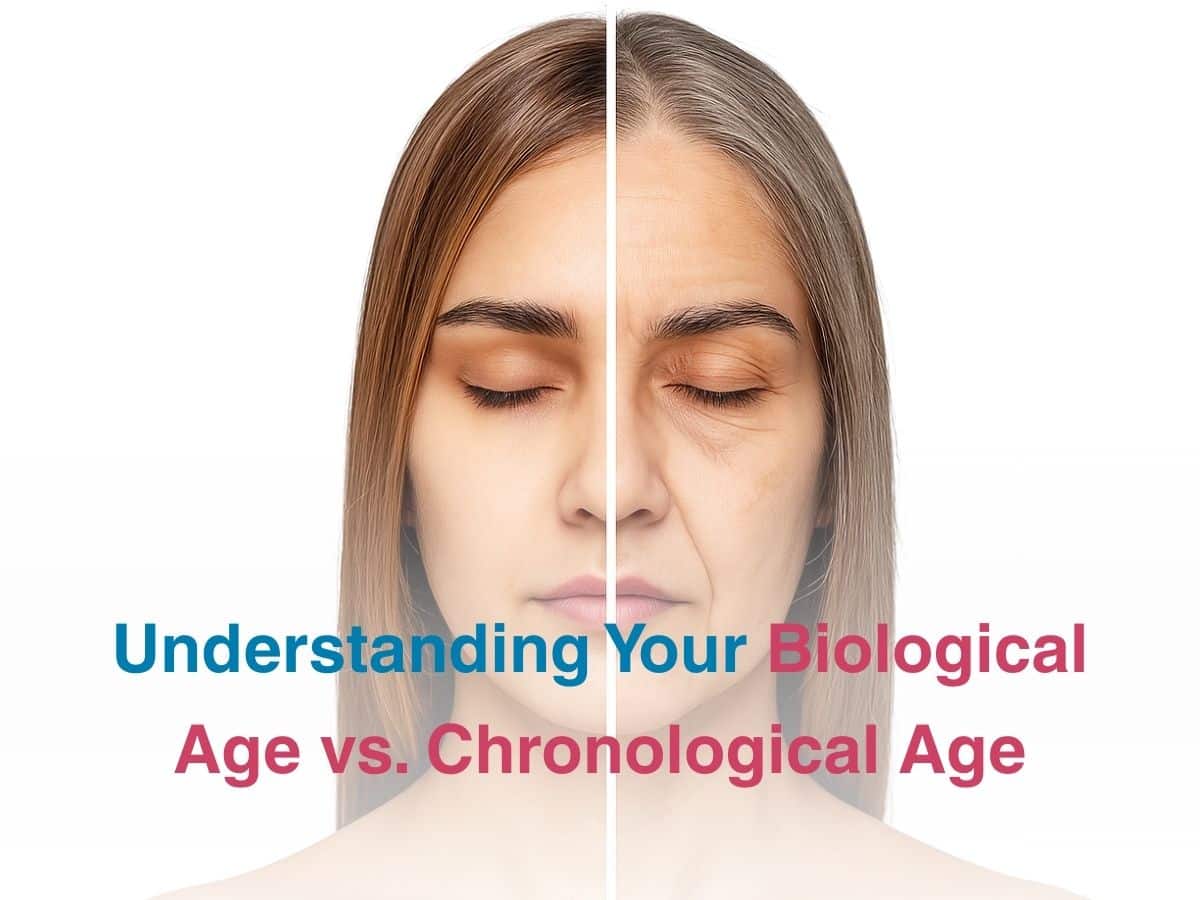
Studies related to gerontology (the systematic study of ageing and all its aspects) and anti-ageing medicine often use the concept of biological age and chronological age. Human biological ageing is studied through epigenetics and the changes on our epigenomes in our DNA sequence. Biological age can help in determining the onset of age related diseases and also predicts mortality while chronological age is only useful in calculating the number of years an individual has survived. The determination of an individual’s identity according to their biological age can help them have a better understanding of their bodily functions and health related issues, so that they can take better care of themselves.
Biological Vs. Chronological Age
Biological age indicates the physiological state of cells and tissues based on DNA evidence, while chronological age is just the count of the number of years since the birth of an individual. Chronological age isn’t affected by any factors while biological age is influenced by many factors including lifestyle, diet and exercise.
How Is The Biological Age Measured?.
Epigenetic clocks like DNA methylation, pheno-ageing, blood tests, physical measurements and telomere length tests are few assessments which are done in combination to estimate biological age. Among all the tests, DNA methylation is considered to be the most accurate. Analysis of the chemical modifications on DNA that tend to change over time helps in predicting how a person will be, in a few years from now. These tests require blood or saliva samples. In general, methylation levels begin to go down as one advances in age. So, if there is more methylation even if you are older, then you are said to be healthier than an individual who is of the same age. This means, age and methylation levels are inversely proportional.
Lifestyle Factors That Affect Ageing
Biological ageing is also dependent on lifestyle habits like physical activity, diet, sleep, sun exposure, smoking, alcohol use and stress. Regular exercise helps in maintaining muscle mass, improves cardiovascular and brain health and increases life expectancy. A diet rich in fruits, vegetables and anti-oxidants can slow the ageing process while too much sugar consumption can have bad effects on cells. Sleep is a crucial phenomenon as it helps in improving overall health. Staying hydrated also helps the cells to have longevity and sustainability. Smoking, alcohol and stress can accelerate the process of ageing, as it triggers unnecessary inflammation, DNA damage and also causes premature ageing and wrinkles on the skin. External application of sunscreen can help thwart some damage, but the best remedy for glowing and healthy skin is to eat a nutritious diet that is rich in antioxidants. Following a skincare routine that suits your skin requirements should also be a priority.
Conclusion
Understanding biological age can help in the prediction of health problems like age related diseases, heart disease and type-2 diabetes. It also helps in predicting the longevity and good health of an individual. DNA methylation, telomere length testing and blood bio markers are some of the tests done to determine your biological age. Regular exercise with exposure to sun, consuming a healthy balanced diet rich in anti-oxidants like vitamin C can help in reducing biological age. Caring for your skin with a basic routine can help maintain the health of skin cells. Sleep and hydration play a key role overall. Avoid alcohol, smoking and stress, as they negatively impact cellular functionality by causing them to age them faster.
Frequently Asked Questions
How is biological age calculated?
Can you reduce your biological age?
Are biological age tests accurate?
Can sleep affect cellular ageing?
What daily habits promote a younger biological age?