

Why Blood Pressure Becomes Unstable in Winter and How to Prevent Complications

Verified By
KIMS-SUNSHINE
Specialist,
11 December, 2025
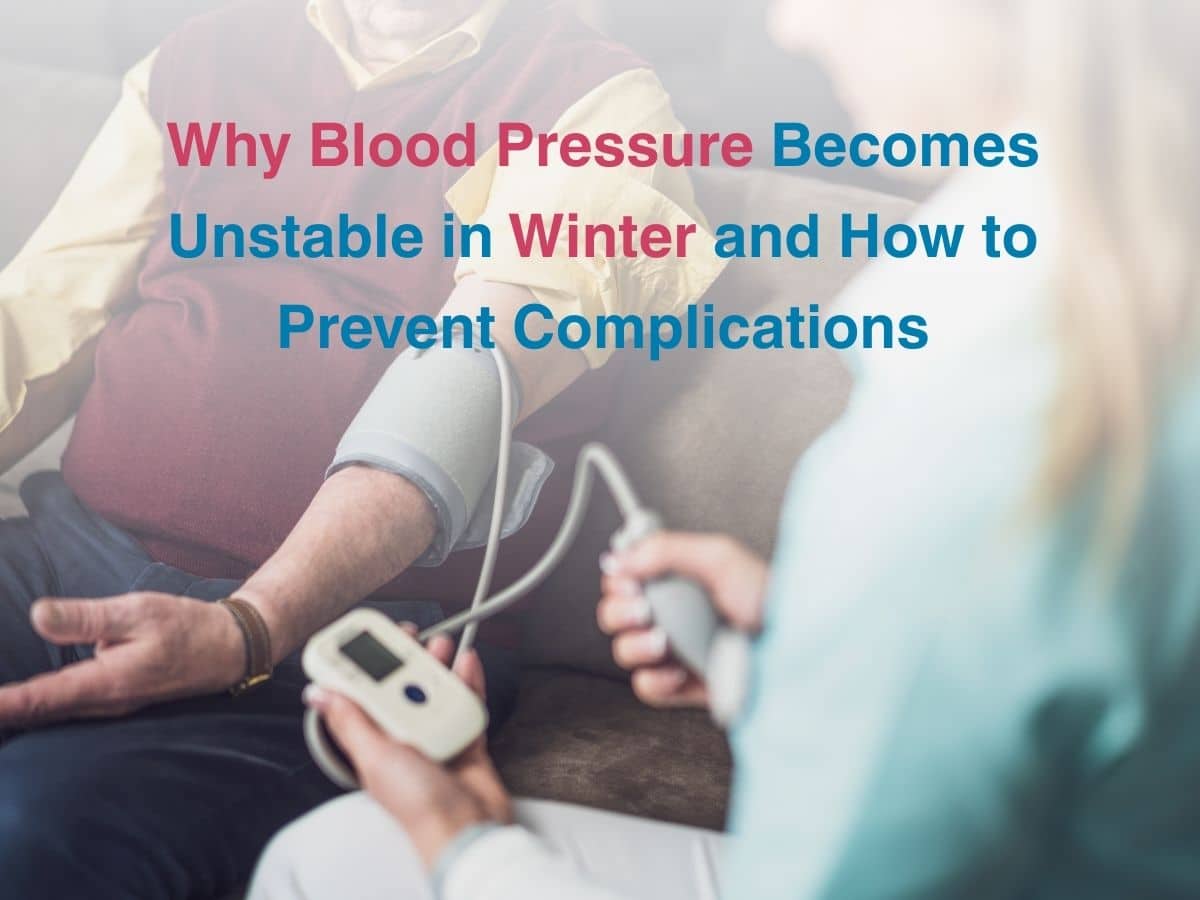
Most of us associate blood pressure with a constant 120/80 value, but this is wrong. This is just a reference range and lower and higher values are possible in the course of a day. Blood pressure needs to be a dynamic component as the way blood flows in different parts of the body can be different at different time points in a day. Hence it is never a static aspect. Blood pressure values change during the day due to changes in the amounts of fluid present in the body, temperature differences, salt concentrations and hormonal secretions, among other well studied factors. Cold weather and hypertension is a well studied phenomenon where people with high blood pressure complain of changes in BP, more so than usual in a day. This can mainly be attributed to the drastic drop in temperature associated with this season. Why blood pressure fluctuates is simple- your blood vessels constrict to preserve body heat. This means the heart has to work harder to push blood to all parts of the body- putting more pressure on blood vessel walls also, leading to high BP.
Managing Hypertension In Winter
This phenomenon where blood vessels constrict to increase body heat is termed ‘cold-induced vasoconstriction’ and it can largely be mitigated by dressing warm and not exposing yourself to very cold temperatures. But high BP is not the only concern in winter- some people may have to deal with low blood pressure too and this fluctuation from high to low values can be dangerous in the long term, if it is not looked into by a doctor. Cold winters can cause symptoms like the following if you have high BP-
- Headaches
- Flushed looking skin
- Quicker heart rate.
Since winter means shorter days and low amounts of Vitamin D, it translates to a sluggish or slow circulatory system- and the heart has to work extra hard to pump blood to all parts of the body. If you are inactive or sit in one spot for too long, you may have to deal with hypotension. This is also why doctors emphasise the need for short but brisk walks in the winter, all while being warmly dressed.
Blood Pressure Medication Adjustment
Your doctor will look at your BP values and decide if you need them changed- with respect to dosage or the medication itself. It is dangerous to self medicate or change dosage. A general rule of thumb is to go to the doctor if BP remains high – 140/90 consistently or low 90/60 even after making sustainable diet and lifestyle related changes. Untreated BP fluctuations can heighten your risk of suffering from strokes or a heart attack and can be damaging to the kidney in the long term.
Preventing Winter Heart Problems
People tend to choose hearty or heavy, greasy meals and snacks in the winter, as that can satisfy their cravings, but these combined with a sedentary lifestyle can worsen heart problems. These foods are also high in sodium, which can increase blood pressure unnecessarily. Along with food choices, people also tend to drink less water than usual, as it is cold and thirst related cues don’t work as well. So, in effect, you may be dehydrated and have high sodium levels- both of which can cause chest pain or discomfort. Dehydration can also show up as tiredness, dry skin and fluctuating BP readings.
Conclusion
The circulatory system is one which gets affected heavily once winter begins. This is mainly because blood vessels try to conserve body heat and keep the core warm. This can cause the heart to work harder than before and slow down circulation to the extremities. This is why it is important to dress warm in the winter. Apart from eating heart healthy foods and going for regular walks, it is important to check BP on a daily basis- so that you can monitor how effective your medications are. If there is no change and values are consistently higher or lower than normal, it is time to go to a specialist for a consultation and adjust dosage or medications accordingly.
Frequently Asked Questions
Why does blood pressure rise in winter?
How dangerous are winter blood pressure spikes?
How can I control my blood pressure in winter?
When should I see a doctor for BP fluctuations?
What symptoms indicate unstable blood pressure?