
Winter Chest Infections: Should You Be Worried?

Verified By
KIMS-SUNSHINE
Specialist,
12 December, 2025
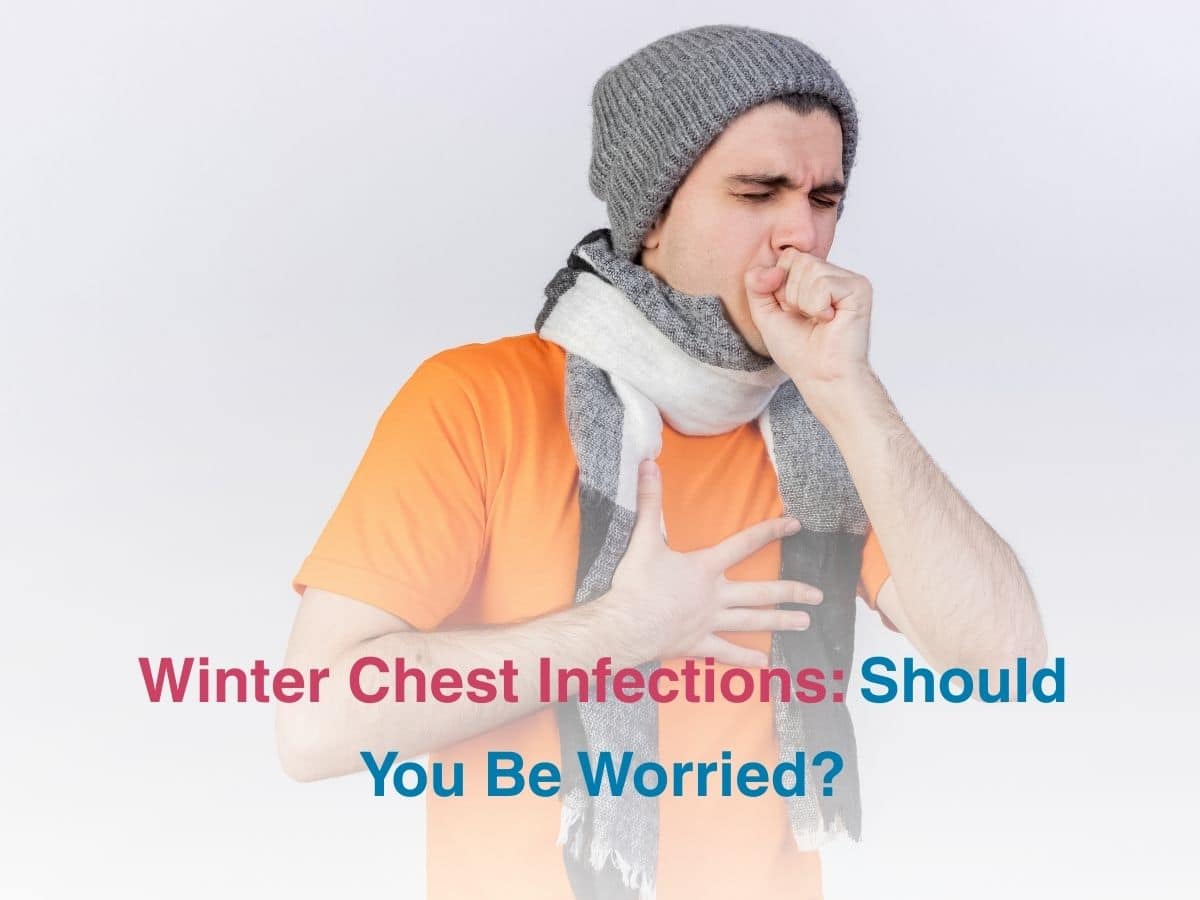
Do you always feel like winter brings upon the worst colds ever? As soon as the weather gets colder, respiratory and chest problems start showing up. People stay home all day and get little to no ventilation, which almost always leads to increased exposure to pathogens. Plus, cold air irritates our airways, making us more likely to catch infections. All of this together almost definitely makes everything worse. We shrug off our colds during winter by rationalizing that we have “just a bad cough,” but our colds could be mild viral illnesses or serious conditions like pneumonia. We need to know who’s more likely to get affected and when to seek medical care as knowing when to seek medical care is very important, especially if you’re more vulnerable.
What’s A Winter Chest Infection?
A chest infection is basically an infection in your lungs. It’s really common during winter because the cold weather affects how our lungs work as well as how microbes work. It could be caused by bacteria or viruses. Or both. It’s not all that common but it’s possible. The two most common infections during winter are bronchitis and pneumonia. Bronchitis affects something called the bronchial tubes. Think of them as the air-delivery system to your lungs. Bronchitis swells them up, causing them to get inflamed. You’ll get a cold as a result. Pneumonia is much more subtle- it sometimes shows up as a spy in disguise, acting like bronchitis, but it’s much, much worse. The severity and risks differ, based on what microbe is affecting you. So, don’t just listen to us, ask your doctor!
Catching It Early
These seemingly harmless infections start slowly and manifest as common colds. Continuous coughing, chest pain, tiredness and general discomfort are common early signs. You might experience a cold and fever as well, which can get worse over days.
As you get sicker, you’ll start feeling these symptoms more acutely. Signs like breathlessness, wheezing, chest tightness and coughing up yellow, green, or blood-colored mucus are a sign that you don’t have “just a cold.” You’ll have continued fever, chills and body pain if you’re infected by bacteria. You have to listen to your body and pay attention to what you’re going through, so that you can identify the symptoms early enough to visit a doctor.
Viral vs. Bacterial Infections
Do you take antibiotics the second you get a cold? Did you know that antibiotics are meant to treat only bacterial infections and a common cold is caused by a virus? Which means, taking an antibiotic for a viral infection is like celebrating Diwali on Holi. The sweets are delicious, but you’ll be left behind watching others play with colours.
Older adults and people with pre-existing health conditions are most likely to be affected. Viral infections are very common and rest is almost always enough to cure them. Bacterial infections are more severe and pneumonia is more common in bacterial infections.
How Serious Is It, Though?
Like we said, pneumonia is very serious. Sometimes, “normal infections” lead to pneumonia, and this could lead to hospitalization if left as-is, especially in older people. If you have had a high fever for too long, can’t breathe properly and your chest hurts a lot, don’t ignore your body. Just go to the doctor. It’s better to be safe than sorry.
When Should You See A Doctor?
Knowing when to visit the doctor is important too. It’s safer to visit the doctor when you feel like you must, but there should be a point where you think, “Yep, time to get to the doc.” If you feel like your symptoms are getting worse over a few days, go for it. If you feel like they’ve not gotten even a bit better for over a few days, go for it. Know when to give in. There’s no point in “toughing it out” because it’s your body at the end of the day. If coughing up blood isn’t a sign enough, then nothing will be.
Conclusion
Colds are very common during winter, but don’t underestimate what’s seemingly common. The sooner you recognize when it’s not a cold, the better and faster your treatment will be. Timely medical attention solves 80% of the issue. The remaining 20% will be solved by your doctor, don’t worry. Understanding how all of this works will help you make better, informed decisions for yourself. Remember, prevention is better than looking for a cure later!
Frequently Asked Questions
What are the early symptoms?
Who is at higher risk?
How do I know if my chest infection is serious?
Are winter chest infections viral or bacterial?
When is hospitalization necessary?