
Interstitial Cystitis: Chronic Bladder Pain Without Infection

Verified By
KIMS-SUNSHINE
Specialist,
22 January, 2026
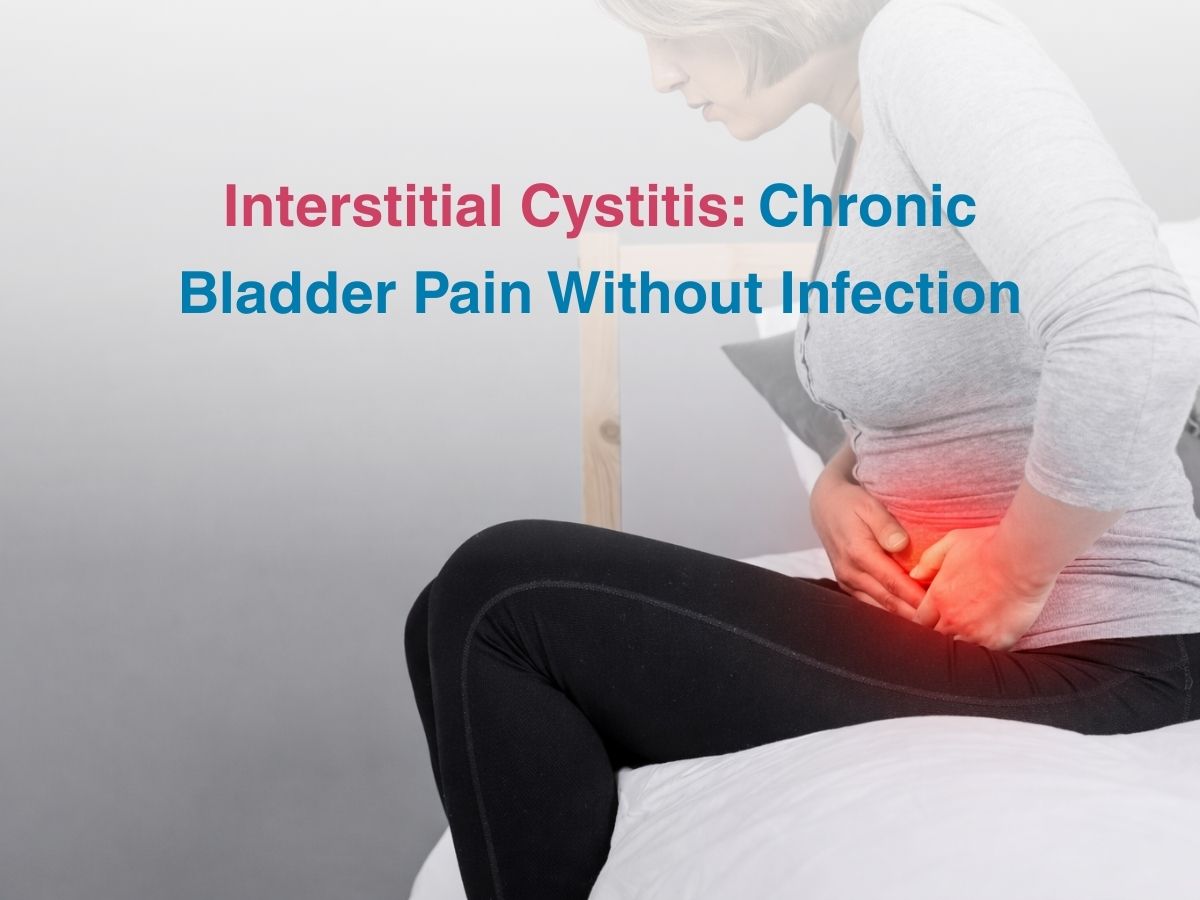
The urinary bladder is a muscular organ that is shaped like a balloon and stores urine, as the kidneys continue to filter blood throughout. It can hold about 500 ml of urine and has special transitional epithelium which helps it expand in size. When the bladder is full, nerves in the area send signals to the brain, signalling the need for urination. The bladder can get infected at times and cause pain and other related issues but what happens if there is severe bladder pain, but no infection is found? It may be interstitial cystitis- which is a chronic condition that comes and goes. Doctors don’t exactly know why some people suffer from this condition, though inflammation of the epithelial cells has been thought to be an issue. This condition has many names- frequency urgency dysuria syndrome, painful bladder syndrome or chronic pelvic pain condition. It affects more women than men, though the exact reason for that is unknown too.
Types and Symptoms of Interstitial Cystitis
Two types of IC have been found
- The first one is when ulcers are found in the bladder wall- this is not so common. They are called Hunner ulcers.
- The second one is when there are glomerulations or very small haemorrhages in the bladder wall- majority of IC cases come in this second category.
When you have symptoms for over 2 years and the bladder wall has become hard and non-elastic, it can negatively impact the bladder’s ability to expand- which is why you will feel the urge to pee way more often than usual. This is more common in individuals who have Hunner ulcers.
The trademark symptom of IC is frequent urination without infection. There is also sharp pain in the bladder region, you feel like you need to pee a lot, but you may pee really less instead. These symptoms tend to get worse in women when they are on their period.
Some bladder inflammation causes include suffering from an autoimmune condition, having severe allergies, proteinuria and infections that have not been identified yet. As mentioned before, no one really knows why IC happens and how it affects only some individuals and not everyone.
Diagnosis of IC
There is no specific confirmatory test for IC, but doctors still like to confirm that you don’t have an infection and will try to ascertain the severity of your symptoms and how much pain you are in.
- Urinalysis is done to check for blood and pathogens in urine, pus and white blood cells too. If you still show symptoms even after finishing a course of antibiotics, you may be diagnosed with IC.
- A biopsy may be done- where a needle is used to take a small piece of bladder tissue- to check its walls for inflammation, cancer or any other issue. You will be anaesthetised during the process.
- Cystoscopy- a tube with a camera is inserted via the urethra into the bladder- to check for cancer and other issues, but you will mostly not be anaesthetised for this procedure.
- Cystoscopy under anaesthesia with hydrodistension- A cystoscopy is inserted and then fill your bladder with water- to check its ability to expand, to visualise any cracks or structural issues in the wall. It is painful, so you will be anaesthetised.
Treatment of IC
IC is a chronic condition and there is no permanent cure- symptoms may come and go. They may be mild or severe. Certain foods may trigger pain, so avoiding them may help you feel better. Some common triggers include acidic foods, very sweet stuff and caffeine or alcohol or anything that can cause dehydration. Being too stressed can also worsen symptoms, so try to look for ways to manage stress effectively in the long term. Some exercise and stretching daily can probably help reduce the severity of your symptoms. Retraining your bladder to go longer between pee breaks can help too.
Medications like antacids, antidepressants and antihistamines can be used to reduce acidity of urine, reduce pain and urination frequency and even help reduce inflammation. Bladder instillation with DMSO and hydrodistension with sterile water can also help relieve symptoms. Botox injections to the bladder muscle wall are also pretty effective in paralysing them and reducing pain. If no treatments work, then your doctor may recommend surgical removal of the bladder.
Conclusion
Interstitial cystitis is a chronic condition that comes and goes and it may get worse due to specific triggers. This needs proper management with lifestyle changes and medications- so that there is lesser inflammation and your quality of life does not suffer too much with the constant need to pee. Even with medication, it can take a while for you to feel better. Talk to a urologist or specialist at KIMS Sunshine Hospital if you face abovementioned symptoms, but have not been able to get a clear diagnosis as to what the underlying issue is.
Frequently Asked Questions
What is interstitial cystitis?
How is IC different from a urinary tract infection?
How is IC diagnosed?
What treatments help relieve IC symptoms?
When should a urologist be consulted?