
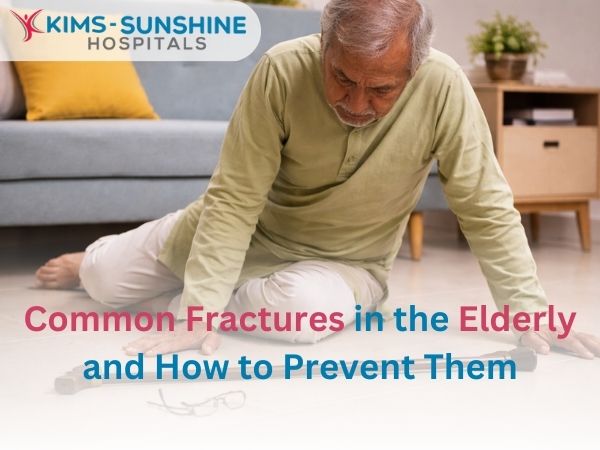
Common Fractures in the Elderly and How to Prevent Them

Verified By
KIMS-SUNSHINE
Specialist,
20 October, 2025
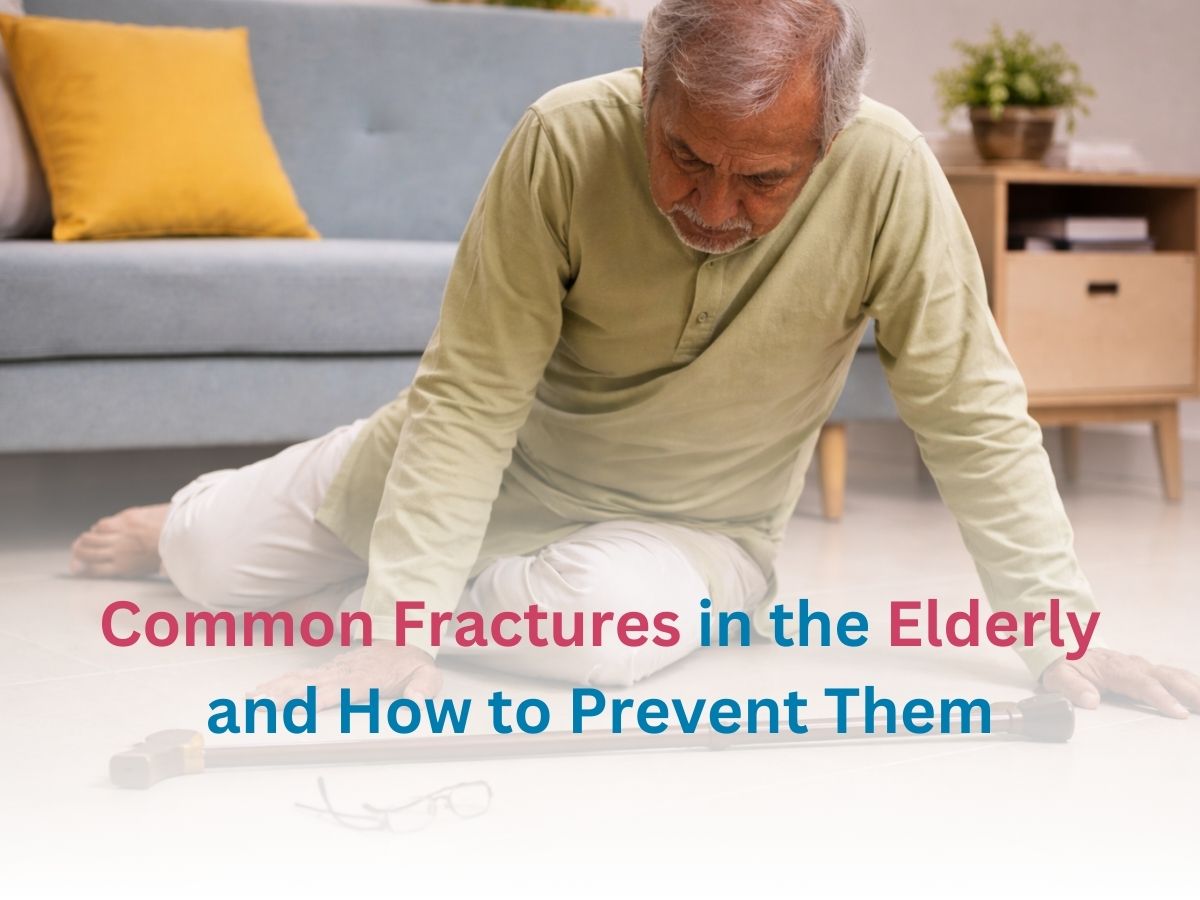
Fractures in the elderly are termed geriatric fractures by medical professionals. Fractures occur in rare cases- when too much force is applied on the bone and it breaks.Even seemingly trivial trauma or minor falls can result in fractures in older adults due to reduced bone density and strength. Bones, like other tissues in your body, can get worn down as you age. This can in turn cause your bones to get fractured. If you have chronic conditions like osteoporosis or bone cancer, then bone health gets affected severely and you are at a much higher risk of suffering from falls in such cases.
Osteoporosis And Fracture Risk In Elderly
Osteoporosis is a condition where bone density reduces, increasing your risk of suffering from a break or fracture. This is most common in older individuals. It is mostly dismissed as a symptom of ageing- as people associate joint and bone pain with advancing age. Osteoporotic fractures mostly occur in the hips, wrist, shoulder or spine in the elderly. The second cause for fractures is accidental slips or falls.
Another problem that they face is slower healing time- which is due to ageing itself, and poorer circulation. That means treatment cannot be a short term regimen. It has to be systematic and should be done for longer periods of time. Comorbid health conditions are another factor which can slow down healing. Elder individuals also may not be able to move as freely as before and hence will require rehabilitation to get better.
Calcium And Vitamin D For Bone Health
As people get older, they may not be able to eat well, which can affect nutrition and health in the long term. Calcium and Vitamin D are two very important nutrients that are available from food, but eating less can make bone loss happen faster. Vitamin D helps your bones absorb required amounts of calcium from the blood. Magnesium helps Vitamin D work better. Calcium itself is a mineral that is needed for strong bones and teeth and is used for other processes in the body- like signalling and hormone production.
Fall Prevention Tips For Senior Citizens
Since accidental slips and falls are one of the main reasons for fractures in the elderly, coming up with ways to prevent them becomes necessary. This means you should focus on helping them improve their strength and help them rearrange their homes- so there is easier and better access to everything they would need during the course of a day. Some preventive measures to know of are-
- Ensuring that there is enough light in all rooms.
- Making sure all carpets or rugs and mats are fixed and have anti-skid surfaces.
- If you have spilt something, cleaning it up immediately is a good idea.
- Older folk need to get their eyes and ears checked annually, as that can help them notice hazards or listen to warnings in time.
- Regular exercise is essential- to maintain bone and joint health and retain range of motion.
- The use of grab bars in and around home – especially in the bathroom is important. Most fractures occur when people try to prevent falls from happening, but don’t succeed anyway. Hand rails and anti-skid mats should be present wherever possible.
- Straining too much is also bad while moving- so using walkers or orthotic devices can also help.
- Make sure to be careful and slow while climbing up or going down any stairs.
- Ensure that older individuals wear the right kind of footwear which fits them well.
How To Improve Bone Density Naturally?
The answer to this question lies in your diet- eating foods rich in calcium, magnesium, phosphorus, Vitamin D, K and supplementing wherever necessary can help improve bone density. Another sure fire way is to exercise regularly- lifting proper weight, walking or swimming can all help.
Conclusion
Fractures are a common ailment in the elderly and as wear and tear gets worse due to advancing age, bones get more brittle due to chronic conditions or they may be more vulnerable to falls. Healing takes longer in older people and hence, the treatment regimen should involve rehabilitation and give enough time for proper recovery. Even if you have broken a bone or had a fall, don’t worry. Talk to your doctor, so they can help address any concerns you may have. Recovery will take several weeks or months depending on severity of trauma, the fracture type, post-fracture rehabilitation and overall health of an individual. Remember never to rush recovery!
Frequently Asked Questions
What are the most common types of fractures in older adults?
Why are elderly people more prone to bone fractures?
How can nutrition and exercise help prevent fractures in seniors?
What are the early warning signs of weak bones?
How can home safety help reduce fall-related fractures in the elderly?