

Cycling and Knee Pain: Myths vs. Facts

Verified By
KIMS-SUNSHINE
Specialist,
06 January, 2026
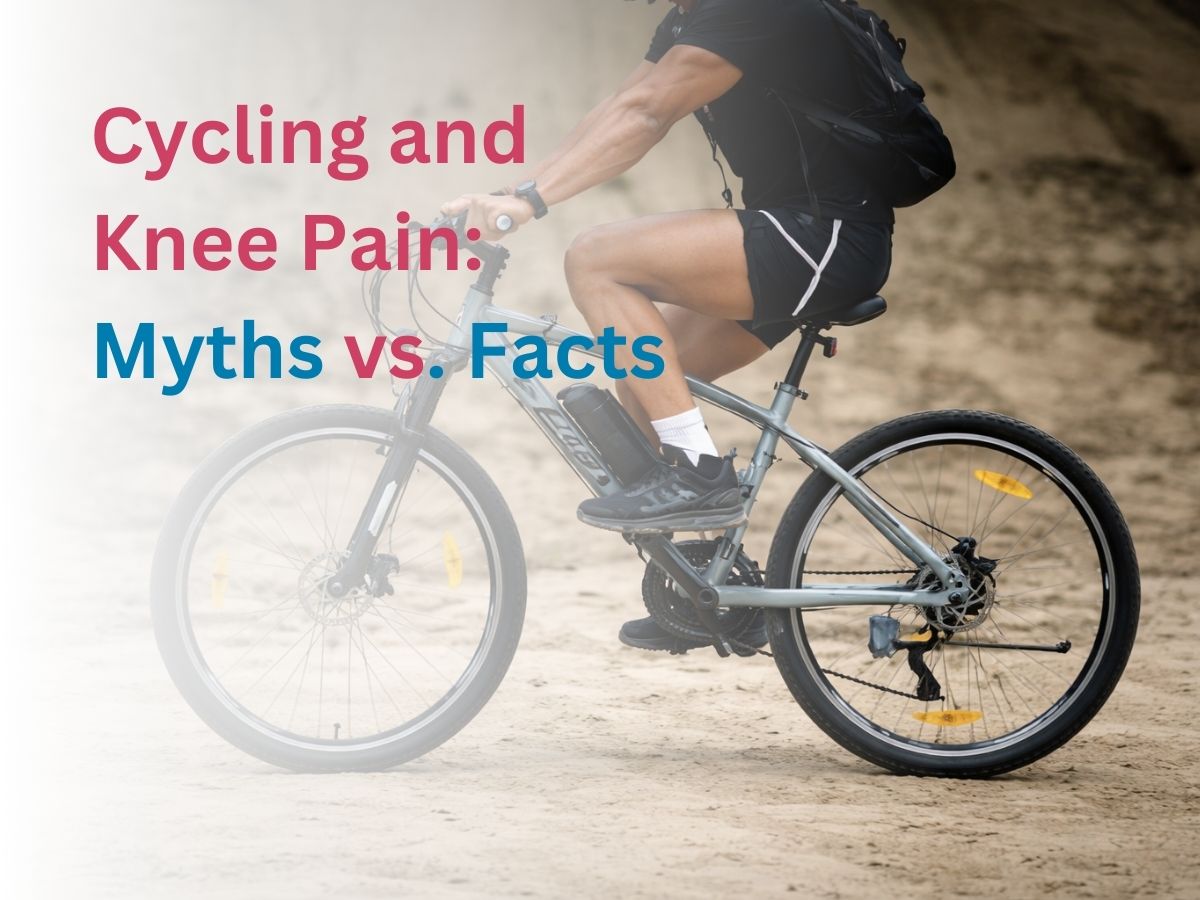
Cycling everyday is a great way to get some physical exercise, enjoy some fresh air and improve joint and bone health in the long run. But, many people complain of knee pain afterwards and blame it on cycling itself. Knee pain is not usually caused by cycling itself, but can begin or get exacerbated due to pre-existing knee issues, poor bike fit, wrong technique and related conditions. Even though cycling by itself seems simple once you get the hang of it, it is time you understand how the finer aspects can help you continue exercising for a long time and stay injury free.
Knee Pain From Cycling – Myth Or Fact?
A common myth that most individuals seek to perpetuate is cycling regularly can increase knee pain.
But, the fact is, it is NOT! Cycling at a slow or moderate pace can help your joints because it is a low-impact activity. It is safer than running or jumping, in fact. You should keep the seat at the right height, work on correct form and cycle short distances before going for longer rides and not overdo it in the first go. These measures are really helpful when you want to get into cycling long term.
Cycling Knee Pain Causes And Prevention
Let us try to understand why people complain of knee pain after cycling for a few days, months or even years. We have looked at 4 different scenarios below-
- Pain in the front of your knee– If your knee cap is painful, then it may be due to your seat being at the wrong height and is too low. So, adjust the saddle height and check again. If the seat is too low, then the angle of your knee can get too tight, putting you at risk of suffering from tendonitis. The correct height is achieved when you have sat down on the seat and your resting heel on the pedal makes your knee stand straight, when you assume a 6’o clock position with the pedal.
- Pain in the back of your knee- This happens when your seat is too high and you end up over-extending the knee to compensate. The hamstrings get affected the most in this case. So, stretching may help ease tension and pain.
- Pain on the inner and outer sides of your knee- Your feet are not properly situated on the pedal and this can interfere with your pedaling. So, buying the right shoes with proper cleats can help you. Not pedaling properly can also put stress on the outer side too.
These are some cycling form and knee alignment tips that you should know about, so that you stay strain and injury free.
Conclusion
We have explored the different reasons for knee pain after cycling in this blog. It is important for you to understand that cycling in the right way can help relieve and prevent knee pain. When you cycle in the wrong way- when your seat is too low or high, too near or far from the handlebar and if your pedals are not properly aligned, then you may have to compensate in some way to ride properly. This can cause pain. Also, not warming up by stretching can leave you vulnerable to injuries more often than not. You need to dress in the right way, use the right shoes and then begin slowly. Talk to your doctor about what else may be wrong, if knee pain persists, even after you have made necessary changes to your gear and cycle.
Frequently Asked Questions
What are the best ways to prevent knee pain while cycling?
What are the most common reasons cyclists experience knee discomfort?
How does bike seat height or posture affect knee pain?
Can cycling help strengthen the knees instead of harming them?
When should I see a professional about cycling-related knee pain?