

Tech Neck: How Modern Lifestyles Are Causing Spine Problems

Verified By
KIMS-SUNSHINE
Specialist,
23 September, 2025
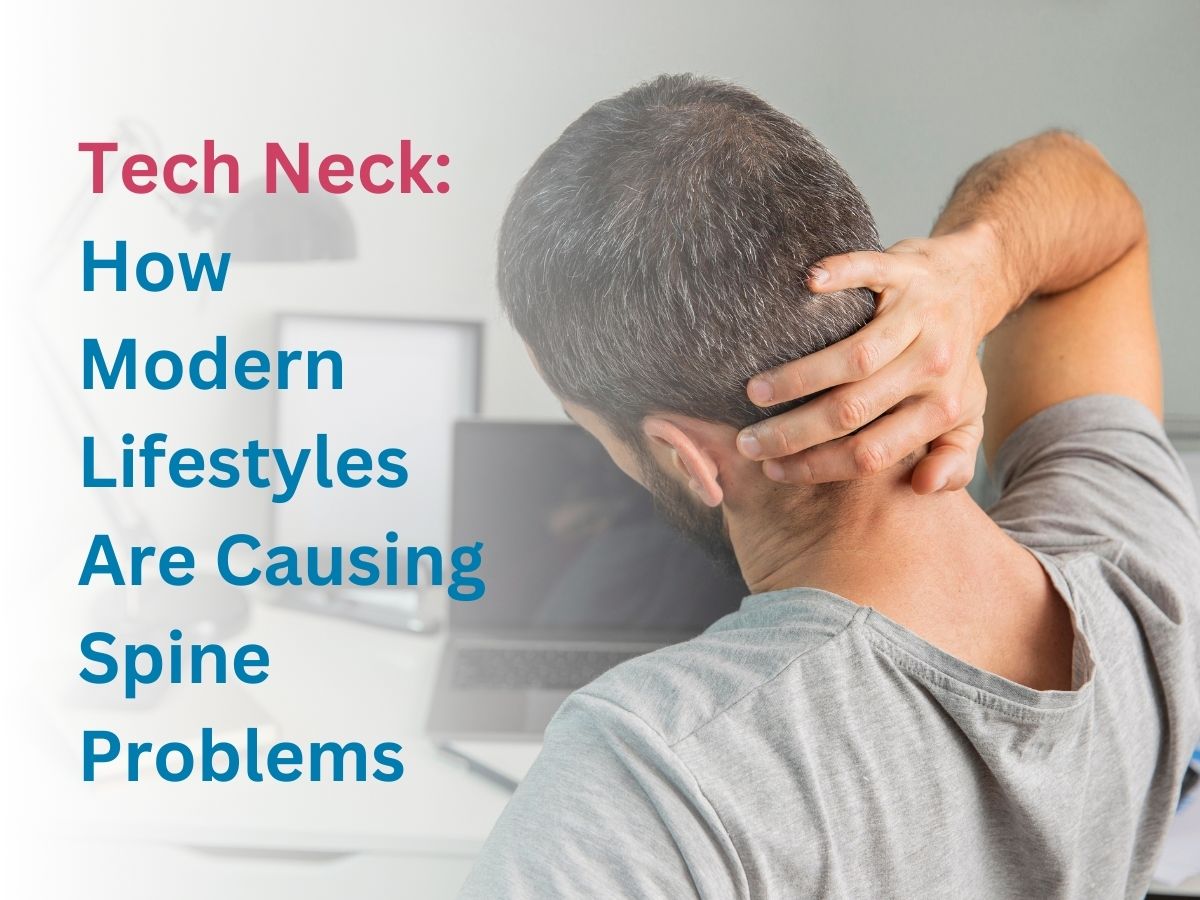
Our neck and spine health nowadays faces a formidable adversary in the form of forward head posture that creeps in silently yet relentlessly amid our daily errands with smartphones and laptops- gradually reshaping the cervical spine’s natural curve into an unnatural alignment; this modern malady, often unrecognised until discomfort becomes unavoidable, is compounded in India by long commutes and sedentary work patterns that further exacerbate neck strain, creating a perfect storm where ancient postural design clashes with contemporary digital demands. A thoughtful reevaluation of how we maintain spinal harmony in a rapidly evolving lifestyle is hence the only way out of this maze we put ourselves in, every single moment of every day.
Smartphone Neck Pain
Smartphone neck pain acts like a tightening noose around the cervical region, a direct consequence of the habitual screen gaze where heads are inclined forward and downward for prolonged periods, imposing a disproportionate load on neck muscles and vertebral discs. This disproportionate strain can be compared to carrying an invisible weight that grows heavier with every minute lost to poor posture – a scenario all too common in the Indian context where smartphones serve as portals to work, social connection and entertainment. The persistent discomfort and stiffness it breeds call for a deliberate strategy to break cycles of overuse and neglect and take a much deserved break from it all.
Desk Job Spine Issues
Desk job spine issues arise as the silent epidemic among office workers who find themselves trapped in fixed postures that undermine the structural integrity of their spines; the static nature of desk work promotes forward head posture and rounded shoulders, which compress the cervical spine and engender muscular tension that, over time, escalates into chronic neck stiffness and pain. In India’s burgeoning corporate sector, where ergonomic workspaces are still gaining awareness, the consequence is a growing number of individuals grappling with debilitating neck and upper back complaints, signalling an urgent need for ergonomic posture correction and workplace redesign.
Chronic Neck Stiffness
Chronic neck stiffness is the physical manifestation of prolonged postural neglect- a lingering tightness that acts as both symptom and warning, signalling the gradual loss of flexibility and function in the cervical spine. Rooted in sustained forward head posture and muscle imbalances, this stiffness transforms from an occasional annoyance into a constant companion that hampers movement and diminishes quality of life; among users of multiple digital devices, its prevalence underscores the widespread impact of tech neck and the pressing necessity for intervention before the condition results in irreversible structural changes.
Tech Neck Solutions, Posture Improvement Exercises
Posture improvement exercises work as corrective currents that soothe and realign a spine battered by years of neglect and poor habits, guiding the neck back into its natural, supportive curve. Exercises such as chin tucks, shoulder blade squeezes, and gentle neck stretches reawaken muscular function and counteract the habitual tightness of tech neck, empowering individuals to reclaim control over their posture. When practised consistently alongside mindfulness about daily device use, these exercises offer a practical and empowering way for Indian users to mitigate digital device posture problems and foster enduring neck and spine health.
Conclusion
Tech neck, a consequence of our deeply intertwined relationship with digital technology, poses a significant threat to neck and spine health, especially within the Indian context where lifestyle, work culture, and overuse of technology create fertile ground for forward head posture and its damaging sequelae. By recognising the warning signs of smartphone neck pain and chronic neck stiffness and embracing tech neck solutions centred on ergonomic posture correction and posture improvement exercises, it is possible not only to alleviate pain but to restore the natural vitality of the cervical spine. In doing so, individuals reclaim not just comfort but the freedom to move, work, and live fully in a world increasingly dominated by screens.
Frequently Asked Questions
What is tech neck and why does it happen?
What are the warning signs of tech neck?
Can poor posture from phones and laptops damage the spine?
What daily habits can reduce tech neck?
How effective are exercises and ergonomics in preventing neck pain?