
Endometriosis: Chronic Pelvic Pain and Its Impact on Fertility

Verified By
KIMS-SUNSHINE
Specialist,
23 February, 2026
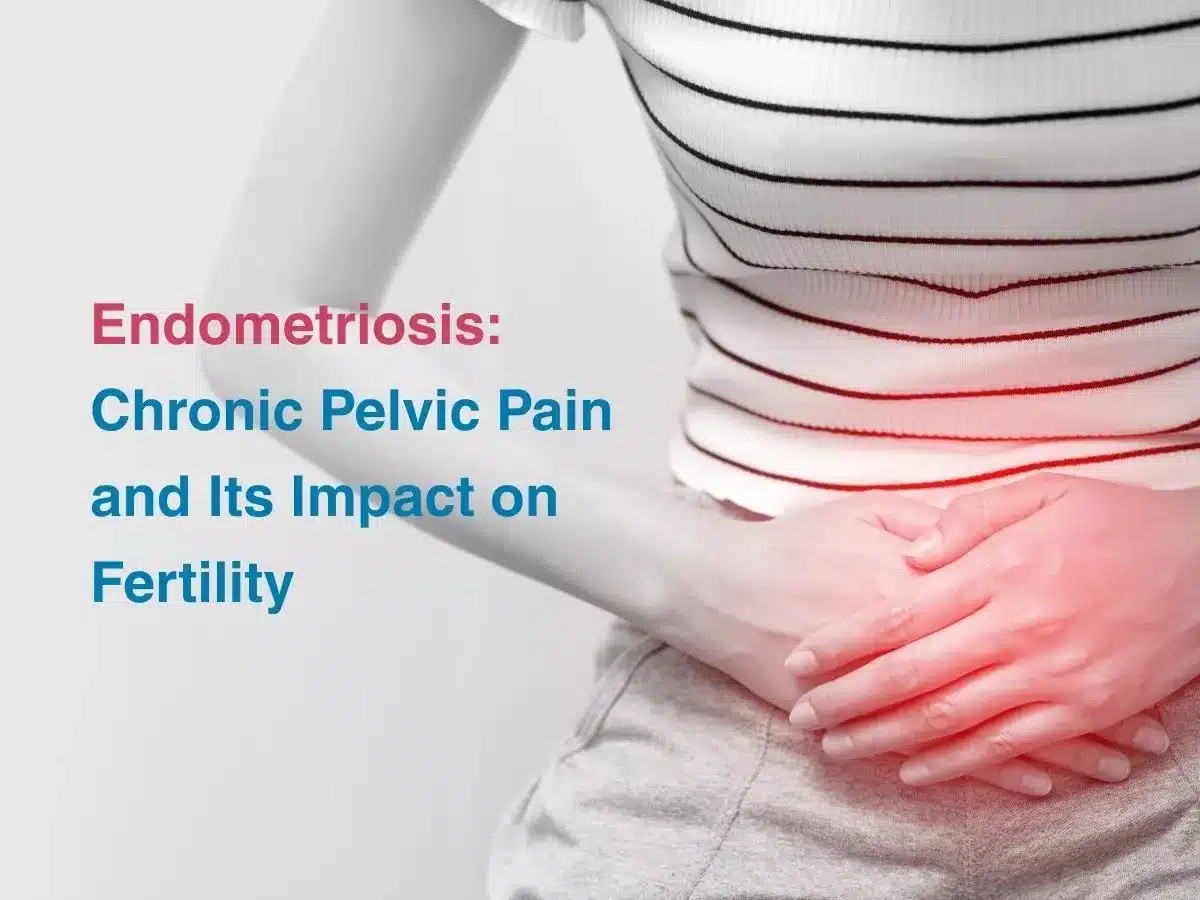
The endometrium is a thin, blood vessel rich layer present in the inner side of the uterus. These cells grow and become a thick layer every month and are shed during the period when fertilisation has not occurred. The layer remains and grows to support implantation and pregnancy if fertilisation has happened. In some cases, the cells that make up the endometrium grow outside of the uterus- elsewhere in the abdomen, causing endometriosis. If you have debilitating pelvic pain, very heavy periods or fertility issues, you should consult a specialist at KIMS Sunshine- the best gynaecology hospital in Hyderabad without any delay.
Causes for Endometriosis
The exact cause for endometrial tissue to grow in the abdomen and not within the uterus alone has not been found yet. Experts think it may be due to hormonal fluctuations, retrograde menstruation or immune system disorders. Endometriosis is a major public health concern for women in the Indian subcontinent, as studies have shown that it affects almost 15% of women in the reproductive age and diagnosis is often delayed, significantly lowering quality of life as a result.
Endometriosis Symptoms
Symptoms are mainly felt, based on where endometrial tissue begins to grow within the abdomen. Some places where endometrial tissue can be found include the space behind the uterus, in the ovaries, peritoneum, fallopian tubes or the myometrium though it can grow elsewhere too- like the bladder, intestines, rectum, vagina, diaphragm, or even the lung in some severe cases of deep infiltrating endometriosis. So, some of the symptoms include-
- Extremely debilitating pelvic pain
- Very painful cramps while on your period.
- Severe pain in the back or abdomen when you have your period.
- Heavy to very heavy menstrual bleeding every month with spotting in between each cycle.
- Pain during sexual intercourse.
- Issues like constipation, diarrhoea etc.
Some women are asymptomatic and only find out when they are not able to get pregnant. This means there is a close relationship between endometriosis and infertility in some respect. There are other women who are still able to get pregnant, even with endometriosis and having scar tissue. So, this condition differs for everyone.
Diagnosis Of Endometriosis
A pelvic exam is done if you report symptoms like severe pelvic pain and very heavy periods. Imaging is normally used to check for tissue growth- ultrasound or abdominal MRI work fine in this case.
But, for a definitive result, a laparoscopy diagnosis is recommended, where during the same time, suspicious looking tissue can be excised and removed during the laparoscopy procedure itself. At times, tissue invasion into other parts like the ureter, bladder, intestine, vagina etc, may be deep, so specialized surgery will need to be done to remove all endometriotic lesions, without causing damage to surrounding tissue. For this, surgeons specialising in those areas like a urologist or colorectal surgery may be called upon for their expertise.
Treatment Of Endometriosis
Endometriosis treatment options depend on your age, severity of symptoms, whether you’d prefer to have children in the future and how severe endometriosis itself is, with respect to its growth and spread within the abdomen. Medications include the use of hormonal birth control, gonadotropin releasing hormone antagonists which stop your menstrual cycle from occurring or similar drugs. You will have to continue taking them for as long as needed, as symptoms will return if you stop. These drugs are not very useful however, if you are trying to get pregnant. So, surgery may be recommended, before you attempt for conception.
Surgery includes minimally invasive laparoscopic procedure- that can image areas in the abdomen and also remove any endometrial tissue wherever found.
In very severe cases, a complete hysterectomy or surgical removal of the uterus may be the only viable option.
Conclusion
Endometriosis is chronic and will affect a woman for life. Surgery is not a one stop solution either, as tissue can grow again and cause symptoms. If endometriosis is not treated, it can lead to complications like adhesions, cysts, or scar tissue formation which can worsen pain in the long term. So, talk to an experienced gynaecologist to understand the severity of your condition and check which treatment approach would work for you best. So, call our specialists at the best gynecology hospital in Hyderabad today!
Frequently Asked Questions
What is endometriosis?
Why does endometriosis cause severe period pain?
How is endometriosis diagnosed?
What treatment options are available?
Does pregnancy cure endometriosis?