
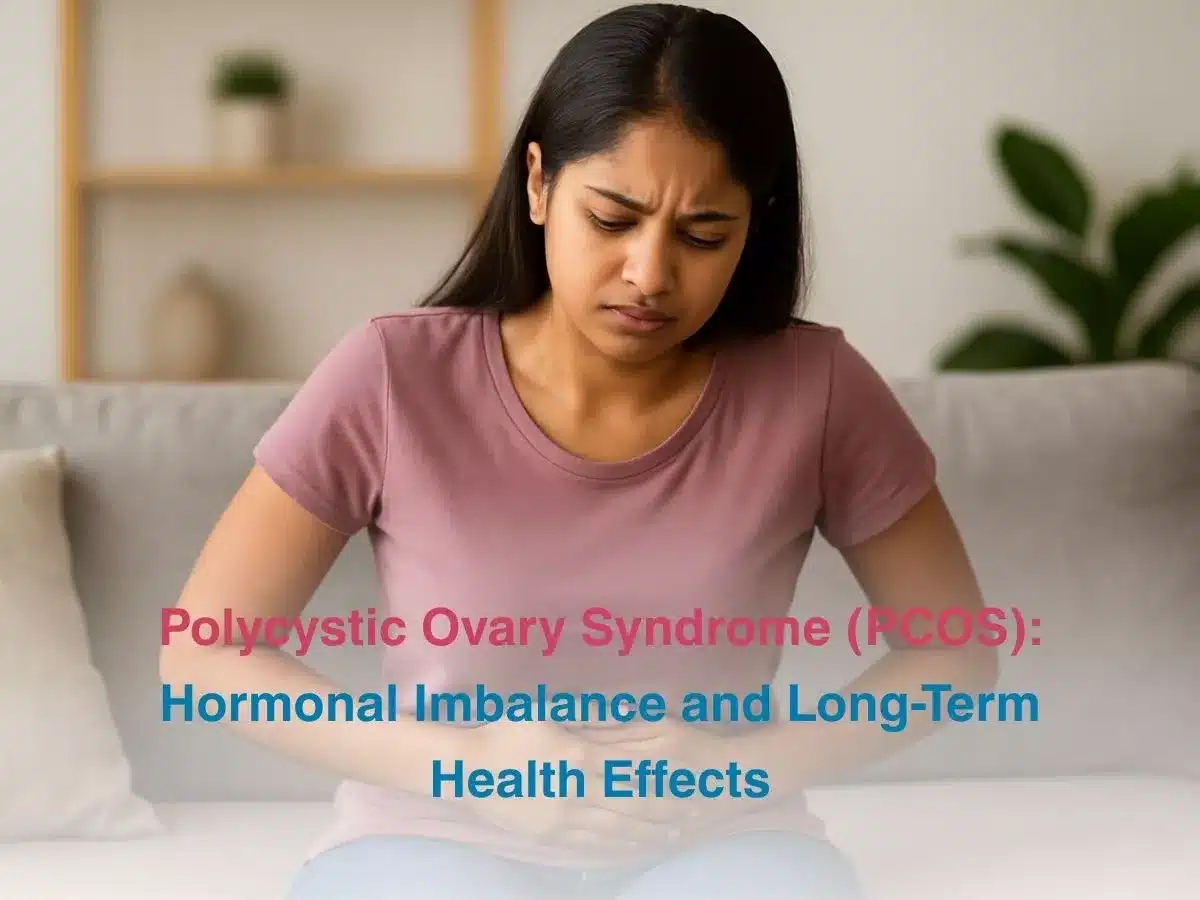
Polycystic Ovary Syndrome (PCOS): Hormonal Imbalance and Long-Term Health Effects

Verified By
KIMS-SUNSHINE
Specialist,
26 February, 2026
Polycystic ovarian syndrome, commonly known as PCOS is a complex and fairly misunderstood endocrine disorder that has been affecting the majority of women around the world. Estimates show 10 to 20% of reproductive women suffer from PCOS. These statistics are believed to be higher in urban women. Since PCOS disturbs the very core mechanisms of metabolism, reproduction and growth, most women with this condition suffer from fertility issues, metabolic health conditions and reduced quality of life. You should consider talking to an experienced endocrinologist at the best hospital in Hyderabad, in such cases.
Understanding PCOS And Its Symptoms
Polycystic ovarian syndrome is not a single disease, rather it is a combination of various metabolic health issues with involvement of multiple systems- making it a syndrome. The main disruptor in this condition is the male hormone called androgen, which is seen to be elevated highly in women with PCOS. This abnormal elevation of androgen can disrupt ovulatory functions and even cause diabetes due to insulin resistance.
PCOS Symptoms
The diagnostic criterion includes 3 main symptoms, among which presence of any 2 can be confirmatory of this condition.
- Irregular or absent periods: The most common symptom seen in women suffering with PCOS. Women may experience irregular periods, infrequent or prolonged menstrual cycles and sometimes no periods at all. This can directly impact the release of eggs in women, causing infertility.
- Hyper-androgenism: Increased male hormones like androgen and testosterone in women can produce male characteristics in women like hirsutism or excessive unwanted hair growth, acne and male pattern baldness.
- Polycystic ovaries: Some women may or may not experience all symptoms of PCOS, but an ultrasound scan can reveal the health of the ovaries. Women suffering with this condition have multiple, small cysts on the ovaries, as these cysts are basically immature follicles that appear on the periphery of the ovaries due to hormonal imbalances.
Hormonal Imbalance In Women
As discussed, PCOS is a complex condition that involves hormones majorly. The major hormonal imbalance includes elevated androgens like testosterone and increased insulin resistance that can cause excessive weight gain and an imbalanced ratio of LH & FSH hormones.
PCOS Treatment Options
Management of PCOS is individual and patient specific. The exact reason for PCOS occurrence is vague and unknown, hence treatment includes lifestyle modifications like balanced diet, regular exercise, medications like birth control pills that are often prescribed to regulate periods and androgen levels respectively. In severe cases, insulin sensitizing drugs are prescribed to improve insulin resistance. Hormonal medications that are anti-androgenic in nature are prescribed to help with hirsutism and acne. In women with PCOS who are trying to conceive, ovulation inducing drugs are prescribed along with assisted reproductive technologies like IVF.
Long-Term Complications PCOS
PCOS is a chronic condition, hence if left untreated it may cause long term systemic complications. This majorly includes-
- The early onset of type 2 diabetes mellitus.
- Increased risk of high blood pressure and high cholesterol levels in blood
- Infrequent ovulation can cause irregular shedding of endometrium, leading to endometrial cancer in some women.
- Sleep apnoea
- Mental health issues
These are some major complications that require addressing and prevention.
Conclusion
Polycystic ovary syndrome is an omnipresent and demanding condition with great complexity due to the inclusion of various organ systems in the body. Proper diagnosis with a comprehensive approach and timely management can help women effectively control their symptoms and move towards the path of improvement. Following up with regular check-ups, making healthy lifestyle choices and adjustments, navigating the progression of their condition through regular ultrasounds- these are some long term measures that can help women, after they have been diagnosed with PCOS. So, if you have any questions or concerns, call our endocrinologists today!
Frequently Asked Questions
Why does PCOS cause weight gain?
Is PCOS a lifelong condition?
What treatments are available for PCOS?
Does PCOS increase diabetes risk?
When should medical consultation be sought?