

Lichen Planus: An Autoimmune Skin Condition Affecting Skin, Nails, and Mouth

Verified By
KIMS-SUNSHINE
Specialist,
16 March, 2026
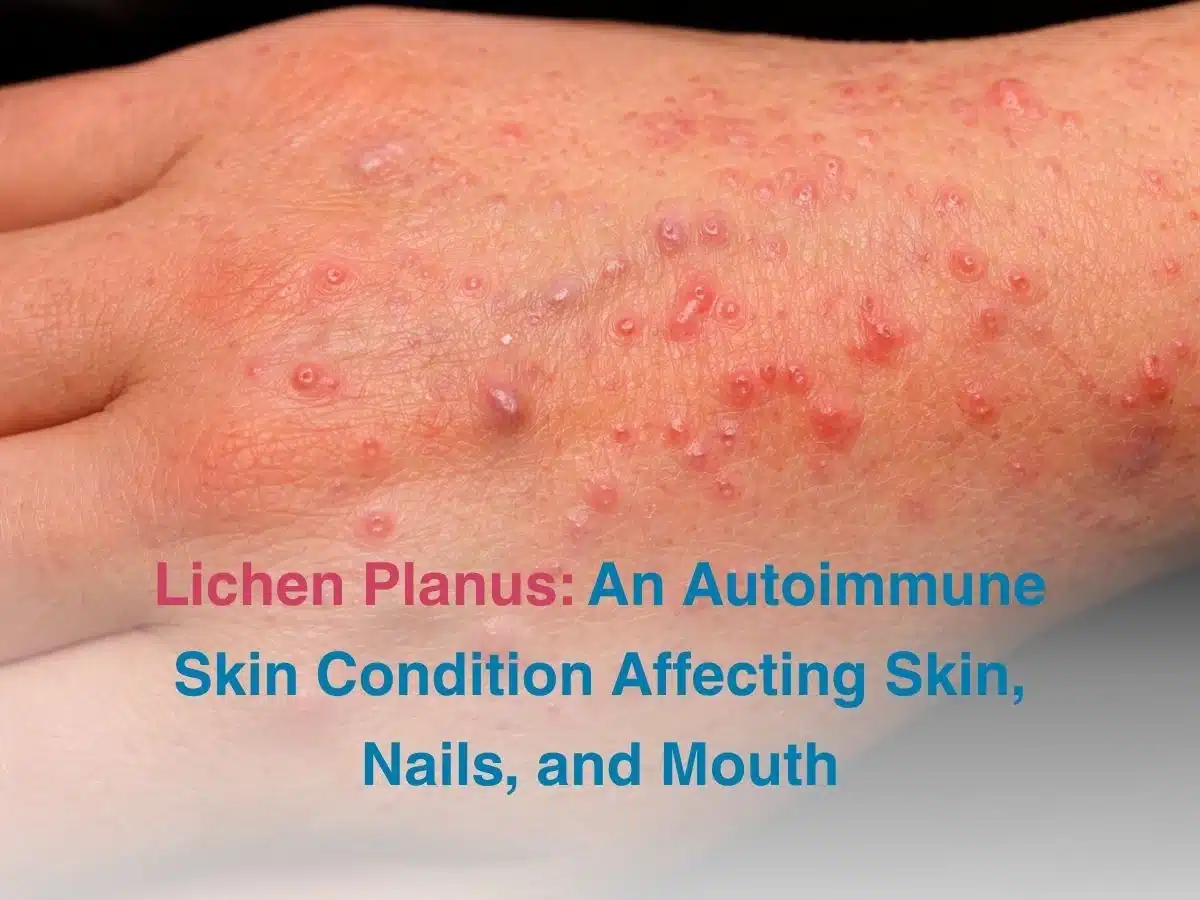
Lichen planus is a skin condition that can cause rashes to form in different parts of the body. It is a chronic inflammatory skin disorder which tends to get better even without any treatment. But, the symptoms can be hard to deal with and affect quality of life at times. So, if you notice symptoms like an itchy purple skin rash, get in touch with our specialists today, as KIMS Sunshine is the best dermatology hospital in Hyderabad.
Lichen Planus Causes-
Lichen planus is a non-contagious skin condition where bouts of inflammation can cause sores and itchy rashes to form. They may or may not scar eventually. It can affect your nails, skin and oral mucosa. It is not entirely autoimmune either, but t-cells in the body attack specific skin cell proteins. The exact reason as to why there is an immune component to this condition is not known.
It is important to remember that this condition cannot spread from one person to another due to physical or sexual contact.
Some of the causes for such rashes to form or flare ups to occur include-
- Getting vaccinated for some condition.
- If you use specific medications to deal with hypertension, arthritis or heart disease.
- If you have hepatitis C viral infection.
- If you use NSAIDs regularly.
- If you are exposed to certain chemicals.
Lichen Planus Symptoms-
Lichen planus can affect the nails, oral mucosa or skin cells. So, symptoms will also differ accordingly-
- An itchy purple skin rash
- You may also notice tiny bumps on the skin- they may be very small or grow as big as the width of a pencil or may even become sores later on. They are mostly observed in the groin.
- Oral lichen planus lesions mean you may have white dot like structures in the sides of the mouth, tongue, lips.
- Nail lichen planus changes include colour changes, nails becoming brittle and breaking off or a complete stop in nail growth.
The rashes or bumps don’t hurt. But, they may be itchy and when you scratch them too hard, your skin may break and place you at a high risk of suffering from an infection.
Talk to a specialist now.
Lichen Planus Diagnosis-
Dermatologists normally look for certain characteristics for skin conditions and will also ask you detailed questions about your symptoms. These are the 6 Ps or skin properties that help a doctor diagnose lichen planus accurately-
- Pruritis– if it is very itchy.
- Polygonal– if sharp angles in your rash outline are observed.
- Planar– the top part of the rash is flat.
- Purple papules– Purple coloured bumps on the skin.
- Plaques– discoloured, raised patches of skin.
Blood tests to check for hepatitis C infection are done. An allergy test can be prescribed to understand what triggers lichen planus flare ups for you individually. A biopsy may be recommended in certain cases.
Lichen Planus Treatment Options-
Since chronic inflammation causes symptoms, managing it can help reduce severity overall. The use of corticosteroid creams and antihistamines can help. Phototherapy or light therapy with UVB rays can help soothe skin.
Immunosuppressants can be given to modulate immune response. Retinoids or Vitamin A derivatives can be used as serums or creams to increase collagen and blood supply in skin cells.
Home care can include the use of soothing aloe vera gel, oatmeal bath and learning to manage stress better.
Conclusion
Lichen planus can be triggered by a variety of causes- so you need to be careful about what skin products you use, what foods you eat and try not to smoke or get exposed to chemicals. Maintaining oral hygiene is super crucial and if certain dental fillings are causing your symptoms, you can ask for hypoallergenic amalgam options. Talking to an experienced dermatologist can help you identify the condition, its severity and help you manage and treat them in the long term. So, call us at KIMS Sunshine Hospital today, if you have been searching for Dermatology Hospital Near Me, online.
Frequently Asked Questions
What is lichen planus?
What are the common symptoms of lichen planus?
Is lichen planus contagious?
Can stress trigger lichen planus flare-ups?
When should someone see a doctor for lichen planus?