

Seasonal Joint Pain in Cold Weather: Medical Causes and Treatment Options

Verified By
KIMS-SUNSHINE
Specialist,
13 December, 2025
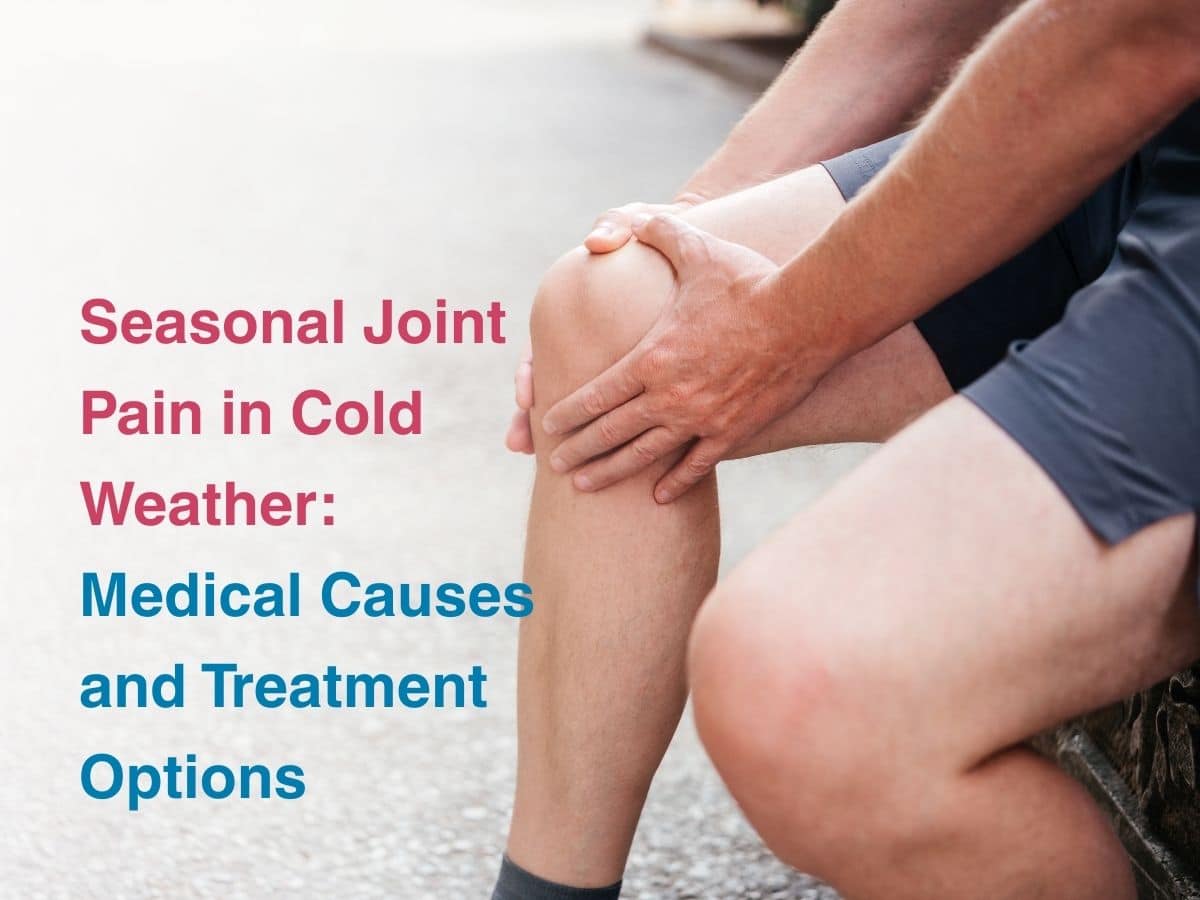
Winter is like a hub for joint pain. The colder it gets, the stiffer our knees and backs get. The same joints we used to run in summer hurt like hell during winter. If this is the case for healthy people, winter can do a bad number on people with pre-existing joint conditions. Medically, it’s clear as to why joints misbehave during winters. Cold weather doesn’t directly cause pain, but it influences how our body reacts to “normal movement.” Individuals must understand why joints hurt more during winter and if it’s a cause for medical attention and if it is, what should be done. That’s where we come in.
Why Do Joints Hurt More In Winter?
Winter is a major factor for joint pain that affects almost all of us. One obvious reason is how the temperature drop affects our blood-flow. Colder conditions cause our blood vessels to close-in on each other. This is called constriction. This leads to decreased circulation to our body parts, especially joints. Altitude changes can also lead to pain. Some people are more sensitive to this level change, which leads to pressure in the joints. Not everyone experiences this, but people with arthritis and chronic joint pain experience discomfort more often than others.
Cold Weather And Arthritis Pain
Osteoarthritis is the wear and tear of ageing joints. Imagine your car wheels after 5 years of usage. That’s what happens to some of our cartilage. The pain arising from this is very apparent in winter. Lower temperature increases stiffness, especially after sleeping or sitting for too long. Another condition that could flare up during winter is rheumatoid arthritis. Seasonal change influences immunity and inflammation, leading to more pain. Swelling, warmth and lesser movement is very common for people with inflammatory arthritis.
Stiffness and Inflammation
Stiffness is like the biggest complaint during winter, even from people who don’t have arthritis. Lesser movement is probably the leading cause. Our muscles and joints stiffen over time as we move less and less. Our joints contain a fluid called synovial fluid. It’s like a lubricant to make sure our bones don’t grind against each other. The longer you keep your joints still and don’t move them, the less your synovial fluid circulates. Existing inflammation can worsen during winter.
Knee Pain In Winter
The knees are like load-bearing walls in buildings. They bear most of our body’s mechanical load. People with osteoarthritis have thinner cartilage, which means more stiffness leads to uncomfortable knees and movement. Muscle tension increases during winter as well. Another huge factor you should consider is old injuries, like ligament tears. They start acting up during winters due to previously formed scar tissue.
Medical Causes And Treatment Options
There are so many different underlying conditions that can lead to joint pain, especially in winter. We’ve already mentioned a couple of conditions, namely, osteoarthritis and rheumatoid arthritis. Management strategies already exist for these conditions and you might need to adjust them to decrease pain in your joints. Other contributors are gout, fibromyalgia and previous joint injuries. Even vitamin D deficiency could be a factor, indirectly. We don’t get as much sunlight during winter, leading to this deficiency. It cannot directly cause joint related issues but it can definitely influence any pre-existing conditions that you may have.
As far as treatment goes, management is probably the best strategy for winter-induced pain. Exercising is the biggest personal step you can take. Consistent physical activity goes a long way for your joints. Walking and stretching is highly recommended. Heat is another strategy. Using heating pads, or warm baths can help relax muscles and help with the pain. Ironically, cold therapy may be useful during inflammation or swelling. Medications such as nonsteroidal anti-inflammatory drugs (NSAIDS) are usually prescribed for pain relief, but dosage is crucial and you should not continue to take them for more than 2-3 weeks at a time.
When Should you See A Doctor?
Mild discomfort is very very common during winter. But, if the pain worsens instead of going away, it shouldn’t be ignored. Medical consultation is recommended, especially if swelling, redness and loss of mobility are persistent. Sudden and intense pain, without any injury, may indicate gout or infections. Remember, early prevention is very important. Isn’t it better to change the wheels of a car before they lose their grip?
Conclusion
Seasonal pain is very common. It’s not surprising to feel this pain but we have many ways of managing it effectively. Exercise, warm clothes and medication (sometimes) can go a long way in helping us feel better. Stiffness and pain are easy to manage with consistent exercise. We know how frustrating this sudden pain is, but it’s important to understand why this happens so you can help yourself when necessary. Call us for a consultation with an orthopedic specialist, so you can get the care you deserve!
Frequently Asked Questions
Why do joints hurt more in winter?
What are the medical causes?
Can exercise reduce stiffness?
Are certain joints more affected?
How can I prevent joint pain in winter?