
Pulmonary Fibrosis: Why Lung Scarring Progresses and How It’s Managed

Verified By
KIMS-SUNSHINE
Specialist,
15 January, 2026
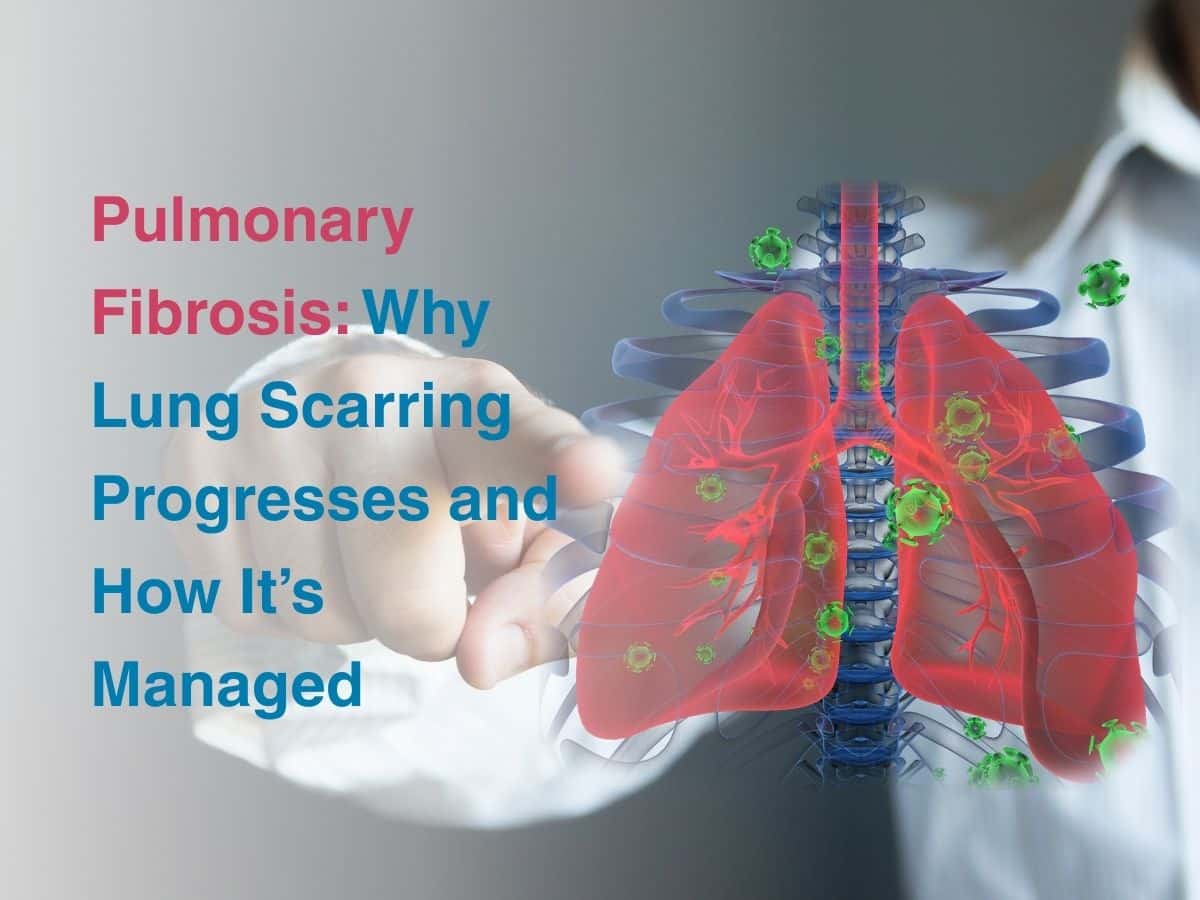
Pulmonary fibrosis is a kind of Interstitial lung disease (ILD) which is highly prevalent in the Indian subcontinent and elsewhere in the world. When there is extensive inflammation that continues for years and is not addressed at the right time, it can lead to the formation of scar tissue or fibrosis in the lungs. This can make it hard for you to breathe normally nor will your cells get enough oxygen and resources they need to function at their best. Pulmonary fibrosis is a chronic condition, which means it is a form of progressive lung disease which needs to be managed in the long term in the right way, as there is no clear cut cure available for it at present. The alveoli in the lungs- which are grape like masses that help blood get oxygenated get affected when fibrosis occurs. Since the lungs get affected, it makes sense to get looked at by an experienced pulmonologist in Hyderabad.
Pulmonary Fibrosis Meaning and Causes
As mentioned above, when there is extensive scar tissue formation in the lungs, pulmonary fibrosis occurs. But, scar tissue does not form overnight. It takes many years for it to get to a point where you begin to notice symptoms like shortness of breath or feeling tired even after performing routine tasks. It may be caused due to autoimmune disease, repeated bouts of lung infection due to exposure to pollutants or triggers like mold, parasites etc., as a side effect of cancer treatment or even chain smoking in some cases.
Symptoms of Pulmonary Fibrosis
The symptoms of this progressive disease include
- Not being able to breathe normally- after exertion or even during exercise for example.
- Taking very shallow breaths
- A dry cough that refuses to go away
- Clubbed fingers may be observed
- Not feeling energetic at all and looking tired all the time
- Weight loss
- Cyanosis- when the nails, or skin near the eyes or lips turn bluish in colour.
Diagnosis of Pulmonary Fibrosis
Imaging is normally used as a convenient way to diagnose this cognition. Approaches may differ- your doctor may ask for a CT scan, a high resolution CT – HRCT Chest for fibrosis, lung function tests, blood gas concentrations and a bronchoscopy. A biopsy is the only way to confirm this condition if imaging is not conclusive.
Treatment for Pulmonary Fibrosis
Since this is a chronic condition with no cure, there are different ways to manage your symptoms effectively. Some treatments that doctors normally recommend include-
- Corticosteroids to modulate immune function and reduce chronic inflammation.
- Oxygen therapy for lung disease involves the use of a percentage of oxygen through a tube or mask that is put on your nose.
- Medications that can help prevent further fibrosis- to help preserve remaining lung function.
- Lung transplant- Very severe cases of lung fibrosis can reduce lung function drastically and can hence necessitate the need for a lung transplant.
- Pulmonary rehabilitation – A structured regimen of breathing exercises and physical therapy can help you breathe better and improve muscle function in the lungs.
Conclusion
Untreated pulmonary fibrosis can cause permanent scarring in the lungs and interfere with your daily quality of life. There is no straightforward way to prevent this condition from affecting you, but you can stop smoking and try to reduce inhalation of toxins or pollutants by wearing a mask whenever you go out. KIMS Sunshine Hospital is the best pulmonology hospital in Hyderabad, as we have experienced pulmonologists and related specialists- who can help diagnose and treat any and all lung related issues. So, call us for a consultation today!
Frequently Asked Questions
What is pulmonary fibrosis?
What are early symptoms of pulmonary fibrosis?
Is pulmonary fibrosis reversible?
When is oxygen therapy needed?
When should a pulmonologist be consulted?