

Best Hospital in Hyderabad for Emergency, Surgery, and Long-Term Care: What You Need to Know

Verified By
KIMS-SUNSHINE
Specialist,
13 January, 2026
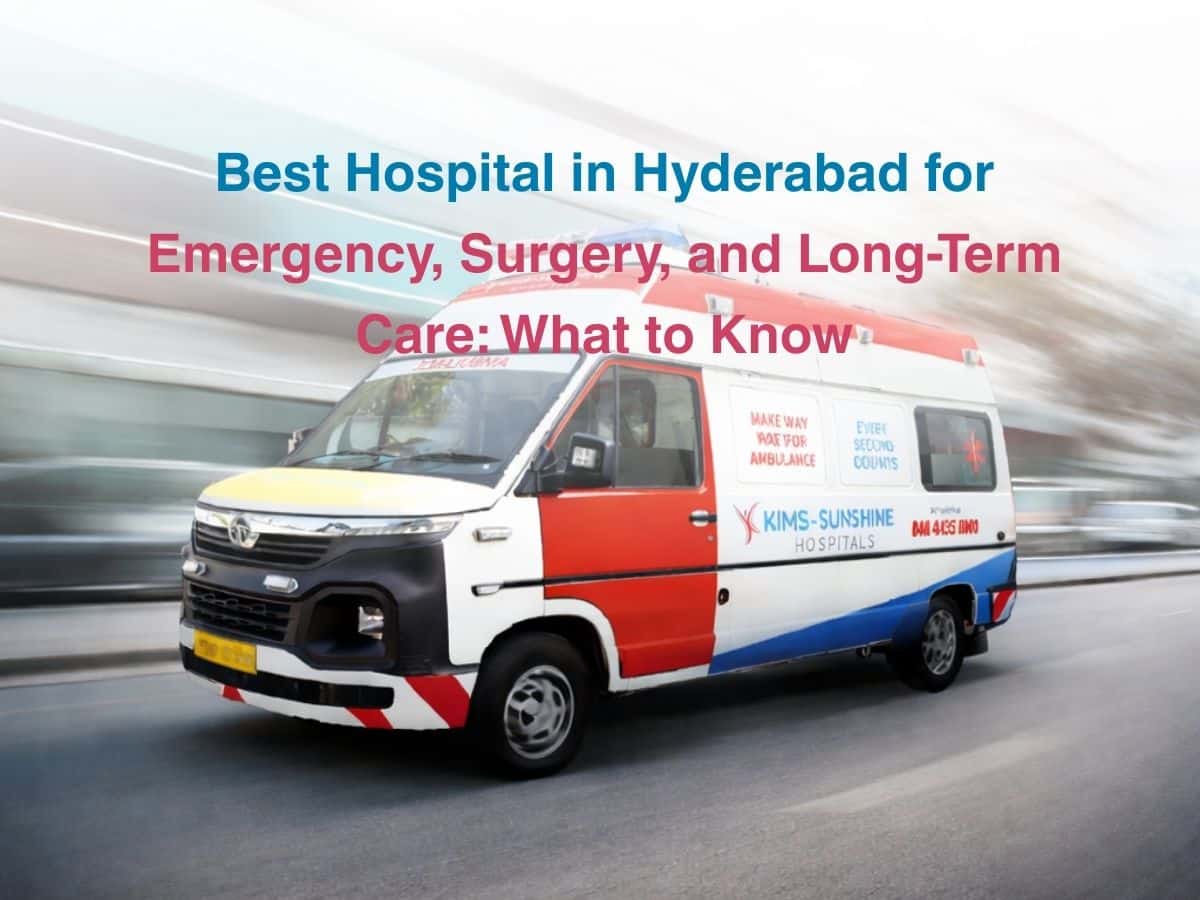
Usually, people do not pick a hospital under calm circumstances. When a long-lasting illness becomes somewhat acute, decisions are made. When seconds matter, it is not just proximity or reputation, but whether a hospital has the capacity to react in time, deliver treatment effectively and continue thereafter. KIMS Sunshine Hospital provides advanced medical facilities across various specializations. There are hospitals that are good at performing elective procedures but not as well prepared for emergencies. There are others that manage emergencies well but have no organized rehab and follow-up services. As a result, to choose the best hospital, one must see how emergency care, surgical services and long-term treatment are linked. A hospital like ours, performing well in all three areas helps in continuity of care, thus reducing delays, complications and unnecessary transfers in between.
Emergency Care: The Importance of Speed and Coordination in ICU and Trauma Care
Care in an emergency must be timely. If you’ve suffered from trauma, heart attack, stroke, severe bleeding, an important infection, or have trouble breathing, then get assessed and treated without delay. Fast treatment can stop something serious from happening- even death. We are the best emergency care hospital for care management in Hyderabad, as we have state-of-the-art equipment and are NABH certified. Trained emergency doctors are available here round the clock. Designated staff, such as nurses and technicians, are trained for various emergencies. Triage systems prioritise patients based on the severity of their condition and not in order of arrival so life-threatening cases can be treated first. Access to diagnostics is another essential element. Emergency departments are far better at diagnosis and initiation of treatment that have immediate access to CT, lab tests and cardiac monitoring. When external facilities perform tests, treatment can be delayed during emergencies. Another factor is having experts on hand. In case of an emergency, one may be able to call a cardiologist, neurologist, surgeon or pulmonologist. Hospitals with coordinated teams of specialists are better equipped to handle complex emergencies than those that rely on them for delayed referral.
Surgical Care and Post-Surgical Rehabilitation
Surgery seldom occurs in isolation. There should be proper evaluation before surgery, a skilled surgeon doing the procedure and close monitoring afterwards. The success of a surgery is reliant not only on the surgeon’s proficiency but also on the systems surrounding the patient. A strong surgical hospital like ours runs tests and assesses patients thoroughly prior to surgery. Patients with diabetes or heart and lung disease especially need this type of monitoring and more. Patient assessment and management prior to surgery may prevent complications and improve recovery.
What responsibilities do anaesthetists hold in this? Complex surgeries aren’t performed by only one specialist, as you can see in the case of the heart, brain, joints or the digestive system. Care after the operation is also important. Hospitals that do an organized follow-up after the operation can respond adequately and in a timely manner to issues such as infection, bleeding, breathing problems or related complications. Surgery recovery requires rehabilitation. Through physiotherapy, management of pain and follow-up consultation, patients get a chance to restore function and reduce disability risk.
Long-Term Care and Chronic Condition Management
Some conditions do not require one-time treatment but ongoing care. Diseases like heart disease, diabetes, kidney diseases, respiratory diseases and neurological conditions require monitoring, modification and support on a regular basis. Long-term care hospitals, like KIMS Sunshine are committed to continuity of care. Early diagnosis and hospitalisation prevention is ensured through regular follow-ups, integrated outpatient services and easy diagnostic access. Receiving spells of treatment in different facilities may miss symptoms and delay treatment. Educating patients is a key part of long-term care. The right knowledge can motivate patients to act through medication understanding, symptom recognition and knowing when to seek help. A patient-centered approach in healthcare produces desirable patient results. Essential for quality of life are pain management, physiotherapy and other types of therapeutic and supportive services. Integrated long-term care makes it possible for patients to recuperate, acclimatize, and attain autonomous functionality as soon as possible.
Conclusion
No one department makes a hospital the best one. The hallmark of quality is the ability to respond quickly in emergencies, perform safe and effective surgery and provide ongoing long-term support. A hospital that integrates emergency and long-term care allows patients to feel safe and assured at any stage of illness and subsequent recovery.
Frequently Asked Questions
What makes a hospital suitable for emergency care?
What surgical facilities should a top hospital have?
How important is ICU availability for surgeries?
Are rehabilitation services important after major surgery?
How can I evaluate a hospital’s emergency readiness?