
Snakebite First Aid: What To Do And What Not To Do

Home  /  Blogs   /  Snakebite First Aid: What To Do And What Not To Do
Snakebite First Aid What To Do And What Not To Do

Snakebite First Aid: What To Do And What Not To Do


Verified By
KIMS-SUNSHINE
Specialist,
25 August, 2025
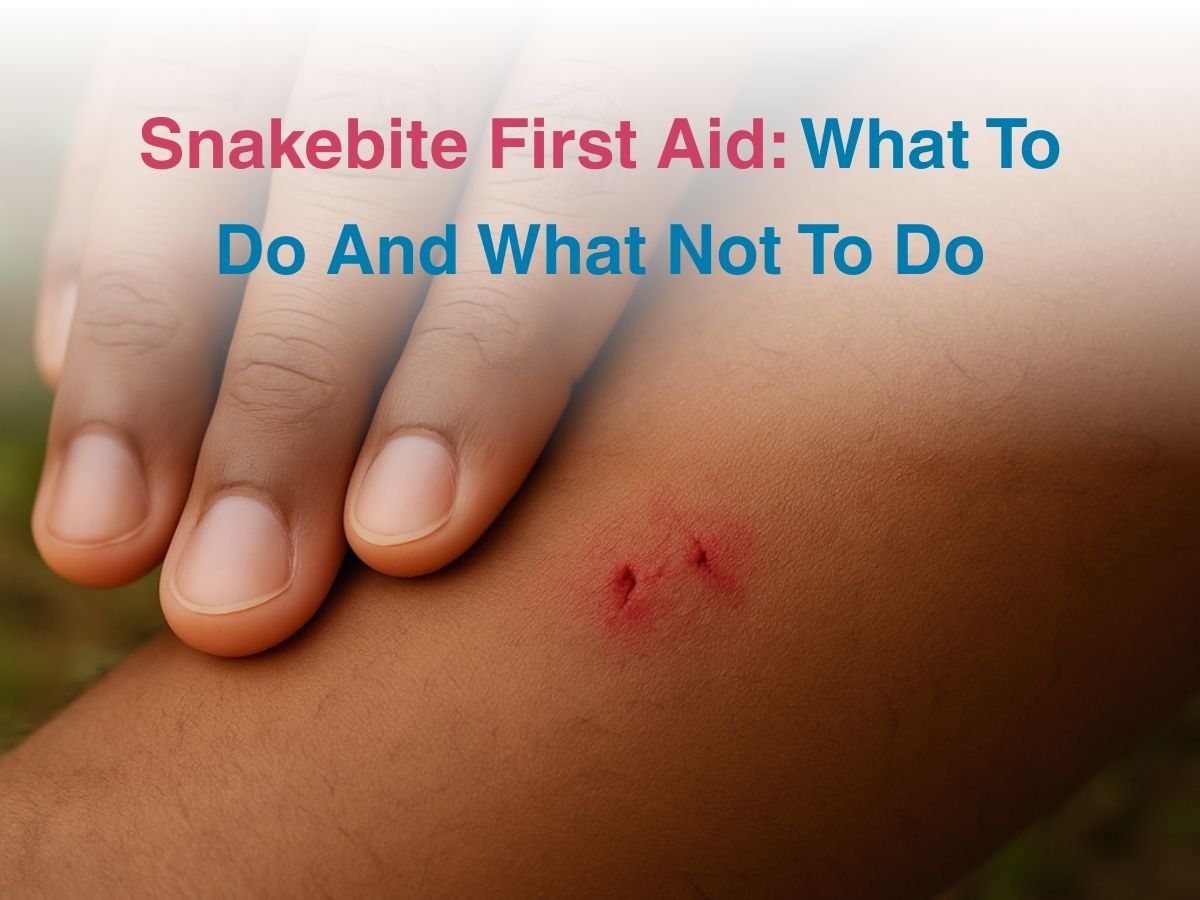
Snakebite First Aid What To Do And What Not To Do

What Is The First Thing To Do After A Snake Bite?

The first response to a snakebite is not action but stillness, for panic only fuels the poison’s journey and every hurried step quickens its spread. The bitten person should sit or lie flat, the affected limb kept gently below heart level, with movements reduced to the barest minimum. A splint or straight support may be used to immobilise the limb. DON’T ever use a tight cloth tourniquet, never cut with a blade and never attempt to draw venom by mouth. These folk practices injure more than they help. What matters most is calm, steady transport to a hospital, avoiding all unnecessary exertion, because the true treatment lies in antivenom and medical care, NOT in the rituals of panic.

How Do I Tell If The Snake Was Venomous?

In India, snakes number in the hundreds, yet only a few- the famed “Big Four” of cobra, krait, Russell’s viper, and saw-scaled viper- cause the majority of dangerous bites. It is tempting to chase the snake for identification, but this wastes vital minutes and risks another strike. Instead, assume that the bite is venomous until proven otherwise. Some bites swell and burn immediately, while others, like the krait’s, can whisper silently, with little pain at first, until paralysis creeps in hours later. It is wise to remember that no home judgment is reliable, only hospital tests and observation can confirm safety, which is why every snakebite must be treated as an emergency medical event.

What Signs Of Venom Poisoning Should I Watch For?

Venom can speak in whispers or in shouts and both are dangerous if ignored. Rapid swelling of the bitten limb, sharp pain, dizziness, bleeding gums, blood in urine, or dark swelling are signs of viper venom.  Double vision, drooping eyelids, difficulty speaking, or slow breathing may suggest cobra or krait neurotoxins at work. Some victims collapse suddenly, others deteriorate slowly through the night. The absence of symptoms in the first hour does not mean all is well, for venom sometimes waits to reveal its harm. Therefore, the safest way is to reach a hospital quickly and stay under observation, because the danger is not always visible at the start.

Snakebite is amedical emergency. Seek immediate treatment at KIMS Sunshine Hospital for prompt evaluation and life-saving care.

Conclusion

A snakebite is not merely the meeting of fangs and skin but a test of human response. In India where snakes weave through fields, villages and city edges, the difference between life and loss is often written in the choices made in the first minutes after a bite occurs. It is very crucial to keep the victim calm, avoid harmful practices, rush to the nearest hospital and place your trust in science rather than superstition.


Frequently Asked Questions

What is a pressure immobilisation bandage for snakebite, and is it recommended in India?
A pressure immobilisation bandage is a method used in some countries, mainly Australia, to slow venom spread by wrapping the limb firmly but without cutting off circulation; however, in India, this is generally not advised for all snakebites, because it is difficult to apply correctly and can worsen swelling or tissue damage. So, the best practice remains immobilisation and urgent transfer to hospital.
Is a tourniquet safe or not for snake bites?
Tourniquets are unsafe, as they stop blood supply completely, causing tissue death and potential amputation, without effectively halting venom spread; instead, experts recommend avoiding tight ties and focusing on immobilising the limb and keeping it still while reaching hospital, where antivenom is the only definitive treatment.
What are the early signs of venom after a snake bite?
Venom signs may include swelling, severe local pain, bleeding, dizziness, drooping eyelids, weakness, breathing difficulty, or neurological symptoms like slurred speech; some bites, especially from kraits, may cause delayed paralysis with minimal pain, making hospital observation essential even if symptoms appear mild initially.
What should I do if a child is bitten by a snake?
Children are more vulnerable because venom spreads faster in smaller bodies, so act immediately: keep them still, immobilise the limb, avoid panic or home remedies and rush to the hospital without delay; do not waste time with traditional treatments, as only antivenom and medical support can save a child’s life.
What are the official snake bite first aid guidelines in India?
Indian guidelines emphasise calm reassurance, limb immobilisation, no tourniquets, no cutting or sucking, no chemicals or ice and urgent transport to a hospital equipped with antivenom; traditional practices and delays increase risk, whereas quick scientific care remains the proven path to survival.
What Should I Do Immediately After A Snake Bite?
What to do immediately after a snake bite includes keeping the person calm, limiting movement and seeking emergency medical care as quickly as possible. The affected limb should be kept still and positioned below heart level to slow venom spread. First aid steps for a snake bite should focus on preventing panic and transporting the patient safely to a hospital. Immediate medical treatment is the best emergency treatment for snake bite victims.
What Are The Common Symptoms Of A Snake Bite?
Symptoms of a snake bite in humans may include pain, swelling, redness, bleeding, dizziness, nausea and breathing difficulty depending on the type of snake. Some venomous bites may also cause numbness, blurred vision or muscle weakness. How long after a snake bite do symptoms appear can vary from minutes to several hours. Any suspected snake bite should always be treated as a medical emergency.
How Can I Tell If A Snake Bite Is Venomous?
How to identify a poisonous snake bite may depend on symptoms such as rapid swelling, severe pain, fang marks, bleeding or neurological signs like drooping eyelids and breathing difficulty. What does a venomous snake bite look like often includes two distinct fang punctures, although appearance alone may not confirm venom injection. Some venomous bites may initially seem mild before symptoms worsen. Medical evaluation is essential for accurate diagnosis.
What Does A Snake Bite Look Like?
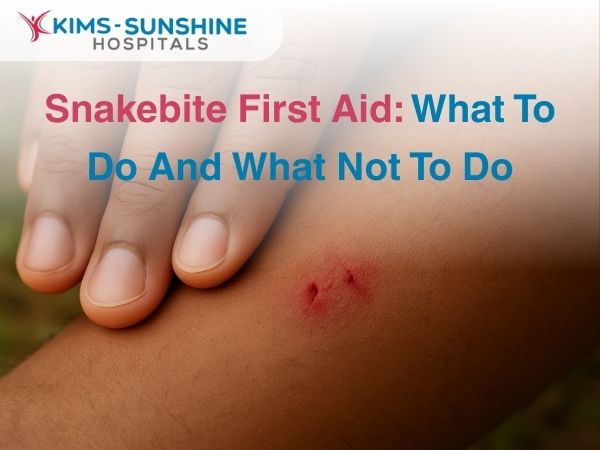
What does a snake bite look like on the skin may include puncture marks, swelling, redness or bruising around the bite area. Venomous bites may develop severe swelling or tissue damage over time, while non-venomous bites may cause only mild local irritation. Symptoms of a snake bite in humans can vary depending on the species and amount of venom injected. Close monitoring and urgent medical care are important.
What Should I Avoid Doing After A Snake Bite?
What not to do after a snake bite is extremely important because incorrect first aid can worsen the condition. Avoid cutting the wound, sucking out venom, applying ice, tying tight tourniquets or giving alcohol to the victim. These methods are unsafe and may increase tissue damage or delay proper treatment. Following proper first aid steps for a snake bite improves survival and recovery chances.
How Quickly Should I Seek Medical Help After A Snake Bite?
When to seek emergency care for a snake bite should ideally be immediately after the bite occurs. Delaying treatment may increase the risk of complications such as severe tissue damage, breathing problems or organ failure in venomous bites. Early hospital care allows doctors to monitor symptoms and administer antivenom if required. Fast medical response can be lifesaving.
Can A Snake Bite Be Treated At Home?
No, snake bites should not be treated at home without medical supervision. While basic first aid steps for a snake bite can help temporarily, professional medical evaluation is essential even if symptoms seem mild. Can a snake bite be treated at home safely is generally not recommended because venom effects may worsen unexpectedly. Hospital treatment remains the safest option.
Are All Snake Bites Dangerous?
Not all snake bites are venomous, but every bite should still be treated seriously. Some non-venomous bites may cause mild pain and swelling, while venomous bites can become life-threatening without treatment. How to identify a poisonous snake bite should always be done by medical professionals rather than relying on appearance alone. Prompt medical care helps rule out dangerous complications.
What First Aid Measures Are Recommended For Snake Bites?
Recommended first aid steps for a snake bite include keeping the patient calm, immobilizing the affected limb and transporting the person to the nearest hospital quickly. Tight clothing or jewelry near the bite area should be removed in case swelling develops. Snake bite first aid for children follows the same principles but requires even faster medical attention because children are more vulnerable to venom effects. Correct first-aid can reduce complications before treatment begins.
How Can Snake Bites Be Prevented?
Snake bites can often be prevented by wearing protective footwear, avoiding tall grass, using flashlights outdoors at night and staying alert in snake-prone areas. Children should be taught not to touch or approach snakes even if they appear harmless. Preventive awareness is especially important in rural or forest regions. Quick action and knowledge of what to do immediately after a snake bite is also essential.

author avatar
hospital_support
No Comments
Post a Comment
Name
E-mail
Website

KIMS Sunshine – Health Tools Popup