

Duodenal Ulcers: Why Ulcers Develop in the First Part of the Small Intestine

Verified By
KIMS-SUNSHINE
Specialist,
08 March, 2026
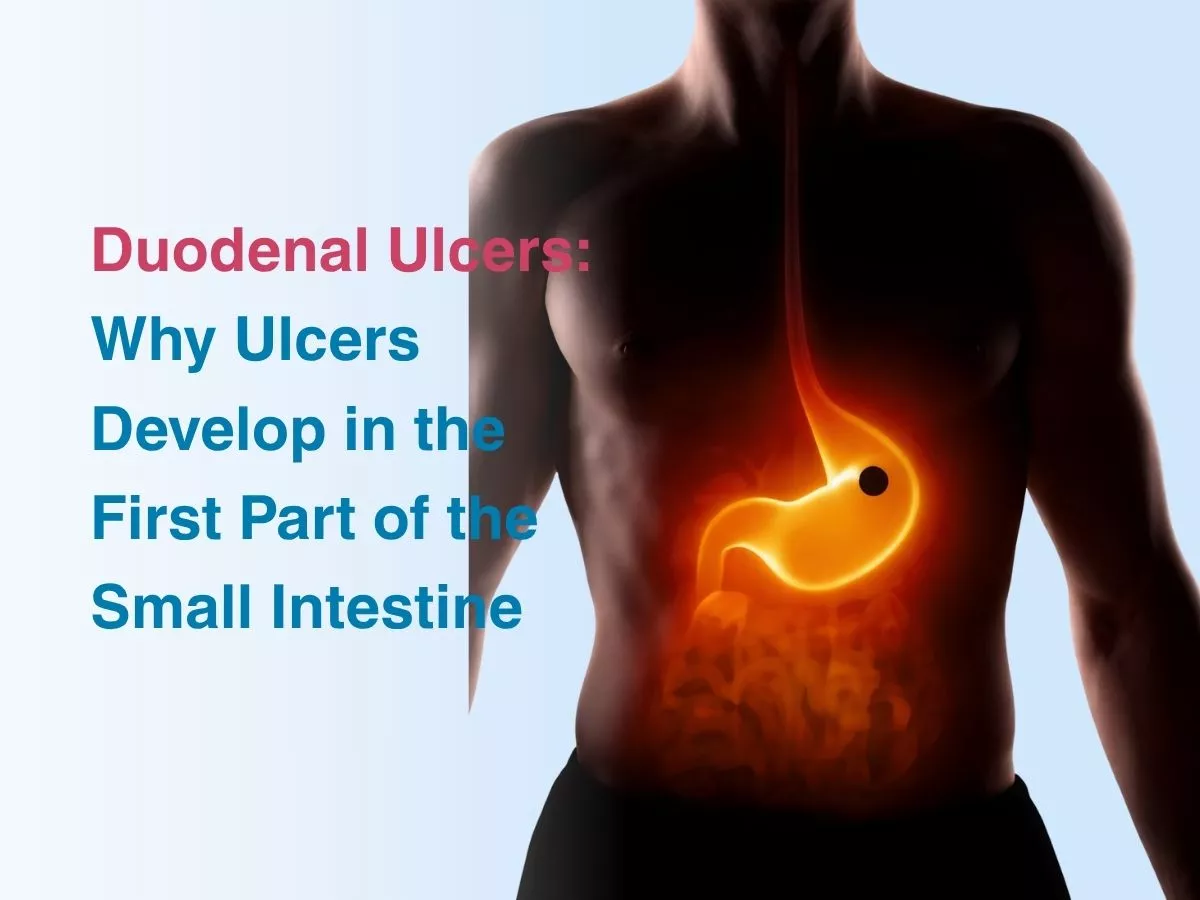
Duodenal ulcers, also called peptic ulcer disease is a condition where open sores or lesions begin to form in the stomach lining in the duodenum- the part where the stomach meets the small intestine. Normally, a thick, mucus filled layer protects the stomach lining, but when this layer gets destroyed due to some reason, the lining can be exposed to pepsin or acid and get damaged in the process. This can make you very uncomfortable, so you should talk to an experienced specialist immediately, as KIMS Sunshine is the best gastroenterology hospital in Hyderabad.
Causes of Duodenal Ulcers
The main reason for the symptoms of peptic ulcer disease can be traced back to the loss of the mucous layer, which protects the inner stomach lining. Loss of the mucous layer hence occurs due to –
- An H.pylori infection
- NSAID-induced ulcers, when you use painkillers for chronic pain without a break.
The above 2 are the most common causes. The others include
- Crohn’s disease
- Ischemia in the stomach
- Radiation or chemotherapy for cancer.
- If you have stomach cancer
- As a side effect of gastric bypass surgery.
- As a side effect of chronic inflammation in the esophagus – due to GERD caused by autoimmune diseases, infections or specific medications.
Symptoms of Duodenal Ulcers
The most common symptoms of duodenal ulcers include-
- Having burning stomach pain due to acid secretion in duodenum, which can harm the exposed areas without stomach lining. Too much acid can be produced due to gastrin hormone imbalance.
- You may feel really bloated, even with a light meal.
- Heartburn is common.
- You may not have much of an appetite.
- You may feel nauseous and want to vomit
- You may have severe gnawing pain that keeps you awake at night.
- You may burp a lot too.
When you don’t treat duodenal ulcers, it can lead to complications like blood in the stool, very sharp stomach pain and bloody vomit too, along with abdominal swelling and tenderness.
Diagnosis of Duodenal Ulcers
Peptic ulcer disease is often diagnosed after taking a detailed medical history of your symptoms and using specific diagnostic tests to confirm the condition. The tests include-
- Blood tests can show high white blood cell counts, pointing towards an infection.
- An upper endoscopy for ulcers- a tube with a camera or endoscope is inserted via the food pipe into the stomach and duodenum- to check for ulcers and other structural abnormalities and treat them. This test hence confirms and treats the issue at once.
- A breath test can help check for H.pylori infection- high amounts of urea in your breath can signal an infection.
- Imaging- like X-rays or CT scans can confirm the presence of large ulcers in the duodenal lining.
Treatment for Duodenal Ulcers
Duodenal ulcers are normally treated with medications. If an infection is causing your symptoms, antibiotics are very helpful. Proton pump inhibitor therapy involves the use of H2 blockers to reduce the amounts of stomach acid being made, while also reducing potency of acid that is produced. Cryoprotective agents may also be used to protect the stomach lining, as they form a protective layer on top.
Some surgical approaches may be beneficial, when other methods fail to provide relief. If a bleeding ulcer is found during endoscopy, it can be cauterised, so that bleeding stops. The duodenum may also be stitched up, if pronounced perforations are present. For some people, ulcers can keep coming back – and in such rare cases, the surgeon may either cut the vagus nerve off (to stop triggering acid production) or remove scar tissue formed due to chronic inflammation (pyloroplasty).
Conclusion
If you have severe, gnawing stomach pain which has a burning quality, along with other symptoms like bloating and nausea, you should consider talking to an experienced gastroenterologist quickly, without any delay. Most duodenal ulcers respond really well to medications, once the underlying cause has been ascertained. Making changes to your diet can also help you manage symptoms better- eat foods that are not too oily, spicy or acidic. Talk to a specialist for more handy tips at KIMS Sunshine Hospital, if you have been searching for the Best Gastroenterology Hospital Near Me online. Call us today!
Frequently Asked Questions
What is a duodenal ulcer?
What are the symptoms of duodenal ulcers?
Can duodenal ulcers cause bleeding?
Can stress lead to duodenal ulcer?
How long does it take for a duodenal ulcer to heal?