
Portal Hypertension: Increased Pressure in the Liver’s Blood Vessels

Verified By
KIMS-SUNSHINE
Specialist,
10 March, 2026
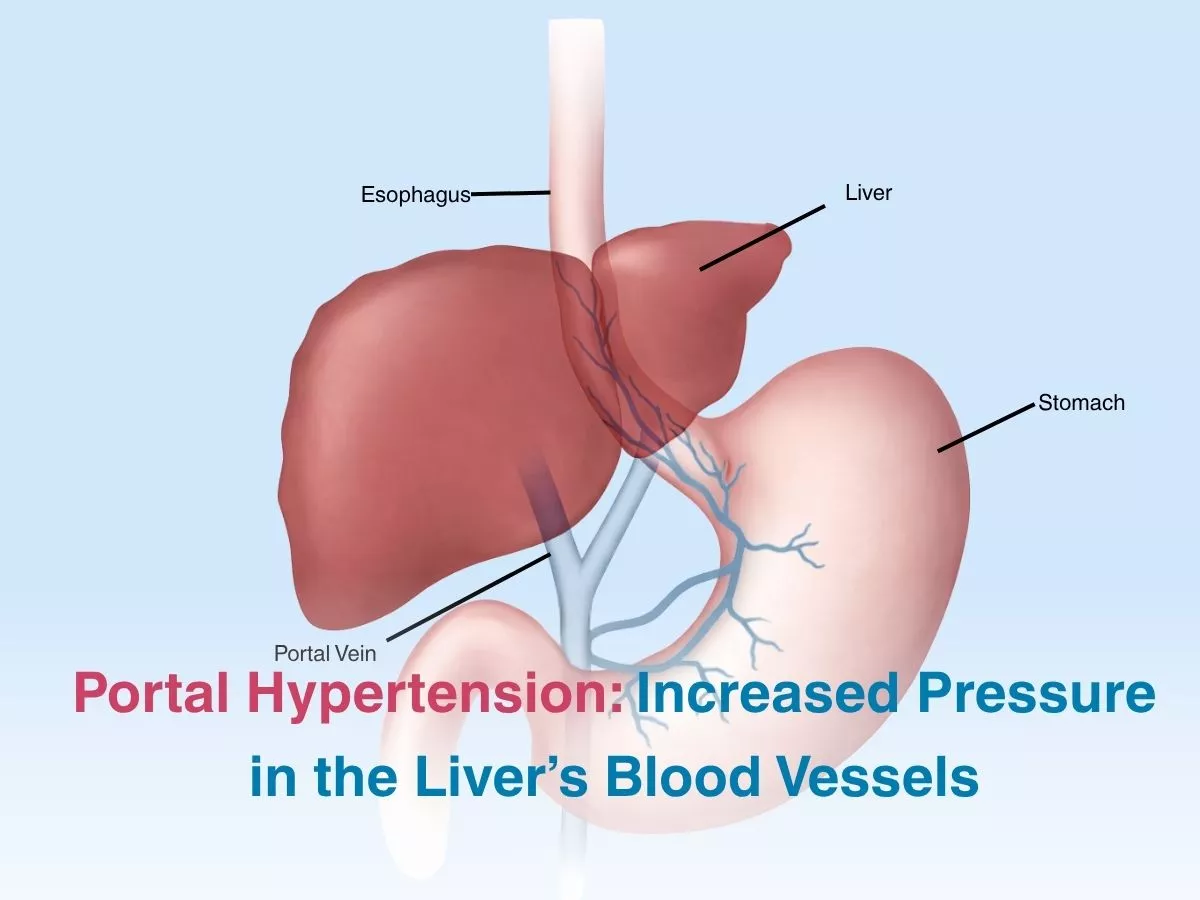
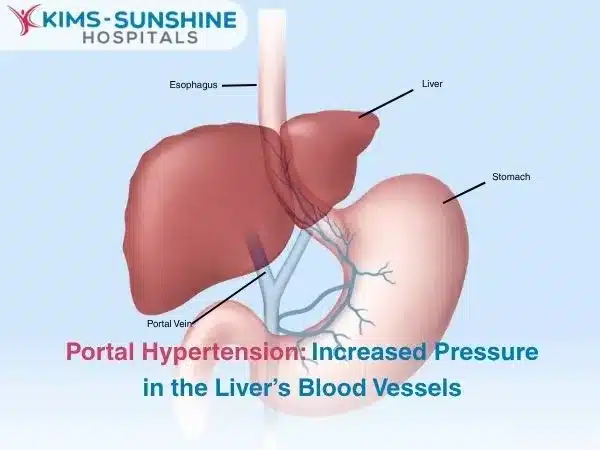
The portal vein takes blood from the stomach, spleen, intestines, and pancreas and sends it to the liver, which filters it extensively, before the blood is sent back into systemic circulation. Portal hypertension is a condition where portal vein pressure is high within the liver. Hepatic venous pressure is high due to severe liver disease and is hence a complication that can cause problems in the long term. Untreated portal hypertension is life threatening, so you should consider talking to a liver specialist at KIMS Sunshine Hospital without any delay.
Causes of Portal Hypertension
Portal hypertension occurs when there is extensive damage to the liver due to the formation of scar tissue associated with chronic inflammation.
- This inflammation can be driven by exposure to alcohol, viral hepatitis C or if a person has non-alcoholic fatty liver disease.
- Liver granulomas can also increase hepatic venous pressure due to benign tumours that obstruct blood flow, at first. They often form before extensive fibrosis can begin.
- Blood clots are another main cause for portal hypertension, when blood flow into, through or out of the liver can get affected.
Portal Hypertension Symptoms
Portal hypertension is often present way before symptoms begin to appear. These are the 5 landmark symptoms of this condition-
- The presence of blood in vomit
- The presence of blood in stool
- A bloated stomach due to edema, that causes weight gain.
- Swelling in the extremities is also noted.
- Mental disorientation or severe confusion be present.
High portal vein pressure is one of many liver cirrhosis complications, which in turn can lead to other issues-
- Esophageal varices bleeding – Enlarged veins in the GI tract are close to the surface and have very thin walls. They are hence liable to bleed much more easily, when compared to blood vessels located deeper within the abdomen. Veins in the gastric lining can also bleed in severe cases. All of this blood loss can cause anemia.
- Splenomegaly in liver disease- When there is portal hypertension, the spleen begins to make more blood vessels to compensate for lower blood flow. It becomes much larger in size as it removes too many blood cells from circulation. This can lead to poor immunity or lower amounts of clotting factors.
- Low blood oxygen due to dilated blood vessels in the lungs- this can cause hypoxia.
- Kidney failure is also observed in some cases.
- Hepatic encephalopathy– When you have confusion or disorientation due to build up of toxins in blood, that are not cleared by the liver.
Diagnosis and Treatment of Portal Hypertension
- Blood tests – First done to check liver function and complete blood cell count. Kidney function can also be ascertained.
- Imaging– the use of doppler ultrasound can help doctors image blood flow within the portal vein and check for abnormal widening or narrowing of the vessels.
- An upper endoscopy – When a tube fitted with a camera is slid down the throat into the liver to check for structural problems or GI bleeding. Varices or bleeding can be cauterised immediately to stop blood loss.
Treatment involves the usage of medications like beta blockers to reduce portal pressure, along with vasoconstrictors which can cause blood vessels to narrow.
Oxygen therapy, dialysis, medication for encephalopathy and paracentesis to remove fluid buildup in the abdomen (ascites) is common.
There are 3 possible surgical procedures-
- TIPS procedure- Transjugular intrahepatic portosystemic shunt – A stent is threaded into the liver using a needle and then placed in such a way that the portal vein gets connected to the hepatic veins, increasing drainage and relieving pressure. This procedure is done by an interventional radiologist, while using X-rays to locate the exact place for the stent to be placed at.
- DSRS procedure – Distal splenorenal shunt- The splenic vein is disconnected from the liver and diverted to the left kidney vein- for better drainage and improved blood flow. This can help relieve pressure in the liver and spleen.
- Liver transplant – For when nothing else works.
Conclusion
Portal hypertension is a chronic condition that needs timely diagnosis and prompt treatment. The liver is responsible for many important physiological processes, so when it gets affected, other organs in the body begin to shut down. It is important to be watchful for symptoms of portal hypertension, if you have already been diagnosed with liver disease or failure. Talking to a specialist can hence help you plan for the future better.
Frequently Asked Questions
What is portal hypertension?
What are the symptoms of portal hypertension?
What are esophageal varices?
What treatments are available for portal hypertension?
What is the TIPS procedure?