

Micronutrient Deficiency: How Lack of Essential Vitamins and Minerals Affects Overall Health

Verified By
KIMS-SUNSHINE
Specialist,
19 March, 2026
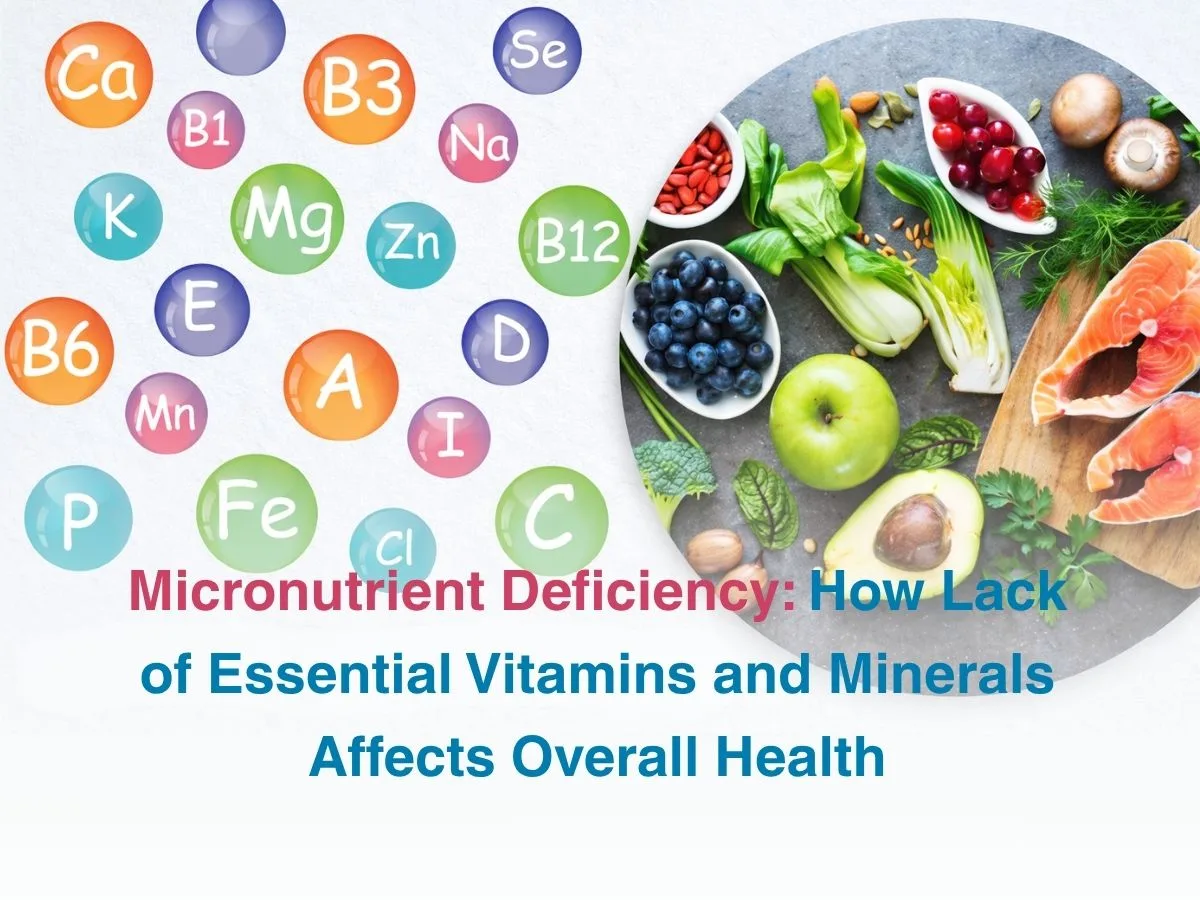
Micronutrient deficiency, also called hidden hunger, is a phenomenon where you are eating enough food, but the food is not nutritious enough. So you get the calories needed for your body to work, but the highly vital vitamins and minerals that are crucial to running those processes in the right way are missing, or are deficient. This can lead to nutritional deficiency disorders and some well known examples include shortage of iron, vitamin A, D, iodine, zinc and many more. If you have been feeling tired, irritated or are concerned about long term mineral deficiency health effects, you should consult a specialist at KIMS Sunshine Hospital, without any delay.
Micronutrient Deficiency Causes-
The main cause for micronutrient deficiency is not eating a balanced diet- which means your diet should NOT be repetitive. It must include different kinds of fruits, vegetables, grains, sources of lean proteins, fibre, enough water and carbohydrates which have not been overly processed, as your body requires a steady influx of energy for all physiological processes to occur without any issues. At times micronutrient deficiency can still occur when you are pregnant or breastfeeding for example, as your body needs more nutrients than usual.
Micronutrient Deficiency Symptoms-
Some of the most common symptoms are having brittle hair and nails, feeling overly tired almost always, having bleeding gums, vision changes or issues, poor immunity and suffering from frequent bouts of mouth ulcers.Micronutrients are essential nutrients for health and when you don’t get enough of them on a regular basis, you can suffer from unwanted complications.
Common vitamin deficiencies include those of Vitamin A, D, B12, while mineral deficiencies include those of iron, iodine, calcium or magnesium. Each of these are important and when you don’t get enough, the symptoms you face may be highly varied and affect different organ systems at once.
If you are deficient in iron, you may suffer from anaemia. More than half of the women in India suffer from iron deficiency and are anaemic as a result. This mineral is crucial for pregnancy, menstruation, blood cell health and supplementation should be carefully planned, as it is easy to suffer from unwanted side effects during treatment.
Some vitamin deficiency symptoms include hair loss, poor bone health, neuropathy and others. In some cases, vitamins and minerals work to help the bones form and work well- like how calcium and vitamin D are essential for bone health.
Call a specialist at KIMS Sunshine Hospital today!
Micronutrient Deficiency Diagnosis and Treatment-
Treatment depends on ascertaining which micronutrients you are deficient in and then supplementing in the right ways. Some ways to diagnose include bone density tests, blood tests, urinalysis and also looking closely at what you eat on a daily basis.
A nutrition focused physical assessment is done to check how your eyes work, the hair, nails, skin and oral mucosa – if they have been affected and this is done along with a detailed review of your dietary preferences.
Conclusion
Micronutrient deficiency is not visible, but is ever present and affects vast swathes of the population in India and in the world. If you suffer from issues like neuropathy, body aches, fatigue, brittle nails, excessive hair fall and others, then you should stop and evaluate why that is happening. Making sustainable changes to your diet and lifestyle can help you get better in a few months. Consulting a nutritionist can help you understand deficiencies better, so that you can work on eating better. So, call us for a consultation today, as we are the best multispecialty hospital in Hyderabad.
Frequently Asked Questions
What is micronutrient deficiency?
What symptoms indicate a vitamin or mineral deficiency?
Who is at higher risk of micronutrient deficiency?
What foods help prevent micronutrient deficiencies?
How does micronutrient deficiency affect immunity?