
Traumatic Brain Injury (TBI): Causes, Symptoms, and Neurosurgical Management

Verified By
KIMS-SUNSHINE
Specialist,
23 March, 2026
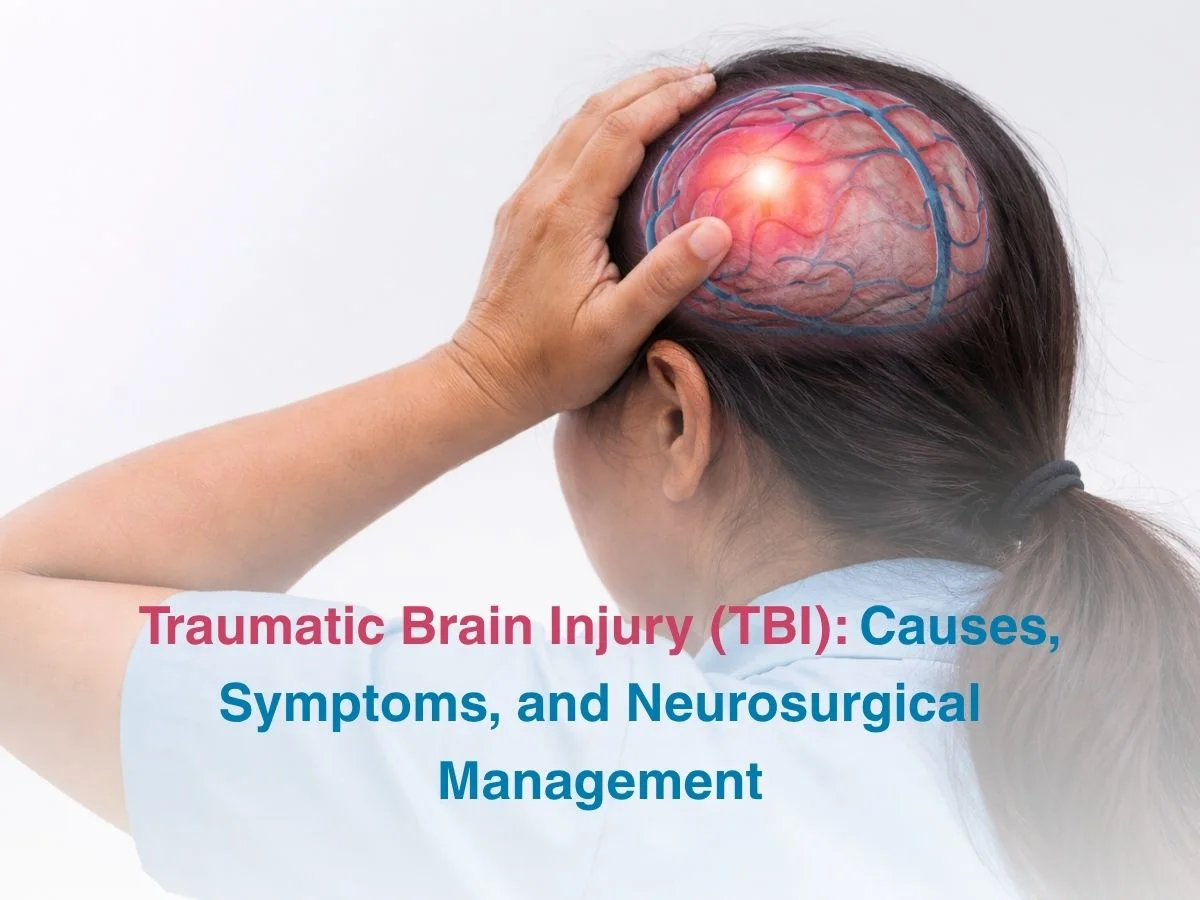
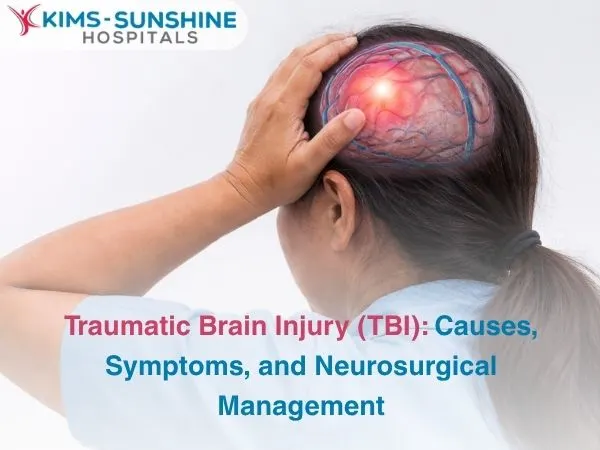
A TBI or traumatic brain injury occurs when you have a bad accident or fall, where the head gets injured severely. Since the brain gets affected, you will deal with neurological symptoms caused due to brain swelling after injury. This can be life threatening in some ways or it can cause long lasting side effects and lead to poorer outcomes even after treatment- if it is not diagnosed and treated in time. Traumatic brain injury treatment needs to be systematically administered by a specialist, so call us at KIMS Sunshine Hospital, as we are the best neurology hospital in Hyderabad.
Causes of TBI-
Traumatic brain injuries are mainly caused by falls, penetrating injuries, bad concussions caused due to accidents in adults and in very young babies too- if they are handled too roughly or have had to deal with shaken baby syndrome for example. Blunt or sharp objects can cause TBIs and accordingly, you may have a penetrating TBI and blunt TBI respectively.
TBIs can be mild or severe, with the latter being life threatening in some cases.
Traumatic Brain Injury Symptoms-
These are some well known symptoms after you have a TBI- they may be mild or severe and various neurological symptoms are observed, characterised by severe head trauma and brain swelling after injury.
Physical symptoms include-
- People may have issues with balance, coordination or feel dizzy.
- There may be changes to vision, hearing and severe headaches too.
- You may also be very sensitive to lights or other stimuli.
Neurological symptoms include changes in-
- How memories are formed or how you think
- Not being able to concentrate or focus on any task at hand.
- Having short term memory loss in some cases.
- Feeling groggy or having a severe bout of brain fog- where you feel like your mind is working very sluggishly.
- You may feel very anxious, irritable or depressed.
- You may also not be able to sleep, fall asleep for too long or sleep way less than usual.
Very young babies may be inconsolable and hard to deal with, may cry too much and may refuse to latch or feed at all.
Moderate or severe TBI symptoms are hence different- you may be unconscious for a few minutes or hours, face paralysis, have changes in how your body responds to stimuli and you may be more impulsive than before.
Diagnosis of TBI-
A neurological exam is done immediately- to check how you respond to stimuli, balance and coordination etc. Detailed imaging with MRI or CT scans is often done to check for the extent of injury present and location. Blood tests are done to check for inflammatory markers and other proteins.
Traumatic Brain Injury Treatment-
Treatment approaches used for a TBI will depend on the severity of symptoms you exhibit.
If you have a mild TBI, then you may be asked to rest well, prescribed painkillers and will be monitored for some time, to ensure no other complications develop.
For moderate or severe TBIs, you may need neurosurgery for head injury. The procedures can help relieve pressure inside the skull, remove blood clots, repair fractures if present, get rid of debris from any penetrating injury and monitor oxygen and pressure changes in the brain.
Medications are important to help you manage symptoms. So you may be given antiepileptics, antidepressants, drugs to prevent blood clots from forming or others and once the procedure is done, you will need to opt for brain injury rehabilitation programs.
Conclusion
TBIs need to be diagnosed and treated promptly. Some long-term effects of TBI caused due to unwanted complications include paralysis, anxiety, seizures, bleeding in the brain etc. You should get help immediately after an injury as you never know what is actually going on inside the skull. You may or may not have symptoms- which is why it is important to stop speculating about what may or may not happen. Call our specialist at KIMS Sunshine Hospital, as we are the best neurology hospital in Hyderabad. Never ignore a head injury, now or ever!
Frequently Asked Questions
What is traumatic brain injury (TBI)?
What are the early symptoms of TBI?
When is surgery required for traumatic brain injury?
Can traumatic brain injury cause long-term neurological problems?
What rehabilitation treatments help TBI patients recover?