

Gestational Diabetes Mellitus (GDM): Risk Factors, Symptoms, and Pregnancy Management

Verified By
KIMS-SUNSHINE
Specialist,
25 February, 2026
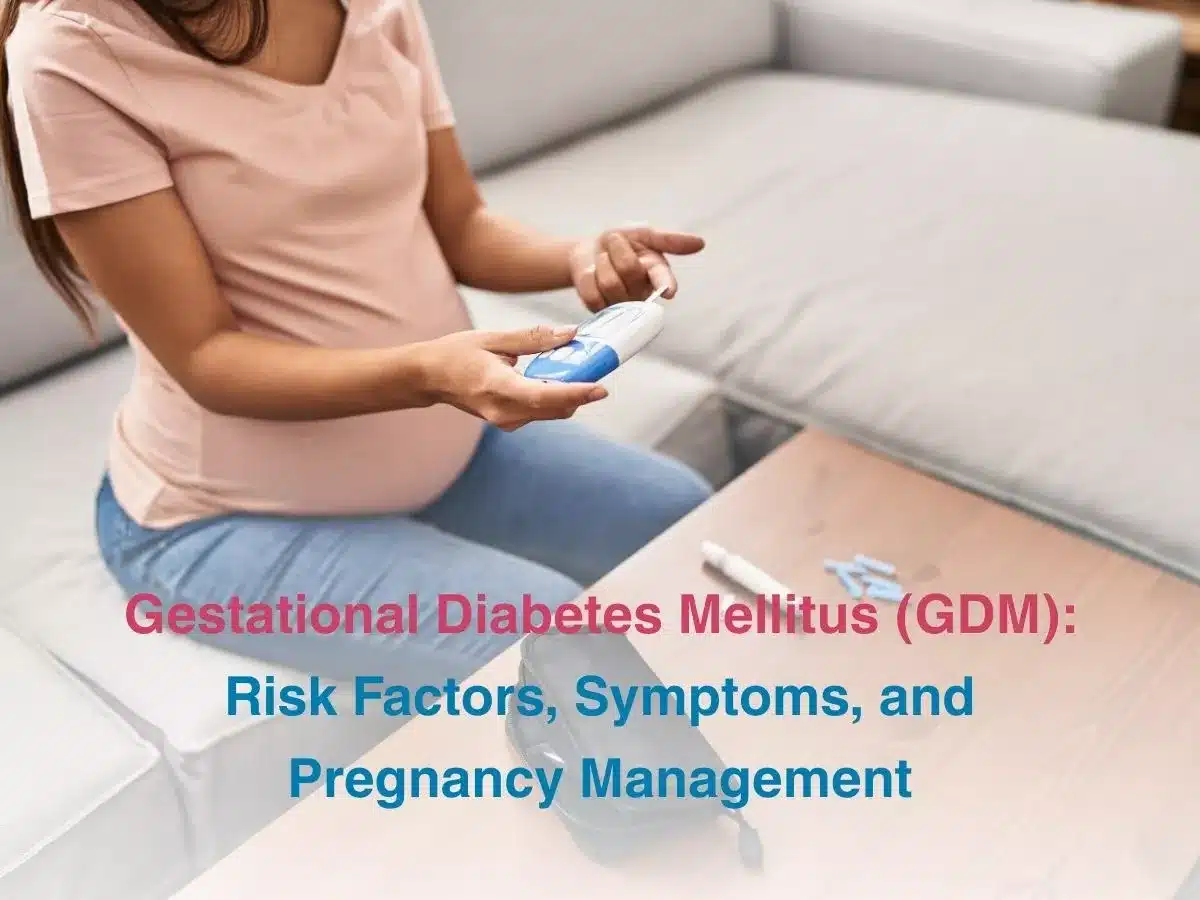
Gestational diabetes is a type of diabetes that mainly develops in mothers only during pregnancy, without any evident history of diabetes otherwise. Since this condition can affect both the baby and the mother, close observation is required for ensuring a smooth and risk free pregnancy. Recent studies have shown a growing incidence of GDM, in countries like India, with a rate of 10 to 19% in various populations, which is a matter of concern. So, if you are pregnant and experiencing symptoms, don’t hesitate to call our specialists, as we are the best gynecology hospital in Hyderabad.
Understanding Gestational Diabetes Mellitus
Gestational diabetes occurs when the mother’s body can’t produce enough insulin to meet the increased demands of pregnancy. The main triggering factor for this disturbance is placental hormones, which block the action of the mother’s insulin, leading to elevated blood sugar levels. The exact reason for this block and disruption is unknown but several factors can increase pregnancy risk to the fetus and mother.
Risk factors of GDM
There are several risk factors that can be a precursor to GDM, those are: obesity or being overweight, history of GDM in previous pregnancies of the mother, a strong family history of type 2 diabetes mellitus, increased age of the mother, ethnicity, women with known cases of PCOS and previous history of delivering big baby, also called as macrosomia.
GDM often presents with no noticeable symptoms. Pregnancy glucose monitoring on a regular basis is the only way to find it in action. GDM symptoms are no different from typical type 2 diabetes mellitus symptoms. The only difference is its causation and occurrence.
Gestational Diabetes Symptoms Include
- Increased thirst
- Frequent urination
- Unexplained fatigue
- Blurred vision
- Recurrent vaginal and bladder infections.
Diagnosis
The main tool of diagnosing GDM is the oral glucose tolerance test (OGTT). This test is normally performed between 24 and 28 weeks of pregnancy. In this test, the mother is asked to drink a medical grade sugar solution after fasting overnight and the sugar levels in blood are checked at specific intervals. In women with a history of high risk pregnancies, the testing may occur in early stages of pregnancy.
Management And Complications
With proper management and care, women with risk factors of GDM can have healthy pregnancies and babies. The aim of balancing this condition is to maintain the blood sugar levels in pregnancy.
Dietary control for mothers with GDM can help them to control their blood sugar levels as a first line of defense. Consuming complex carbohydrates, lean proteins, healthy fats and limiting added sugars and refined carbohydrates can help in maintaining blood glucose levels, so this is the preferred diet for gestational diabetes.
Regular physical activity, pregnancy glucose monitoring and even usage of insulin injections may be necessary in severe cases.
Potential GDM Complications
For baby
- Fetal macro-somia risk: a condition where babies are born to mothers with uncontrolled GDM. Babies are larger than average, increasing the risk of birth injuries in natural birth.
- Hypoglycaemia: low blood sugar immediately after birth
- Respiratory distress in the infant
- Increased risk of obesity and type 2 diabetes in future.
For the mother
- Pre-eclampsia
- Increased risk of c-section
- Postpartum diabetes risk can happen in women.
Conclusion
Gestational diabetes mellitus is manageable, but it requires vigilance and adherence to a personalised management plan. Close monitoring of gestational diabetes symptoms by regular checks of blood sugar levels in pregnancy and committing to a healthy diet, with regular activity can drastically help the high risk mother to reduce the risk of GDM complications. Even if you have been diagnosed with GDM, don’t worry. Instead, make changes to your lifestyle and get in touch with our specialists, as they are trained to handle high risk cases. So, call us today at KIMS Sunshine Hospital- if you have been searching for ‘Gynecology Hospital Near Me’ online.
Frequently Asked Questions
Who is at risk of developing GDM?
Can gestational diabetes harm the baby?
Is insulin always required?
Does GDM go away after delivery?
Can GDM increase future diabetes risk?