


Intestinal Ischemia: Reduced Blood Flow to the Intestines and Emergency Symptoms

Verified By
KIMS-SUNSHINE
Specialist,
30 March, 2026
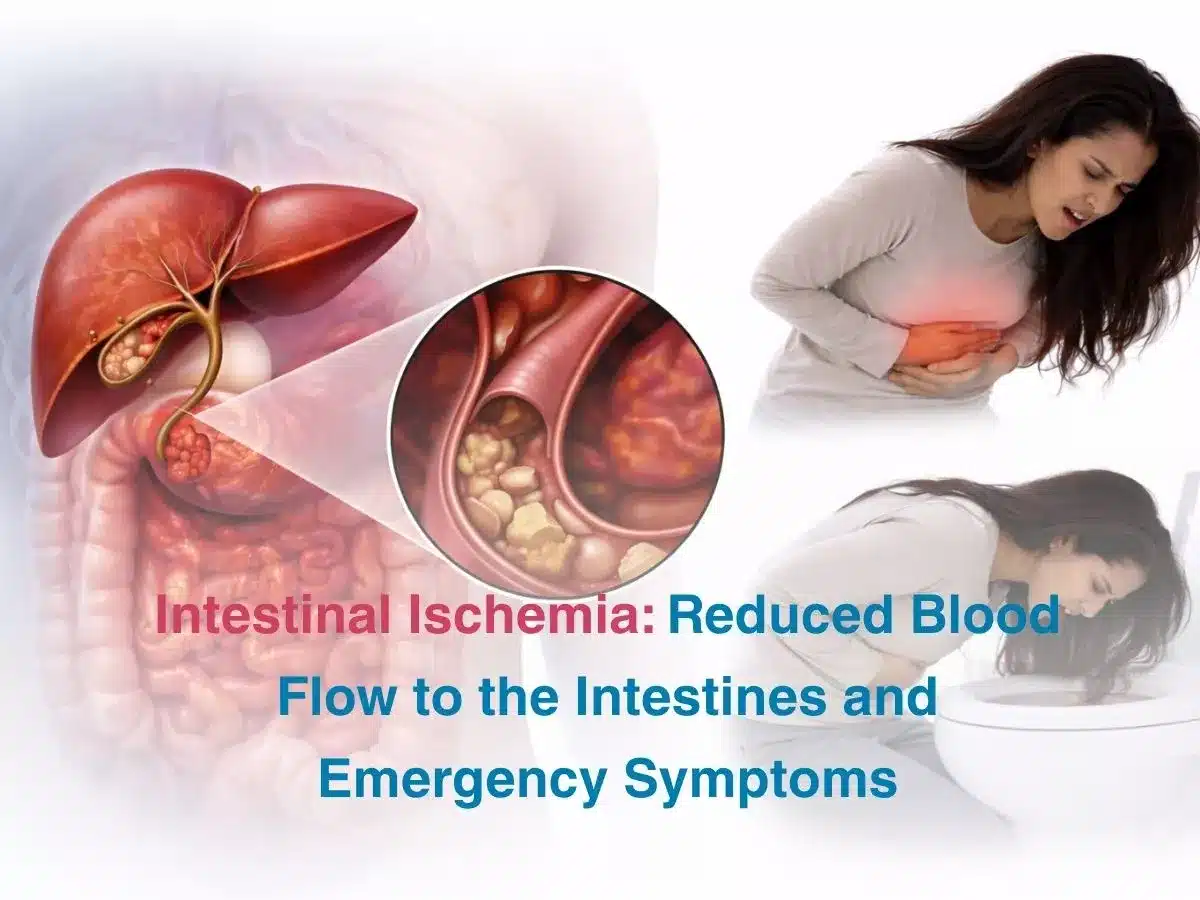
Ischemia is a condition where enough blood with oxygen and nutrients does not reach certain parts of the body- it may be due to an injury, blockage or some other issue. When there is reduced blood flow to the intestines, it can cause intestinal ischemia or mesenteric ischemia. It can lead to extensive intestinal tissue damage, if not diagnosed and treated right away. It can be life threatening too in some cases, so if you have severe abdominal pain and are not able to pass gas or poop, call a specialist at KIMS Sunshine Hospital without any delay- as we are the best gastroenterology hospital in Hyderabad.
Mesenteric Ischemia Causes
Mesenteric ischemia can be of different types and hence, causes can also differ. It can be chronic or acute in nature.
- Acute mesenteric ischemia-
Plaques made of cholesterol can form in blood vessels and block them. If they break up, they can form clots. Acute ischemia can be caused by clots that form in the mesenteric artery, clots that form elsewhere but end up blocking the mesenteric artery or if a clot forms or makes its way to any surrounding blood vessels. Due to less blood flow, spasms can occur. Such spasms are possible if you use certain medications, have had dialysis, surgery or suffer from chronic conditions like sepsis, low blood pressure etc.
- Chronic mesenteric ischemia happens due to the presence of underlying conditions which can worsen heart and blood vessel health. Blood vessels may also narrow over many years and subsequent blood flow also slowly begins to reduce to the bowels and lead to intestinal tissue damage eventually.
Intestinal Ischemia Symptoms
The most commonly observed symptoms of this condition include-
- Severe abdominal pain after eating; changes to food fear or food avoidance if you have chronic mesenteric ischemia.
- Bloating and nausea are common.
- You may feel very constipated or have diarrhoea- which are the two extreme possibilities.
- You may not have much of an appetite and may lose weight unwittingly.
- You may have a fever if you have an infection.
call a specialist today!
Diagnosis Of Intestinal Ischemia
The initial set of tests include a detailed physical exam- where doctors check if there are any tender spots in the abdomen. Bloating is also present. Doctors will also check for borborygmus or borborygmi- the sounds that your digestive system makes, as food is being broken down. If there are very low amounts of such sounds or none, there is a blockage of some kind.
- Laboratory tests include– Blood tests which check how well it clots and oxygen levels. White blood cell presence will signal an infection of some kind. Certain markers can also show up in blood when cells necrose or die.
- Imaging– An ultrasound, angiography or endoscopy may be done to check for intestinal blood supply blockage and diagnose this condition.
Treatment Of Intestinal Ischemia
Mesenteric or intestinal ischemia is very much curable- but it needs to be diagnosed quickly. Treatment needs to be done promptly, to prevent tissue damage. The best way to treat it is to opt for emergency surgery for intestinal ischemia – so that clots can be removed, a stent can be placed to widen blood vessels and blood flow is finally restored. Removal of dead tissue is done next. Medications are given to speed the process- antibiotics, IV fluids to prevent dehydration, oxygen and blood thinners. These are the different approaches used for acute mesenteric ischemia treatment. Chronic intestinal ischemia needs specialised surgery- like balloon angioplasty, bypass surgery, along with the use of blood thinners.
Conclusion
Intestinal ischemia needs to be treated quickly, as no blood flow to the affected regions of the bowel can lead to sepsis, tearing of the colon or even severe weight loss. Even after surgery, you may have issues with nutritional deficiencies, infection, kidney failure, constipation or diarrhoea – due to short bowel syndrome and you will need nutritional plans- like a feeding tube to help you get everything you need. Call us if you want gut related help, as we are the best gastroenterology hospital in Hyderabad.
Frequently Asked Questions
What is intestinal ischemia?
What are the early symptoms of intestinal ischemia?
Is intestinal ischemia a medical emergency?
What treatments are available for intestinal ischemia?
When should someone go to the hospital for sudden abdominal pain?