
Schizoaffective Disorder: Understanding the Overlap Between Mood Disorders and Psychosis

Verified By
KIMS-SUNSHINE
Specialist,
28 February, 2026
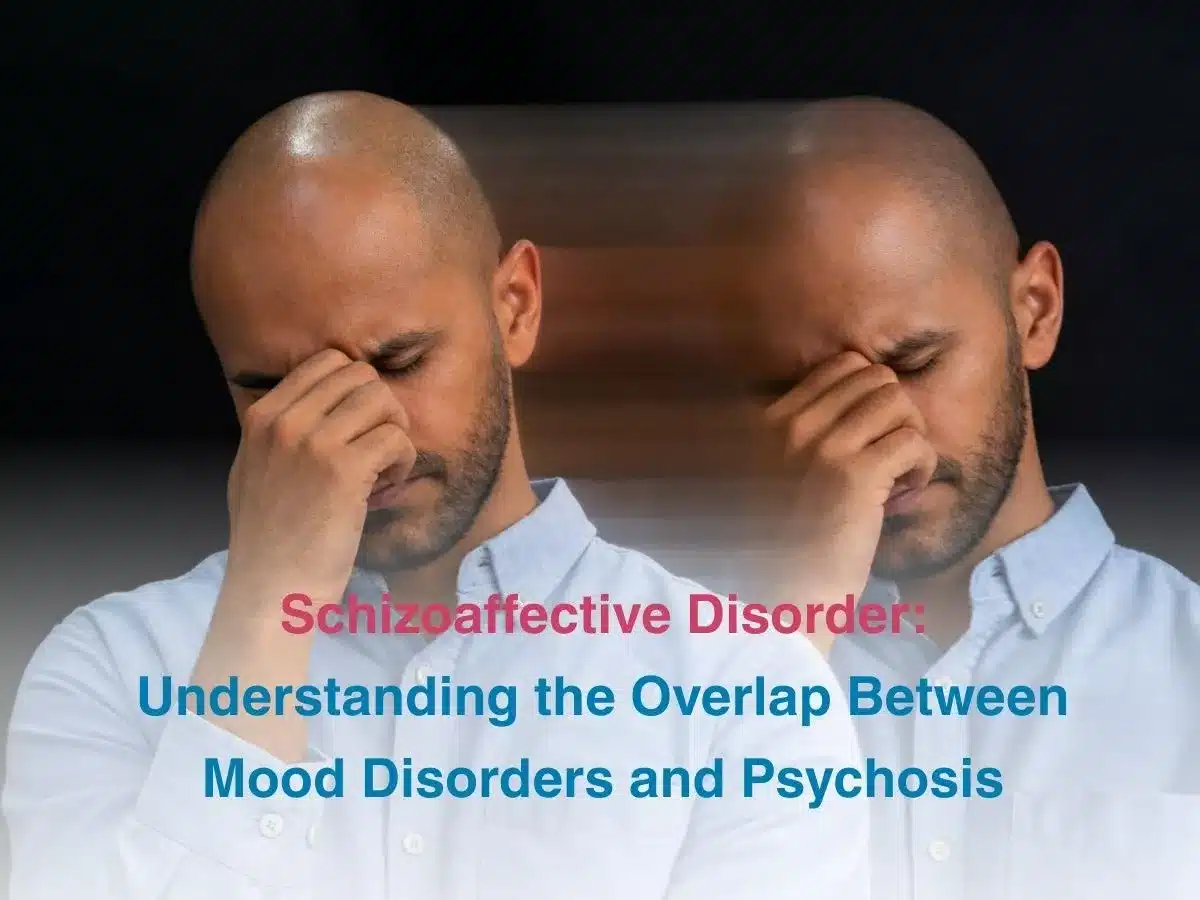
Schizoaffective disorder is a condition that is characterised by symptoms of a mood disorder with psychosis, along with schizophrenia too. So, affected individuals seem to deal with a mixed bag of symptoms like mania, depression, psychosis or some combination. There are three main types of schizoaffective disorder, as classified by specialists and in many instances, this condition is not diagnosed easily, as symptoms may be mistaken for some other condition. Let us learn more from our specialists and understand the overlap between mood disorders and psychosis in this blog.
Causes And Schizoaffective Disorder Symptoms
Scientists think that underlying genes and changes in how neurotransmitters are processed by the brain cause these disorders. Researchers also suspect that pathological changes in brain tissue itself can worsen symptoms. But, the exact cause for these disorders has not been ascertained and remains elusive. So, treatment is purely symptomatic and tweaking different approaches along the way is the best long term mental health management plan to follow.
The symptoms of this condition include-
- The bipolar type schizoaffective individual- who has manic highs and lows which can alternate for days on end. When you are in the mania or extreme high phase- you may be super talkative, outgoing, engaging and euphoric (changes in mood), along with hallucinations and delusions (schizophrenic symptoms). You may enter very depressed days too, where you have no mood to do anything, or have zero energy for activities. You may feel very depressed and sad at such times.
- The depressive type schizoaffective individual is almost perpetually depressed or feeling very low and sad, with a sense of impending doom lurking in the corner, along with some hopelessness mixed in. There are no highs or manic days at all and your daily routine can feel very impossible to deal with.
- Some doctors think these 2 types are sufficient for proper classification and diagnosis, while others think a combination type exists too- where people are manic, have schizophrenia and get depressed too.
The common signs include auditory hallucinations, changes in how reality is perceived and drastic changes in mood and behaviour. Most individuals are diagnosed between the ages of 16-30, as this is the period of onset, though others may not receive the right diagnosis for a long time.
Diagnosis and Treatment of Schizoaffective Disorder
Diagnosis is done based on some psychiatric diagnosis criteria listed out in the DSM-V (Diagnostic and Statistical Manual of Mental Disorders, 5th edition), which are as follows-
- A person has both mental health and mood changes – like mania, depression, hallucinations and delusions, changes in speech and behavioural patterns) for a long time, without any change in between.
If the person has hallucinations and delusions alone for at least 2 weeks or longer, without any changes to mood. - The flip side of the coin is your mood is perpetually low or different, when you experience symptoms, in the form of episodes.
- You do not consume drugs or any other substance that could possibly cause these symptoms to occur.
Treatment is a combination of antipsychotic medications, mood stabilisers and psychotherapy respectively.
- Antipsychotic medication treatment is used to treat schizophrenia symptoms.
- Mood stabilizers therapy is prescribed for treating mania – like lithium or valproate.
- Antidepressants are given if you have depression – like fluoxetine or sertraline.
Psychotherapy or talk therapy is administered by a psychiatrist where you basically understand what is going on with you, how your condition is affecting you and how you can manage it better. Families and caretakers are also encouraged to go for these sessions, so they understand how to take care of their loved ones better. Skills training is invaluable for many individuals.
Conclusion
Schizoaffective disorder is a condition that will affect you for life. Many people do really well with medications and psychotherapy, when used as a delicate combination. You may begin to feel better in a few months or years or there may be times where you have no symptoms. So, learn to take it one day at a time, don’t have very high expectations and give yourself enough grace to get through each day or each moment. To learn more about this condition and manage it better, talk to our experienced psychologists and psychiatrists, at the best multispecialty hospital in Hyderabad.
Frequently Asked Questions
What is schizoaffective disorder?
What are the symptoms of schizoaffective disorder?
What is the difference between bipolar type and depressive type?
What treatments are available?
Can therapy help alongside medication?