

Bloating After Every Meal? Signs Your Digestive Health Needs Attention

Verified By
KIMS-SUNSHINE
Specialist,
02 May, 2026
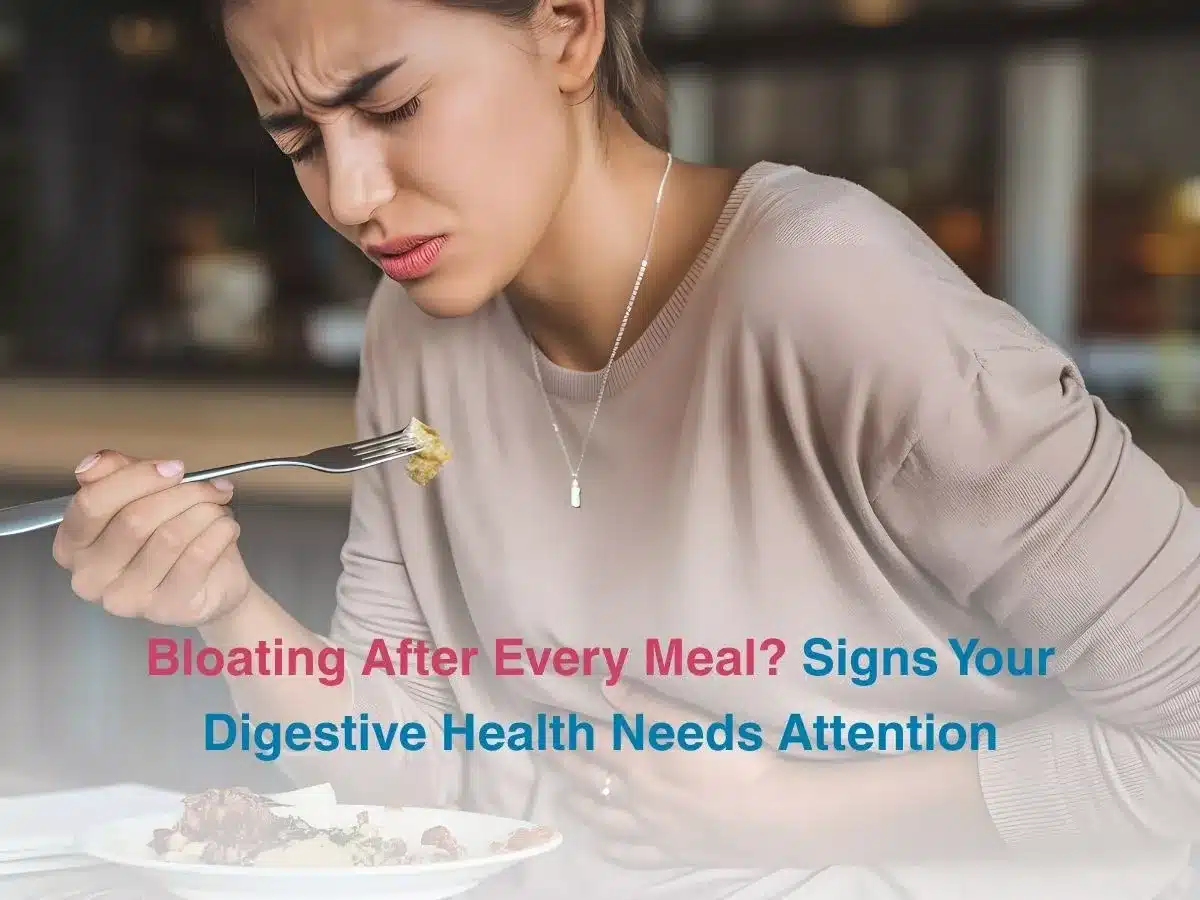
Bloating is a condition that affects everyone at one time or the other- food is broken down and gas is released. It can either build up and cause issues or it can slowly be released. A bloated stomach hence feels tight, full and may also be painful. For some individuals, it may be a chronic issue that recurs often. Bloating is mostly recognised as a digestive problem, but may also occur due to other underlying conditions or hormonal changes. If you want the best treatment for chronic bloating, you should call us today at KIMS Sunshine Hospital in Hyderabad.
Stomach Gas And Bloating Causes
These are some well known causes for bloating to occur
- Gas– the formation of gas is a common problem before and during digestion itself- you can either swallow too much air while eating quickly or by drinking aerated drinks or you may eat foods that are fibre rich and can stay in the gut for longer, without being digested, Such foods begin to ferment and release gases, leading to bloating and other issues. Excessive gas can form if you suffer from SIBO, functional digestive disorders like IBS or dyspepsia and visceral hypersensitivity.Some people may also have food intolerance digestive issues.
- The presence of digestive content– Solids, liquids or gases can remain behind in the intestine due to problems like constipation, motility disorders, bowel obstruction, or excessive weight gain – all of which can impact how food is processed in the gut.
- Hormones– This is more common in women on their periods. Estrogen can cause increased water retention and progesterone can slow down motility or movement of food and other substances in the gut.
- Bloating may also occur due to other problems like ascites or fluid buildup, gastritis, enteritis, different types of cancers, or when your pancreas is not functioning normally.
When Should You Call A Specialist for Bloating?
Please set up an appointment with a gastroenterologist if you notice the following symptoms-
- If bloating lasts continuously for longer than a week.
- If it gets worse and is more painful than before.
- If you observe other symptoms like a fever, bleeding or vomiting.
Preventive Measures You Could Follow
You can focus on drinking enough water daily, eating fibre rich foods, but not too much and get some exercise on a regular basis. Exercise can help with water retention and also help with better movement of food in the gut.
Indigestion And Bloating Treatment
If you notice that bloating is more pronounced when you eat certain foods, you can make a list and try to eat less of those foods or avoid them if possible. If it is because of hormones and menopause, you could try hormonal replacement therapy. A low FODMAP diet may also be helpful to start with, if your symptoms are not getting better.
You could use antacids, herbal teas, magnesium supplements or probiotics for you to feel better.
Conclusion
Bloating is a common symptom but it is not normal. Feeling bloated often can affect your quality of life too, so consider calling us at KIMS Sunshine Hospital for more information and to learn how to manage your symptoms better in the long run.
Frequently Asked Questions
When should I see a doctor for bloating after meals?
What tests are done to diagnose digestive bloating?
What are the best treatment options for chronic bloating?
Can IBS cause bloating after every meal?
When should bloating be considered a serious symptom?