
Acute Respiratory Distress Syndrome (ARDS): Severe Lung Failure and Its Emergency Management

Verified By
KIMS-SUNSHINE
Specialist,
14 March, 2026
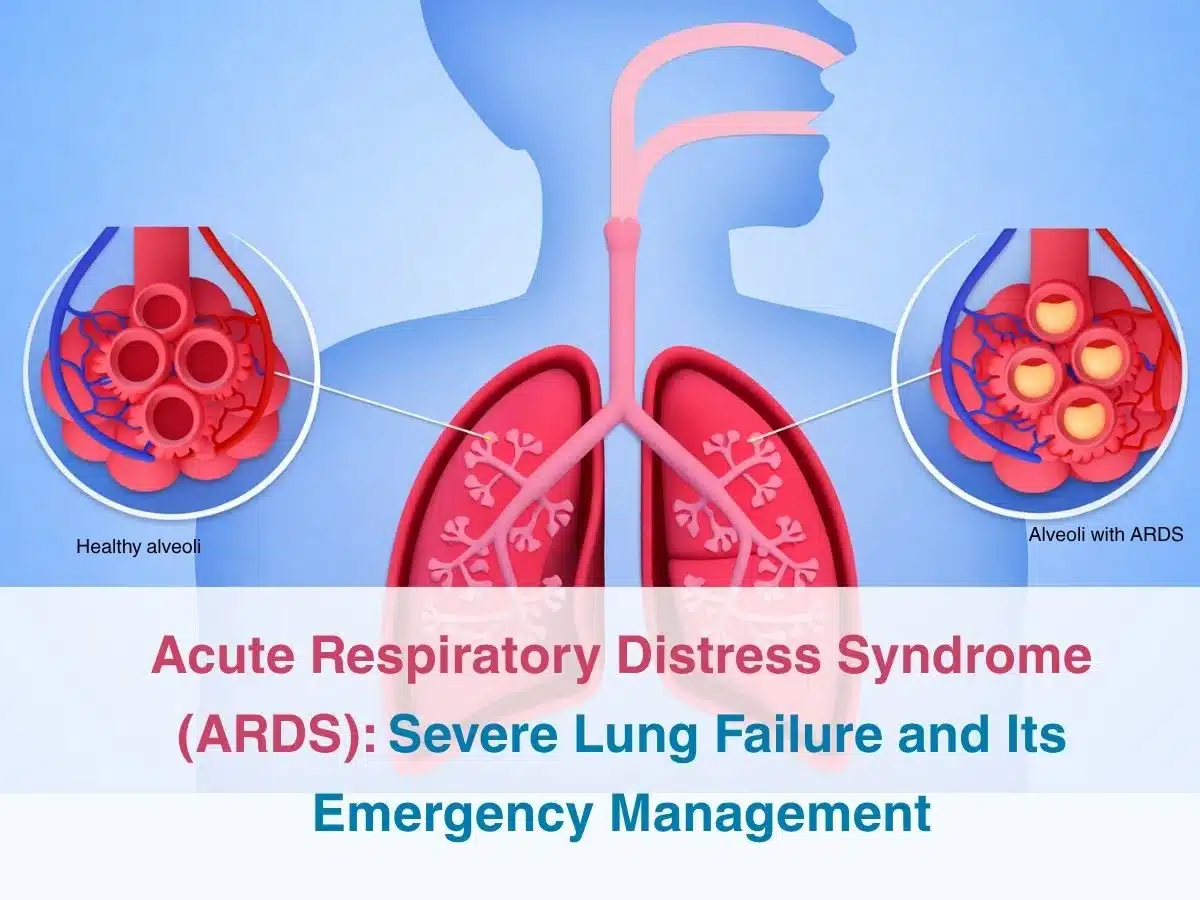
Acute Respiratory Distress Syndrome, shortened to ARDS is a condition where an underlying infection or cause leads to acute lung failure and severe respiratory distress. ARDS develops secondary to another condition and it can progress within a matter of hours or days. Affected individuals will need intensive care for respiratory failure- like the use of ventilator support treatment. So, if you notice symptoms like labored breathing, severe shortness of breath and cyanosis, call a specialist at KIMS Sunshine- as we provide the best emergency medical care in the city.
Causes of ARDS-
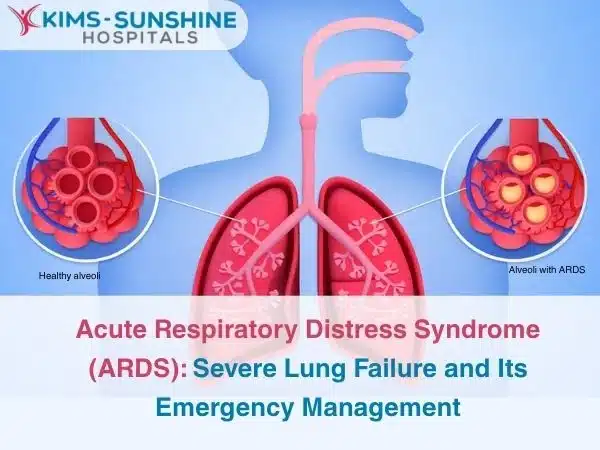
ARDS occurs because the alveoli or air sacs in the lungs are no longer able to fill up with air, causing hypoxia. ARDS can be mild, moderate or severe, depending on blood oxygen saturation levels, which are taken by doctors using a pulse oximeter.
ARDS becomes dangerous when the other organs and systems in the body are unable to receive oxygen and nutrients, causing them all to shut down and culminate in sepsis or organ failure.
- Some of the most well known causes for ARDS include-
Having sepsis in the lungs- likely due to pneumonia, which can cause high amounts of inflammation. - Aspiration pneumonia– when food, water or any other substance enters the lungs instead of the food pipe. Pathogens can then breed on them and cause infections.
- Having COVID-19 can lead to ARDS.
- Severe trauma can lead to ARDS.
- Drowning can lead to a lot of water entering the lungs, leading to aspiration pneumonia and ARDS.
Symptoms of ARDS-
ARDS Symptoms include- labored or fast breathing, quick heart rate, cyanosis or bluish looking skin in the extremities, lips or nails and severe shortness of breath.
Some ARDS complications include suffering from a collapsed lung, blood clots, multi-organ failure, confusion, muscle weakness, lung fibrosis and other conditions which may be chronic and hard to deal with, in the long term.
Diagnosis of ARDS-
ARDS can be diagnosed with imaging- like a chest x-ray to check for fluid in the lungs, a blood test to measure oxygen levels, an ECG or EKG to heck for heart function, a CT scan to check for any structural abnormalities in the lungs and taking a sample of the fluid in the airways to check for any infection, respectively.
Treatment for ARDS-
Oxygen therapy in ARDS is one of the most commonly used approaches. A ventilator i sussed to deliver oxygen and open the airways up so that the person can breathe better. Medications are also given- to prevent blood clots, diuretics to remove excess fluid, antibiotics for infections, painkillers or sedatives to manage pain and pulmonary rehabilitation – so that your lungs learn to function better eventually.
It takes about 6-12 months for normal lung function to return, if a person has suffered from ARDS. Quick diagnosis and prompt treatment are necessary to improve survival outcomes.
Conclusion
ARDS can be life threatening if not treated immediately, as it can lead to a lot of complications that can affect the working of other organ systems. You will need specialised care from pulmonologists if you continue to have issues, even after being taken off the ventilator. You will recover slowly, so it helps to set realistic goals, instead of getting worried or depressed about your lack of progress. Call our doctors at KIMS Sunshine Hospital today, if you have been searching for ‘best pulmonology hospital near me’ online.
Frequently Asked Questions
What is acute respiratory distress syndrome (ARDS)?
What are the early symptoms of ARDS?
Who is at higher risk of developing ARDS?
Can ARDS be life-threatening?
Can ARDS cause long-term lung damage?