


Intestinal Malabsorption: Why Your Body Isn’t Absorbing Nutrients Properly

Verified By
KIMS-SUNSHINE
Specialist,
21 April, 2026
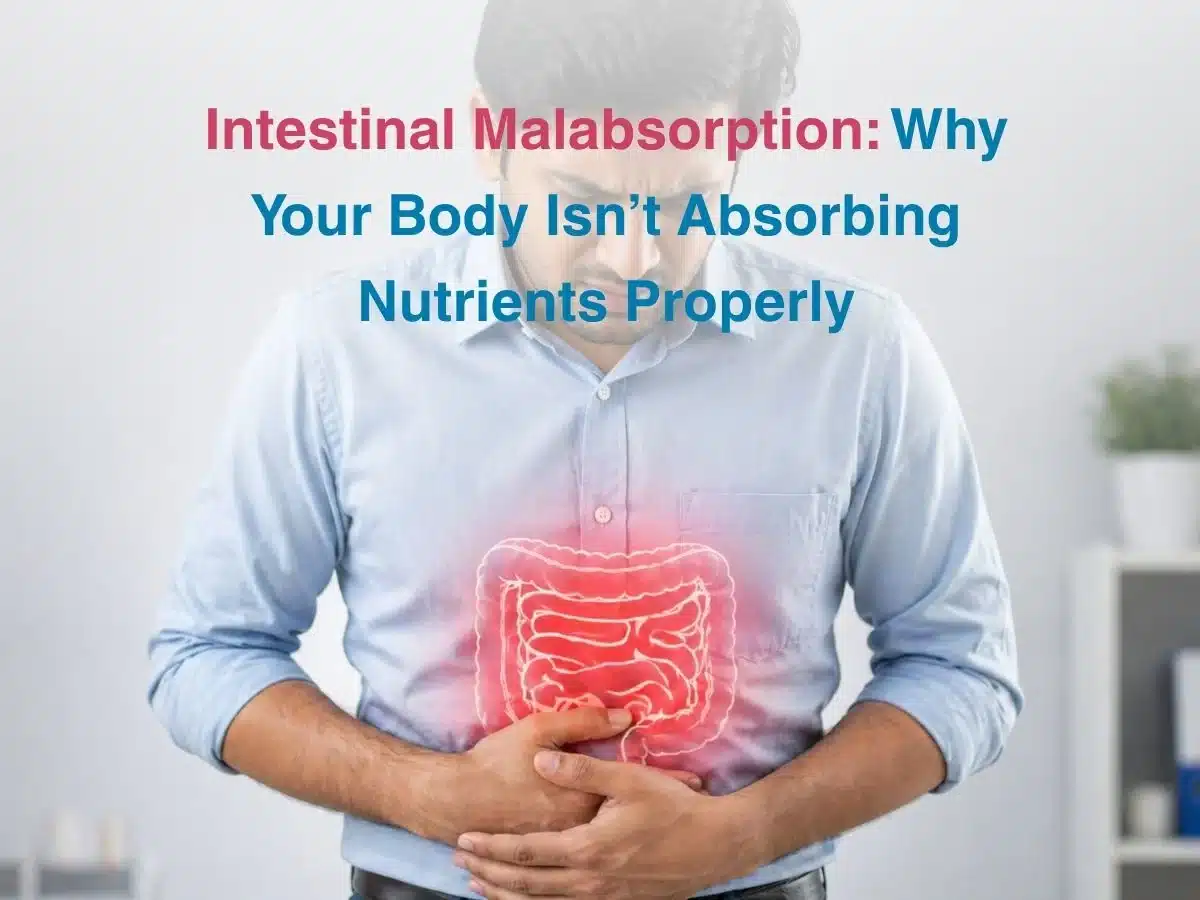
The intestines form the longest part of the digestive system with specialised cells present on the inner surface- so there is maximum surface area for absorption of all nutrients as needed by the body. When the mucus and cell lining gets damaged, it can lead to a nutrient absorption disorder – and if this continues for a while, you may suffer from micronutrient deficits and need nutritional deficiency treatment to get better.
This is called intestinal malabsorption syndrome – to denote that though you may be eating enough, your body is not able to absorb nutrients from the food eaten. If you notice symptoms like extreme fatigue, food intolerances, diarrhoea and other problems, please call us at KIMS Sunshine Hospital for the best treatment for malabsorption syndrome, right away!
Causes of Intestinal Malabsorption-
You may suffer from some acute or chronic condition, which can lead to malabsorption in the long term. These are some well known malabsorption syndrome causes-
- If you suffer from any condition that damages the lining of the small intestine- enteritis, infections, colitis, IBD, autoimmune conditions, celiac disease, alcohol abuse, cancer treatments, short bowel syndrome, SIBO, too much stomach acid being produced etc. and other conditions respectively.
- If you have some condition that affects the liver, pancreas, gallbladder- then your small intestine cannot work properly, as bile and other digestive juices come from other organs and enter the small intestine to do their job.
- If you have food intolerances or when you don’t make the right enzyme needed to break a particular compound down. A common example is lactose intolerance.
- Any condition that affects the lymphatic system- lymphoma or issue with how fats are absorbed via the lymphatic system can lead to malabsorption.
Symptoms of Intestinal Malabsorption-
You may have these symptoms when you suffer from GI absorption problems-
- Abdominal pain, swelling, bloating
- Nausea, vomiting
- Severe diarrhoea and fatty stools.
With time, symptoms change to weight loss, muscle wasting, poor immunity, hair and skin issues, dehydration, anaemia, fatigue, absence of monthly cycles in women and growth delay in children. Specific micronutrient deficiencies can lead to night blindness, bone pain and poor bone health, bleeding of gums, red and sore looking tongue etc.
Diagnosis and Treatment of Intestinal Malabsorption-
These are the tests that are done to diagnose this condition-
- Blood tests – to check for deficiencies and markers of specific conditions.
- Breath tests- the presence of greater hydrogen levels in your breath can mean carbohydrate intolerance- like for lactose, or small intestine bacterial overgrowth (SIBO).
- Stool tests– Check for fat content- high amounts of fat can mean fat malabsorption. Can also show parasites or point to pancreatic problems.
- Sweat test- High amounts of chloride in sweat can mean cystic fibrosis.
- Imaging– like GI X-ray, endoscopy or ultrasound can be used to check for obstruction, structural abnormalities and other causes.
- Biopsy of the small intestine tissue lining– To check for amounts of inflammation and damage to tissue lining. Sample is taken during an endoscopy.
Intestinal malabsorption treatment involves the use of certain supplemental nutrition via the mouth or a vein- like a feeding tube. You may need food additives to help you digest food better and prevent diarrhoea. Making changes to your diet and treating infections or conditions that are damaging your small intestine can help, but if you have some chronic condition, then long term management becomes necessary.
Conclusion
Most of us suffer from bloating, indigestion or nausea rarely, when we eat something that does not agree with our system. We may have smellier than usual stools the next day but then everything feels normal. If you however have these symptoms on a daily basis, then you may have some chronic or underlying condition that needs to be looked at. So, call a gastroenterologist at KIMS Sunshine Hospital as we are the best multispecialty hospital in Hyderabad right away! Schedule an appointment if you have any concerns. Don’t wait till it is too late!
Frequently Asked Questions
When should I see a doctor for chronic diarrhea and nutrient deficiency?
Which specialist treats intestinal malabsorption?
What tests are done for nutrient absorption problems?
How long does it take to recover from malabsorption?
Where can I get expert care for digestive and absorption disorders?