


Lung Abscess: Causes, Symptoms, and Treatment of Pus Formation in the Lungs

Verified By
KIMS-SUNSHINE
Specialist,
14 April, 2026
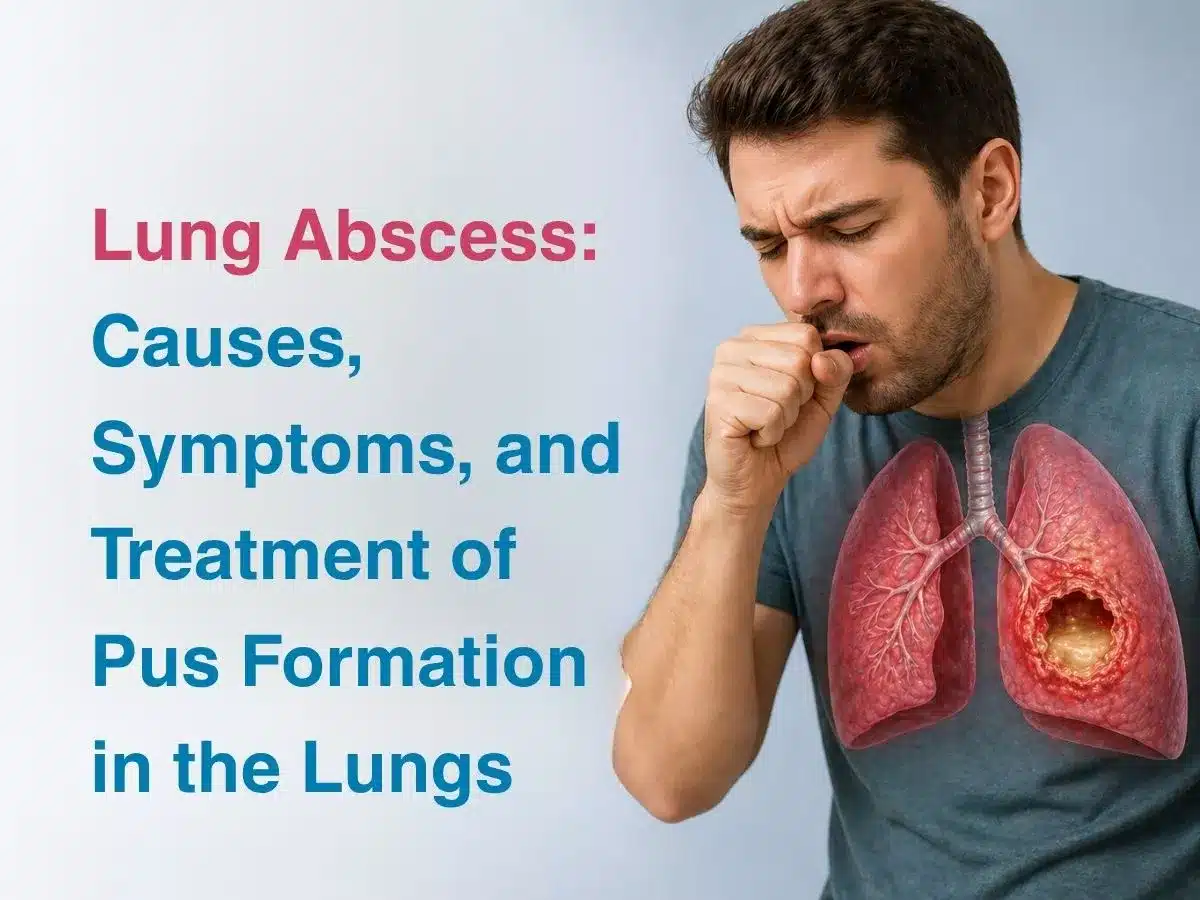
An abscess is formed when you have a bacterial infection in any organ. Such an infection in the lungs can lead to the formation of a pus filled abscess- which is essentially a mixture of pus, dead cells, white blood cells and pathogens. They may form in just one area and be large in size, or multiple smaller ones may be present in some cases too. If you have had an infection and notice shortness of breath or foul smelling mucus, call a lung infection specialist at KIMS Sunshine Hospital today!
Causes For Lung Abscesses to Form
Lung abscesses can be due to accidental aspiration of food or liquid into the windpipe – which means it is primary in nature. It may also be caused due to some other underlying condition- when it is called a secondary lung abscess. These are some well known causes-
Bacterial infections are the main contributors.
- Having poor immunity and suffering from gum disease.
- Pneumonia
- Obstructions in the lungs- in the form of objects, tumours or masses.
- Infection in the chest cavity, like endocarditis, where it may spread to the lungs if left untreated.
- If you have GERD.
Symptoms of a Lung Abscess
Since most abscesses are formed due to infections, these are some of the symptoms that are commonly observed-
- You may have a fever that may go up or reduce.
- You may cough a lot or feel breathless.
- You may cough up mucus or pus that smells very bad.
- You may wheeze or have chest pain.
- You may feel really tired.
- You may also have night sweats.
Diagnosis of Lung Abscess
Doctors often give you a pulmonary abscess diagnosis using imaging-
- Bronchoscopy– A tube is sent in with a camera at its end and used to visualise the inside of the lungs. A sample from the abscess can also be taken.
- CT Scan
- Needle biopsy- This is both a diagnostic measure and a treatment approach too- abscess drainage can help test the fluid and get the excess amounts out, so you can breathe better.
- Blood tests can be done to check for infections.
- Sputum test is done- to check for bacteria in the sputum sample given.
Lung Abscess Treatment
Pus in lungs treatment includes the use of antibiotics for lung abscess first. If these don’t work, then the abscess will need to be drained.
At times, you may also need surgery to clear a block in the lungs. Lung abscesses can cause complications, if not treated in time. So, be watchful for symptoms and get help sooner rather than later.
Conclusion
Lung abscesses can be easy to treat but can be dangerous if they are not treated in time. If you have a high fever, coughing up blood or foul smelling pus or mucus and are not able to breathe normally at all, please call the best pulmonologist for lung infections at KIMS Sunshine hospital without any delay! Schedule an appointment right away!
Frequently Asked Questions
When should I see a doctor for suspected lung abscess?
Where can I get advanced treatment for severe lung infections?
Are antibiotics enough to treat a lung abscess?
How is a lung abscess diagnosed in hospitals?
When is drainage or surgery needed for lung abscess?