

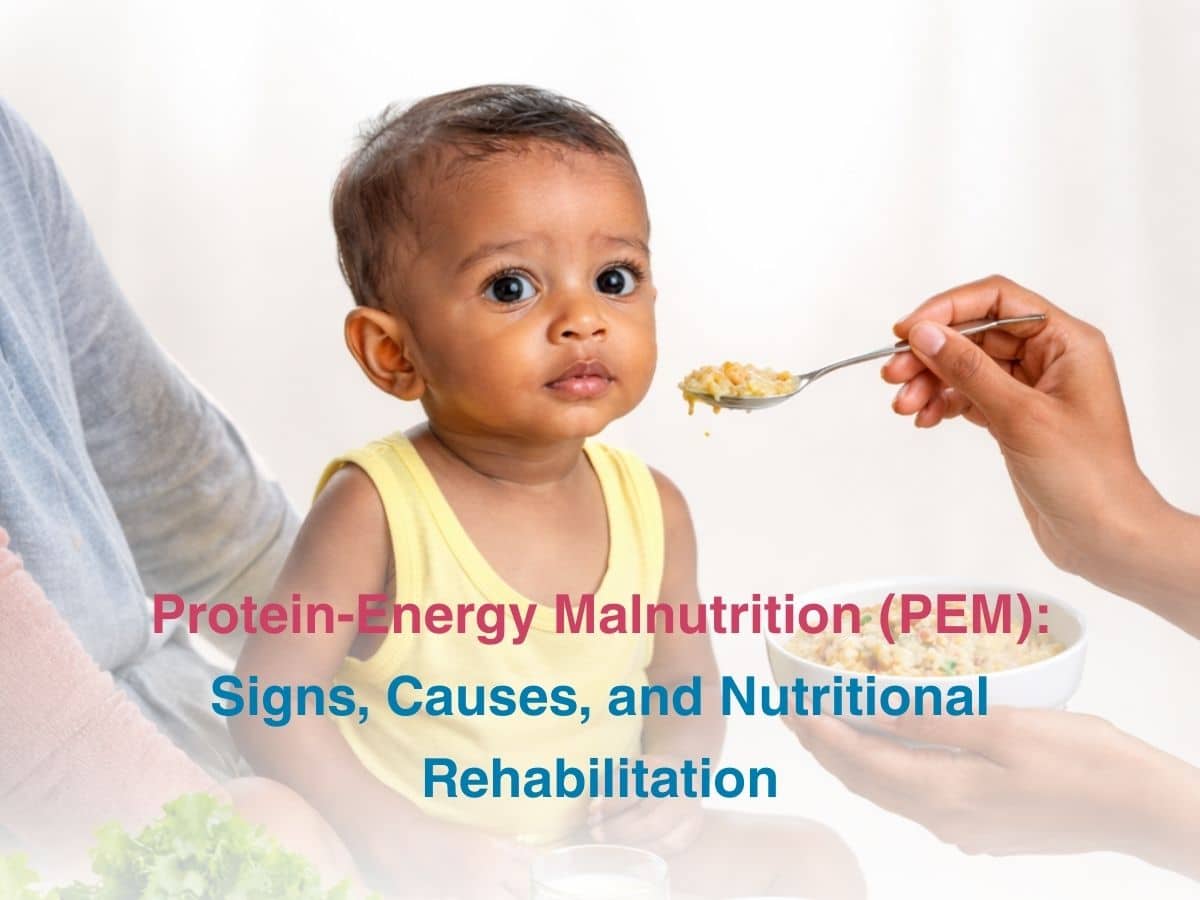
Protein-Energy Malnutrition (PEM): Signs, Causes, and Nutritional Rehabilitation

Verified By
KIMS-SUNSHINE
Specialist,
28 February, 2026
Protein-Energy Malnutrition (PEM) occurs in children, older adults or people with chronic health conditions, when there are inadequate supplies of protein and calories to meet daily needs. As time goes on, this lack damages growth, immunity, muscle power and organ functions overall. This can cause subtle signs and symptoms that may culminate in poor body growth and mental development. So, if you want to learn more about PEM, get in touch with us at KIMS Sunshine Hospital, as we are the best multispecialty hospital in Hyderabad.
What Is Protein-Energy Malnutrition and Why Does It Occur?
Protein-energy malnutrition refers to a group of disorders caused by the lack of energy and protein intake. Most cases of PEM are seen in resource-limited environments among children, but also increasingly in adults, particularly hospitalized patients, the elderly and those with chronic disease.
Kwashiorkor vs. Marasmus” is often a question asked, as these two are interchangeably used with the sufferer, though there are subtle but important differences.
- Marasmus is caused due to a severe deficiency of calories and leads to loss of weight as well as muscle wasting and loss of body fat.
- Kwashiorkor is mainly caused by protein deficiency. Edema or swelling, fatty liver changes, skin or hair changes are classic manifestations of the same.
PEM is caused by more than just a lack of food. Long-term infections, digestive tract disorders that reduce the body’s ability to absorb nutrients, protracted illnesses, cancers, kidney disease, or even social isolation in older people can contribute to this condition.
Causes for growth failure in children are often repeated infections plus poor dietary intake. Deficiencies of micronutrients are often associated with PEM and further weaken immunity and delay recovery. The body cannot carry out basic metabolic functions without sufficient nutrition, thus early identification is key.
Protein Energy Malnutrition Symptoms
Signs of PEM may be varied in their appearance.
- Initial symptoms of protein energy malnutrition may include fatigue, irritability, loss of appetite and poor concentration. In younger children, if growth is slow and milestones are not being met as expected, it could be concerning.
- Severe malnutrition signs include – muscle wasting, thinning hair, dry skin and increased infection susceptibility. The swelling of feet and abdomen in kwashiorkor occurs due to a low concentration of protein. Marasmus is an illness where excessive weight loss causes the bone structure to become visible.
- Adults might face weakness, limited mobility and difficulty in recovering from illness or surgery. Healing slows down due to the lack of protein. Consuming low protein in the long term can cause issues like lowering immunity, anemia, etc.
- Diagnosis of PEM in adults often requires close nutritional assessment due to its tendency to overlap with several diseases. To determine severity, health workers evaluate body weight, growth patterns in childhood, dietary history and specific laboratory markers.
Nutritional Rehabilitation and Treatment
The goal of PEM therapy is enhancing an individual’s intake of protein and calories in a systematic way. Nutritional rehabilitation therapy should be properly designed, especially in severe cases, to prevent metabolic complications.
- Therapeutic feeding programs are desirable in children with malnutrition. These programs supply customized easy-to-digest energy and protein-rich foods. The body can adapt safely with gradual increments in calorie intake.
- For adults, treatment could include dietary counselling, supplementation of protein and treatment of the underlying causes such as chronic disease. Deficiencies of micronutrients are corrected along with macronutrient intake.
- Early diagnosis and continuity of care enhance chances of recovery. You are making good progress if you are gaining weight, getting stronger and your immune system is working better. Ensuring balanced nutrition, monitoring one’s health regularly and educating all age groups about adequate intake of proteins is important in the long term.
- Muscle development is not the only purpose of protein.When the energy intake is also insufficient, then the body starts breaking down its muscle store. The result is a gradual decrease in strength and immunity. Recognizing symptoms of protein energy malnutrition correctly as early as possible will prevent serious complications. Besides that, it will allow for nutritional rehabilitation therapy to begin on time.
Conclusion
Protein-energy malnutrition is not just about insufficient food. A disruption in metabolism is the proper explanation. PEM can have an impact on every system in the body, from growth retardation in childhood to weakened immune responses in adulthood. If identified and rehabilitated early and nutritional follow-ups are consistent, the case has a good prognosis. Gaining knowledge on the distinctions between Kwashiorkor and Marasmus, the symptoms of severe malnutrition and the causes of growth failure in children can help prevent complications in the future. At every point in your life, nutrition can become instrumental to enhancing health and resilience that enable strong mental wellness.
Frequently Asked Questions
What is protein-energy malnutrition?
What are the early signs of PEM?
What is the difference between kwashiorkor and marasmus?
How is malnutrition diagnosed?
How is PEM treated?