

Short Bowel Syndrome: Digestive Challenges After Intestinal Surgery

Verified By
KIMS-SUNSHINE
Specialist,
09 March, 2026
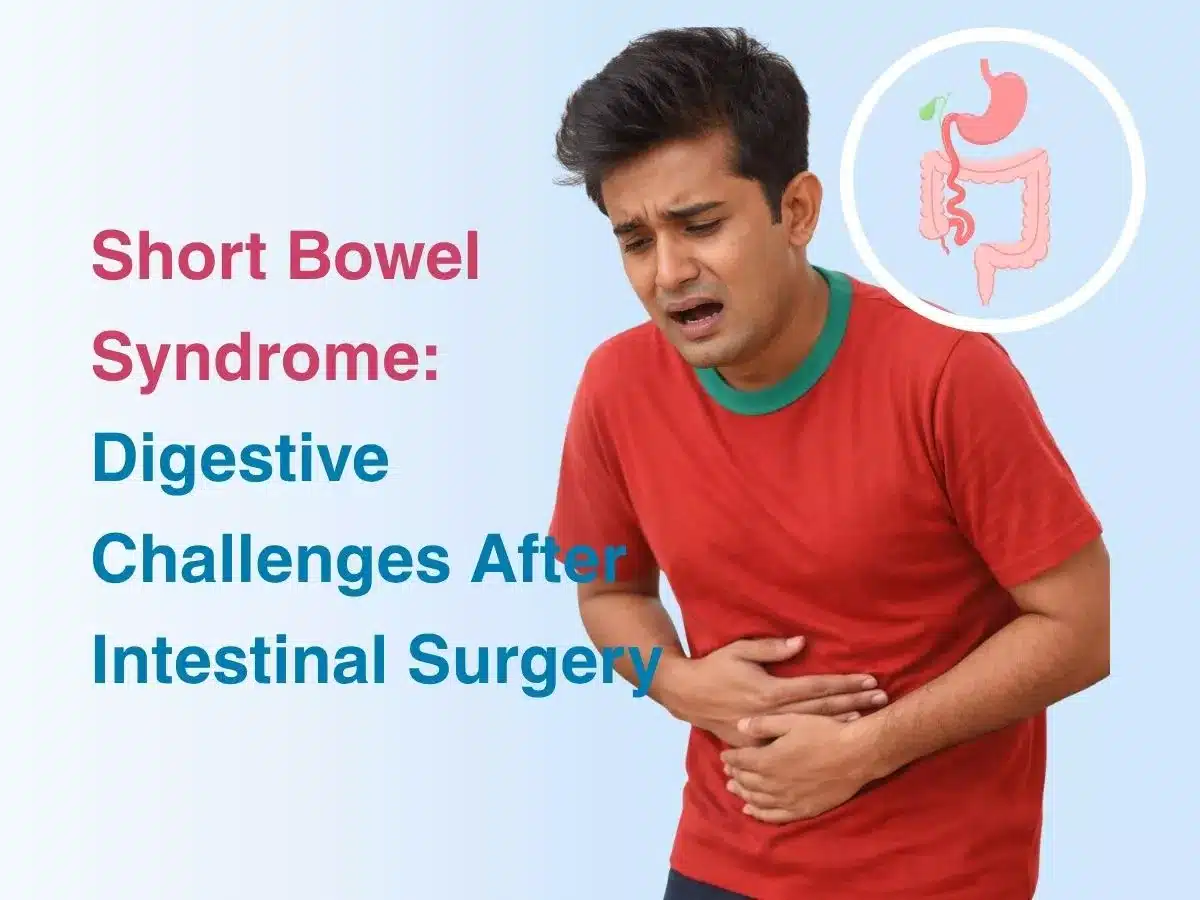
Short bowel syndrome, also called short gut syndrome is a condition that may be present from birth or may be an unwanted side effect of extensive intestinal surgery. It affects young children. Parts of the small intestine have not formed properly at all or were present but removed surgically. This condition needs to be managed properly in the long term, to prevent developmental issues. So, call an experienced gastroenterologist at KIMS Sunshine, as we are the best multispecialty hospital in Hyderabad, without any delay- when you notice symptoms in your child.
Causes for Short Bowel Syndrome
The small intestine is made of 3 parts- the short duodenum which is connected to the stomach, the jejunum which is in between and the ileum which is the longest part that is connected to the colon of the large intestine. Absorption of nutrients is the most important job of the gut and this process is enhanced by the additional length of the intestine- providing more surface area for cells to work with.
When certain conditions cause problems, parts of the intestine may be surgically removed. The other parts of the gut can compensate functionally, but if too much length is lost, it can impact gut function.
Short bowel syndrome is caused mainly by 2 reasons-
- Congenital defect– where the intestine does not form properly- called intestinal atresia. Surgery is done to fix this problem. Sometimes, due to extensive damage, too much of the gut is removed. This can lead to intestinal malabsorption.
- Extensive intestinal surgery- Surgery is needed to fix the gut when the intestine forms out of the body, when the intestine is twisted or folds into other parts, cutting off blood supply and causing tissue to die or when it is chronically inflamed. Small intestine removal can lead to intestinal failure.
Symptoms of Short Bowel Syndrome
The symptoms of this condition are listed below-
- Chronic diarrhea after surgery is a major side effect.
- Excessive bloating is present with too much gas being produced.
- Fatigue and poor growth are ever present.
- Foul smelling stool is also commonly observed.
When this condition goes untreated, it can lead to severe malnutrition and dehydration- as fluid balance is not maintained, nor is weight gained or maintained. It can lead to extensive vitamin deficiency disorders.
This can lead to very picky eating, severe diaper rashes due to acidic stools, bacterial overgrowth in the gut, along with liver disease, gallstone and kidney stone formation respectively. Ironically, stone formation can get worse with treatment that involves parenteral nutrition therapy.
Diagnosis of Short Bowel Syndrome
These are the tests that are normally done to diagnose this condition-
- Blood tests to check for complete blood count, infection, inflammation markers and nutrient profile- vitamins and minerals respectively.
- A fecal fat test is done to check for malabsorption.
- Barium X-rays are done to image for any structural abnormalities.
- A CT scan can be done too.
Treatment of Short Bowel Syndrome
Treatment mainly involves improving nutritional parameters. Approaches include-
- Smaller meals with calorie dense foods will be prioritised. This is because children grow fast and need a lot of resources for just that- in the form of vitamins, minerals, carbohydrates, proteins and fats. Supplements are also prescribed.
- Total Parenteral Nutrition Therapy- This is when a high calorie food is given intravenously, using central lines. This food can bypass the digestive system and close monitoring ensures that they get everything necessary to recover and grow normally.
- Enteral nutrition- A gastric tube is used to send food in liquid form into the body, which goes through the nose and into the gut. This may be done exclusively or in addition to mouth feeding.
Medications are also important-
- Antibiotics can treat bacterial overgrowth.
- Proton pump inhibitors can help reduce stomach acid production and potency of acid too.
- Since food passes too quickly within the gut, medicines which slow the movement of food are also given. This gives the gut more time to absorb nutrients better. Bile salt binders are given to reduce diarrhea.
Conclusion
Intestinal adaptation can occur where the remaining parts of the gut adapt to absorb food better. This is mainly observed in young children, as the gut will grow and expand every year. This condition needs treatment for sure, but the treatment regimen needs to be carefully planned, to prevent unwanted complications like liver disease from arising. Consulting an experienced gastroenterologist will help you come up with the best method to help your child – so get in touch with us at KIMS Sunshine Hospital today!
Frequently Asked Questions
What is short bowel syndrome?
What are the symptoms of short bowel syndrome?
What treatments are available for short bowel syndrome?
Can the intestine adapt after surgery?
What complications can occur with short bowel syndrome?