

A Common Viral Lung Infection in Infants and Young Children

Verified By
KIMS-SUNSHINE
Specialist,
15 March, 2026
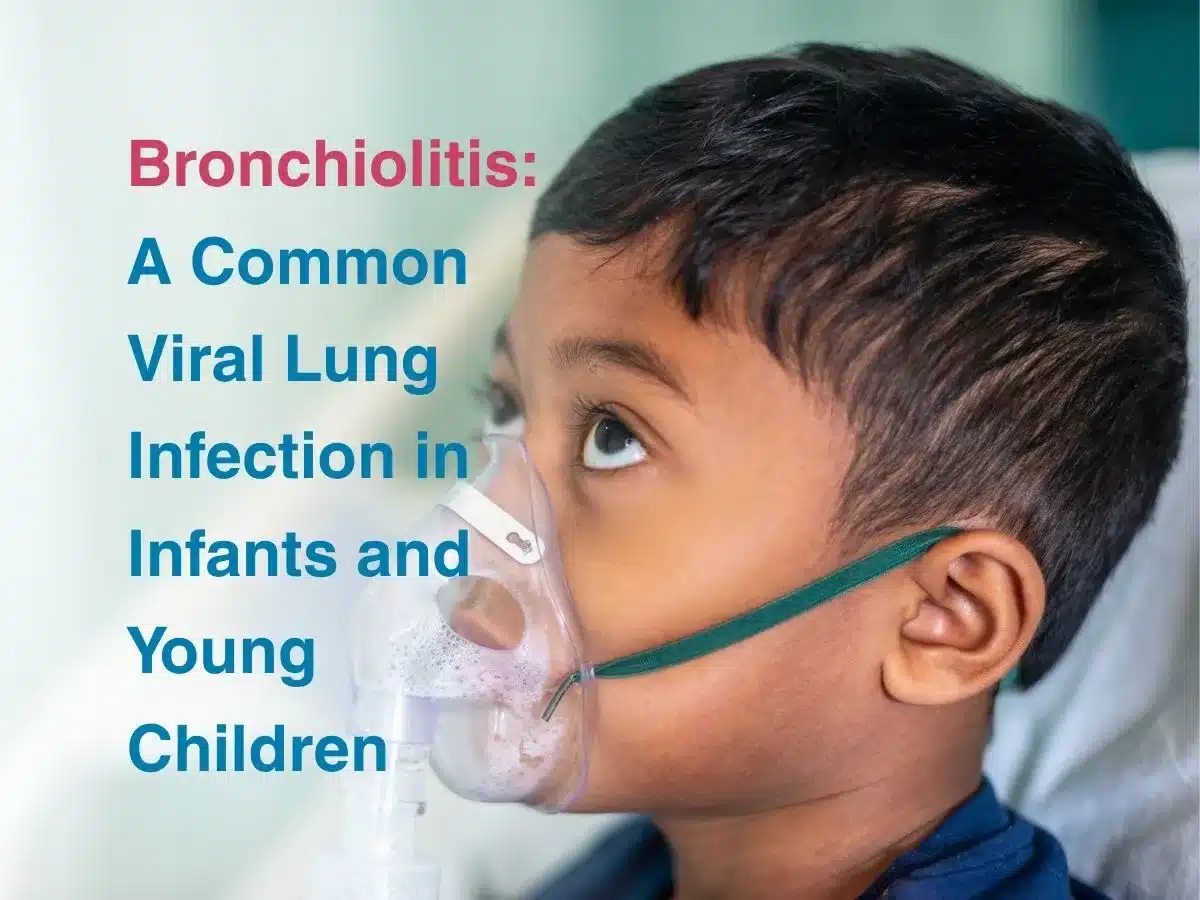
Bronchiolitis is a very common cause for infant lung infection. It normally affects babies and children younger than 2 years of age. Since the bronchioles in the lungs get inflamed, this condition is termed bronchiolitis. This can make it hard for kids to breathe freely. Since it is a viral infection, antibiotics cannot be used to treat it. If you notice your child wheezing, having a fever or finding it hard to breathe, especially in the winter, don’t hesitate to get in touch with a pediatrician at KIMS Sunshine- as we are the best multispeciality hospital in Hyderabad.
Causes for Bronchiolitis in Infants-
Some well known causes include viruses like RSV, influenza, adenovirus, parainfluenza, SARS-Cov-2 or metapneumoviruses respectively, among others.
These viruses are highly contagious and can easily spread via contact with contaminated surfaces, or with exposure to an infected person who may cough or sneeze.
Other bronchiolitis risk factors are – if a baby is born before 37 weeks of pregnancy, presence of some congenital lung or heart condition, having some issue with the immune system and how it functions or going to a daycare or school regularly.
Bronchiolitis Symptoms In Babies-
Early symptoms look just like that of a cold- like a runny nose, light fever below 101 degrees fahrenheit, some coughing, fussing and fatigue.
The other symptoms of a moderate bout of bronchiolitis include-
- Wheezing in infants
- Coughing
- Children may grunt when trying to breathe
- The nostrils may be flared.
Severe bronchiolitis can lead to the following symptoms-
- Not being able to latch and feed along with extreme fatigue
- The chest looks like it is retracting or moving inwards when they try to breathe
- Cyanosis- where the skin of the extremities look blue. This means children are not getting enough oxygen.
- Not peeing, crying or having a very dry mouth can point to dehydration.
When you notice the last bunch of symptoms, call for emergency medical help immediately. Untreated bronchiolitis can lead to complications like pneumonia, asthma or respiratory failure in very severe cases.
Diagnosis of Bronchiolitis-
A detailed physical exam is done to understand your child’s symptoms in greater detail. Blood oxygen level is measured periodically with a pulse oximeter. At times, your doctor may ask to get a swab of the nasal fluid, so that a culture test can be performed on it. Severe symptoms may warrant the use of imaging like chest x-rays.
Treatment for Bronchiolitis-
Children normally tend to get better in a week or so, like when they have the flu. So, you can keep them at home and make sure they stay warm and hydrated. Antipyretics can be used to bring down fevers. Severe cases of bronchiolitis may be treated with antiviral medicines like oseltamivir. IV fluids can be given for dehydration, while oxygen therapy is recommended when blood oxygen saturation levels are low and if children are not able to breathe.
Saline nose drops can help with a stuffy nose. Though most symptoms go away in a week, some children may cough for much longer- almost up to a month.
Conclusion
Bronchiolitis is a viral lung infection that affects very young children and infants. It is very common and can cause symptoms which look very similar to the flu, asthma or other related conditions, where a stuffy nose and not being able to breathe are common signs. It is easily treatable. You should consider talking to an experienced pediatrician, when you notice your child having symptoms. So, call us at KIMS Sunshine today, as we are the best hospital in Hyderabad.
Frequently Asked Questions
What is bronchiolitis in infants?
What are the symptoms of bronchiolitis?
How is bronchiolitis diagnosed?
When should parents take a baby with bronchiolitis to the hospital?
Can bronchiolitis be prevented?